Arts
Falls Church Arts Funding Under Scrutiny: Two Groups May Get City Support Despite Committee's Misgivings
Share this article
Advertisement
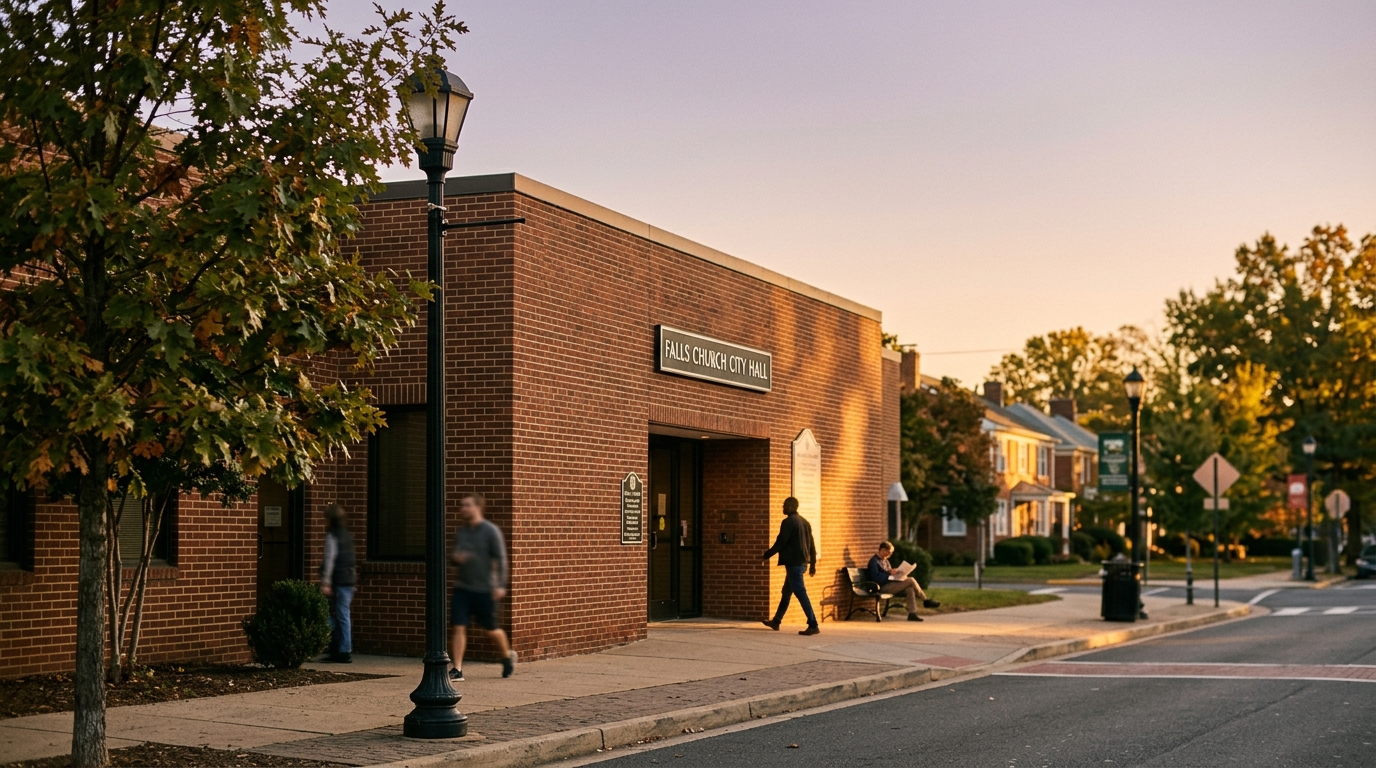
The vibrant arts scene in Falls Church often relies on local support to thrive, but a recent development has cast a spotlight on the city's funding process. Two local arts groups in Falls Church are reportedly on track to receive city funding, even as the city's arts committee has voiced significant reservations about their proposals. This situation highlights the often-complex dynamics between advisory bodies and the ultimate decision-makers in local government. For residents across the Little City, this isn't just about two organizations; it's about the broader vision for arts and culture and how public funds are allocated. It raises questions about the weight of expert recommendations versus other factors influencing city council decisions, and what that means for the future of creative endeavors in Falls Church.
Navigating Local Arts Funding
Cities like Falls Church understand the value that arts and culture bring to community identity and economic vitality. From public murals to local theater productions, these initiatives often receive support through grants or direct funding, typically overseen by a dedicated arts and culture committee. These committees, often composed of local artists, educators, and community members, are tasked with evaluating proposals based on a range of criteria, including artistic merit, community impact, financial viability, and alignment with city goals. The City of Falls Church's official website outlines its various boards and commissions, each playing a crucial advisory role in local governance. When an arts committee issues "misgivings," it signals that, in their expert opinion, certain aspects of a proposal might not meet established benchmarks or could pose potential challenges. These concerns could range from questions about an organization's long-term sustainability to the artistic quality of planned projects, or even the breadth of its reach within the community. In a city where local engagement is key, ensuring public funds support programs that genuinely benefit a wide array of residents is often a primary consideration.The Advisory Role of Committees
Advisory committees like the one in Falls Church serve as a critical filter and source of specialized knowledge for the city council. They delve into the specifics, offering detailed analyses and recommendations that council members, who juggle a multitude of municipal issues, might not have the time or specialized expertise to conduct. Their role is to provide an informed, objective assessment to help guide responsible decision-making. However, these recommendations are, by definition, advisory. The ultimate authority to approve or deny funding rests with the elected city council. This can lead to situations where the council, considering factors beyond artistic evaluation—such as broader community sentiment, political considerations, or the desire to support a diverse range of organizations—may choose to diverge from a committee's advice. This tension is a common feature of local government, where technical expertise meets political will. The Virginia Commission for the Arts, for example, provides statewide guidance and resources, underscoring the importance of structured review processes for arts funding.Local arts organizations are vital threads in the fabric of community life, fostering creativity and drawing visitors.
What This Means for Falls Church Residents
This specific situation in Falls Church directly impacts the city's cultural landscape. If these two groups receive funding despite committee concerns, it could set a precedent for future funding decisions. Residents might wonder if the review process holds the weight it once did, or if other criteria will increasingly take precedence. For the arts organizations themselves, securing funding, even with reservations attached, can be a lifeline, enabling them to continue their work and enrich the community. Conversely, it could spark a deeper conversation about the purpose and scope of the arts committee's role, and whether its recommendations are being adequately considered. This discussion is particularly relevant in the DMV area, where numerous municipalities actively cultivate their arts scenes, often relying on structured processes to ensure equitable and impactful allocation of resources. Understanding how these decisions are made is crucial for anyone invested in the city's cultural future. Organizations like the National Endowment for the Arts often highlight best practices for local arts funding, which emphasize transparency and clear criteria. Ultimately, the decision to fund these groups, despite the committee's misgivings, underscores the multifaceted nature of public policy. It demonstrates that while expert advice is highly valued, it's one piece of a larger puzzle that includes community aspirations, political considerations, and the desire to foster a diverse and thriving cultural environment in Falls Church. Falls Church residents should keep an eye on upcoming city council meetings and public forums, where these types of funding decisions are often discussed. Engaging with local officials and expressing views on arts funding can help shape how the city supports its creative community going forward. The transparency of these processes is key, and residents' active participation ensures that their voices are heard in shaping the cultural heartbeat of the Little City.Advertisement
Explore more on this topic
Related Stories
Arts
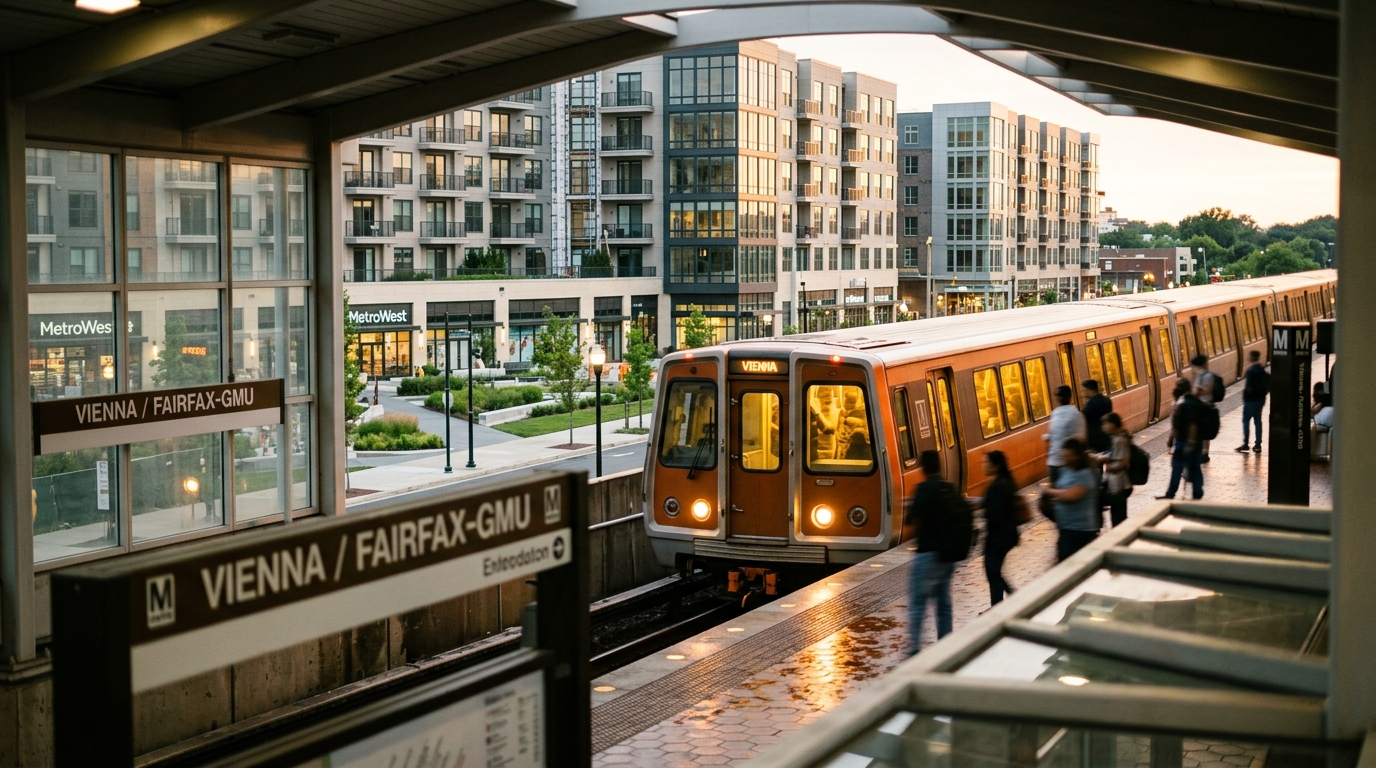
Fairfax County Approves MetroWest Apartment Revisions, Promising More Retail Near Vienna Metro
Fairfax County·Arts
Fairfax County has approved revisions to an apartment building in the MetroWest neighborhood near the Vienna Metro station, a change expected to introduce more retail options to the area and enhance local amenities for residents.
about 1 hour ago4 min read
Arts
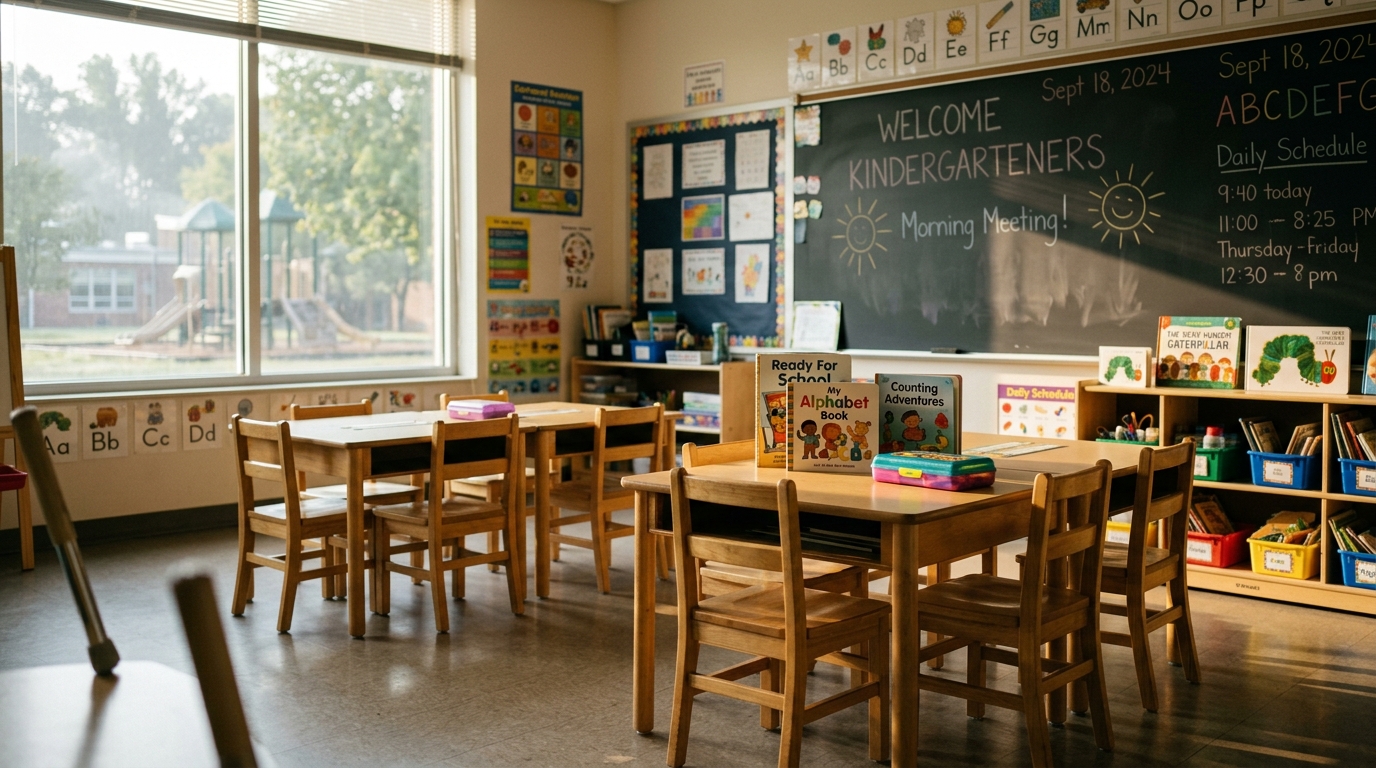
Virginia Sees Progress in Kindergarten Readiness, But Equity Gaps Persist for Underserved Students
Arlington County·Arts
about 5 hours ago3 min read
Arts
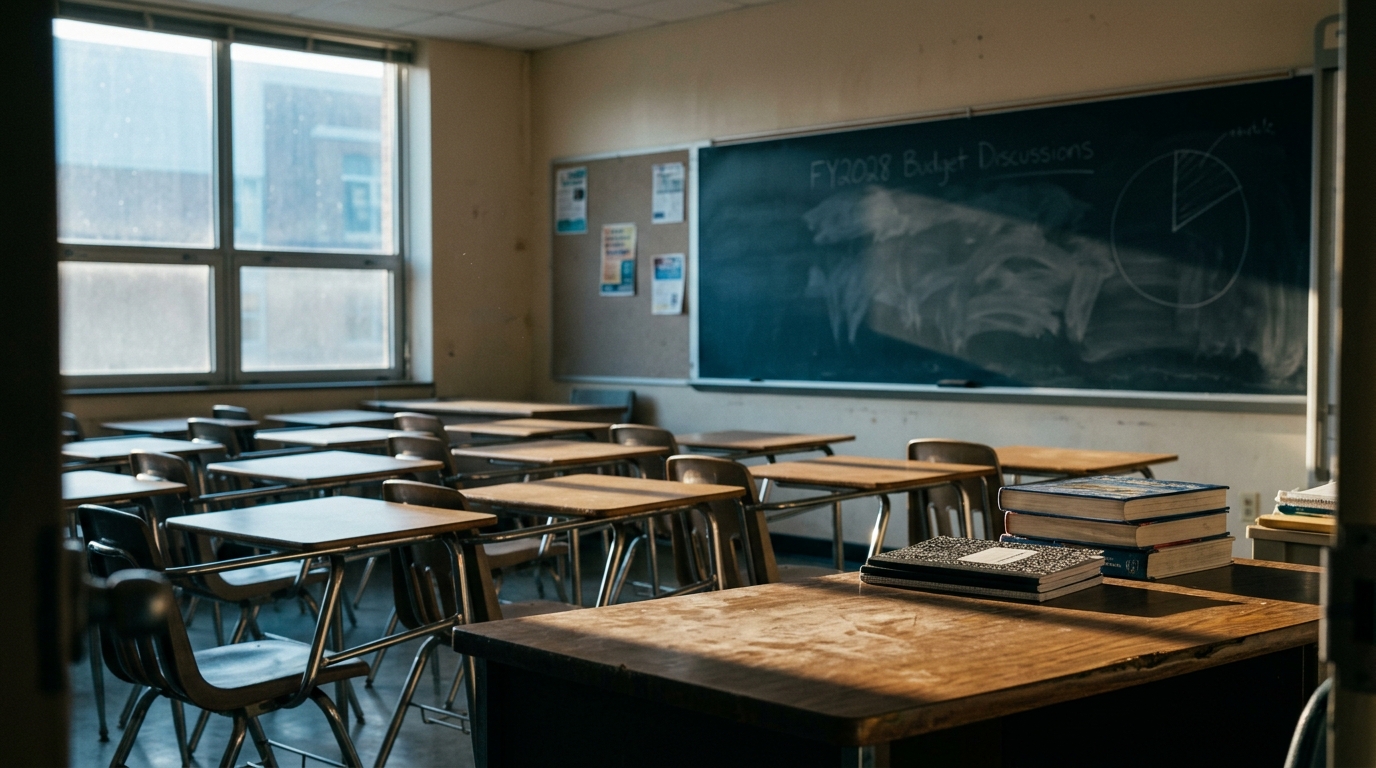
Alexandria City Public Schools Grapples with Projected $17 Million Shortfall for FY2028 Budget
Alexandria·Arts
Alexandria City Public Schools faces a significant $17 million budget shortfall as it begins deliberations for the 2028 fiscal year, prompting concerns about potential impacts on programs, staffing, and services for students and families.
about 19 hours ago6 min read