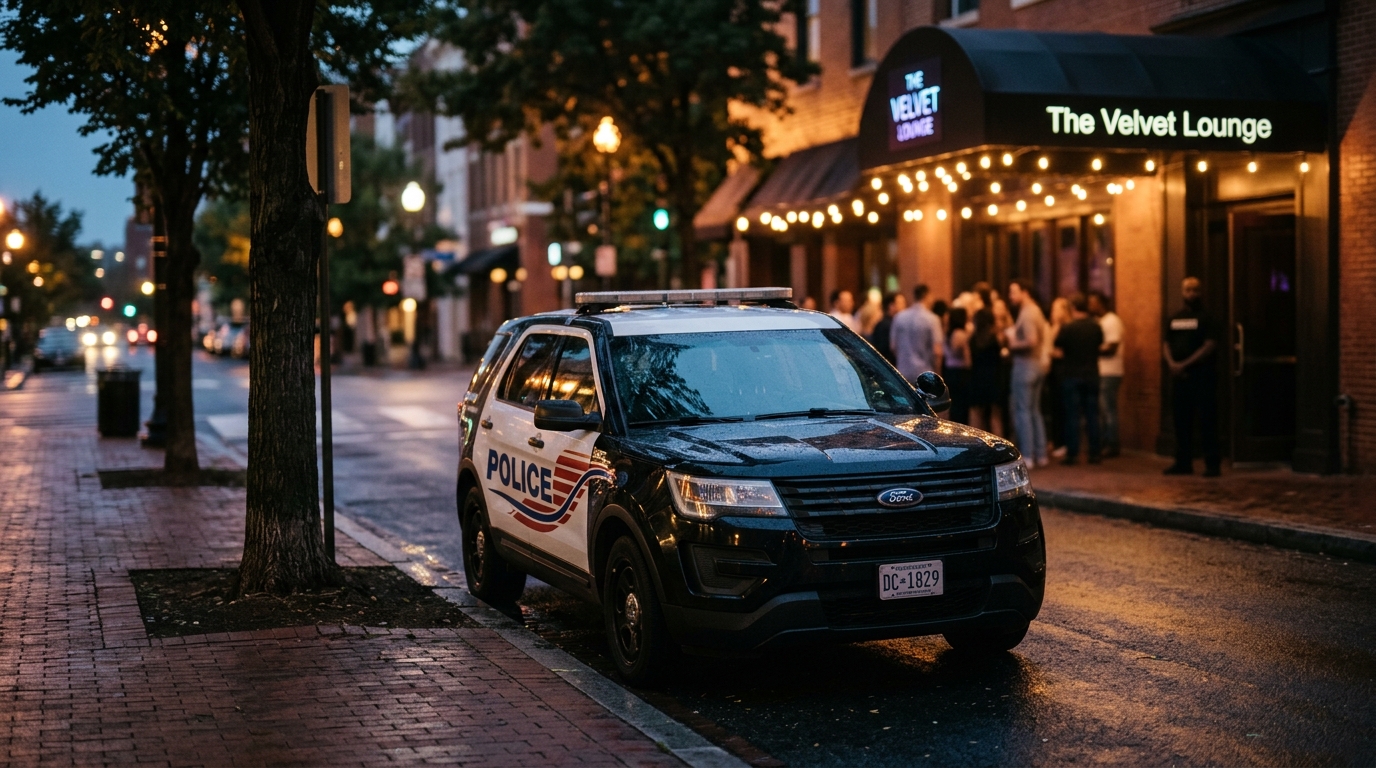
The vibrant hum of a Saturday night in Washington, D.C., can turn to chaos in an instant, a stark reality brought home again with the recent sentencing of a Maryland man for a shooting that left five people injured at a D.C. nightclub. This incident, now culminating in a decade-long prison term, underscores the persistent challenges faced by the region in maintaining public safety within its bustling entertainment zones. A Maryland man was handed a 10-year prison sentence in connection with a shooting at a D.C. nightclub that resulted in injuries to five individuals
[1]. While the specific details of the confrontation leading to the gunfire weren't immediately available, the severity of the outcome and the subsequent judicial response send a clear message about accountability for violence in the District. ## The Weight of Urban Nightlife Safety Nightclubs and entertainment venues are cornerstones of D.C.'s social fabric, drawing thousands of residents and visitors nightly. They offer spaces for celebration, connection, and release. Yet, they also present unique challenges for safety, often characterized by crowded conditions, late hours, and sometimes, the tragic intersection with illicit activities. When violence erupts in such an environment, the ripple effects extend far beyond those directly involved. Patrons, staff, and the wider community are left grappling with fear and a sense of vulnerability. This particular shooting, injuring five people, highlights the significant risk associated with gun violence in public spaces. Each injured individual represents a life irrevocably altered, facing physical recovery, emotional trauma, and the long-term psychological impact of experiencing such a terrifying event. The swift action of the justice system in this case aims to address the immediate harm and deter future acts of violence.
A Maryland man received a 10-year sentence for a shooting at a D.C. nightclub that injured five people.
## Navigating the D.C. Justice System The path from a violent incident to a criminal conviction and sentencing in D.C. is a complex one, involving extensive investigative work by the Metropolitan Police Department (MPD), diligent prosecution by the U.S. Attorney's Office for the District of Columbia, and the careful deliberation of the courts. For incidents like this nightclub shooting, prosecutors often consider a range of factors, including the number of victims, the severity of their injuries, the use of a firearm, and the potential for widespread public panic. Sentencing in these cases isn't just about punishment; it's also about public safety, deterrence, and, to some extent, rehabilitation. A 10-year sentence reflects the serious nature of the crime and the significant harm inflicted. It serves as a strong signal to anyone considering bringing violence into D.C.'s public spaces that severe consequences await. The
U.S. Attorney's Office for the District of Columbia plays a critical role in prosecuting federal and local crimes within the District, working closely with law enforcement to bring offenders to justice. ## Broader Implications for the DMV Community This incident, involving a Maryland resident and a D.C. venue, underscores the interconnectedness of public safety across the entire DMV region. Crime knows no jurisdictional boundaries, and an event in one part of the metro area can have implications for residents in neighboring Maryland and Virginia communities. Many D.C. nightclubs draw patrons from across the region, making safety a shared concern. Local officials and community leaders often engage in discussions about how to best secure popular gathering spots while preserving their vibrant atmosphere. This often involves collaborations between law enforcement agencies, nightclub owners, and community groups to implement strategies such as increased police presence, enhanced security measures at venues, and community-led initiatives to address the root causes of violence. The
Metropolitan Police Department continuously works to enhance safety in entertainment districts through various programs and patrols. ## Victim Support and Healing For the five individuals injured and countless others who witnessed the chaos, the journey to recovery is often long and arduous. Beyond the physical wounds, the emotional and psychological scars can linger for years. Access to robust victim support services is crucial in helping those affected rebuild their lives. These services can include medical care, mental health counseling, legal assistance, and financial aid. Organizations across the DMV are dedicated to supporting victims of gun violence, providing essential resources and advocacy. These groups play a vital role in ensuring that victims and their families receive the care and assistance they need to cope with trauma and navigate the aftermath of such devastating events. ## Moving Forward: What to Watch For The sentencing of the Maryland man marks a significant step in the judicial process for this particular incident. However, the broader conversation about public safety in D.C.'s nightlife districts continues. Residents and visitors alike will be watching to see how city officials, law enforcement, and venue operators continue to evolve their strategies to ensure that D.C. remains a safe and welcoming place for everyone. Expect ongoing discussions regarding nightclub security protocols, community engagement efforts, and regional cooperation on crime prevention. Staying informed and participating in local safety initiatives are crucial steps for DMV residents who want to contribute to a safer environment for all. The commitment to justice, as seen in this sentencing, is a cornerstone of maintaining that safety.
📍 Local Resources
Office of Victim Services and Justice Grants (OVSJG) - Washington, DC
Provides leadership and funding for victim services and criminal justice programs in DC, including support for victims of violent crime.
📍 Location: 441 4th St NW, Washington, DC 20001
🕐 Hours: Mon-Fri 9am-5pm
Maryland Office of Victim Services (OVS)
Assists crime victims in Maryland by providing information, referrals, and support services.
📍 Location: (Various statewide offices)
🕐 Hours: Mon-Fri 8am-5pm
Gun Violence Prevention Resource Center - DC Health
Offers resources and information on gun violence prevention initiatives and support services within the District.
📍 Location: 899 North Capitol Street NE, Washington, DC 20002
🕐 Hours: Mon-Fri 9am-5pm