Federal Judge Rejects Maryland Attorney General's Bid for ICE Records on Baltimore Facility
Share this article
The Attorney General's Pursuit of Transparency
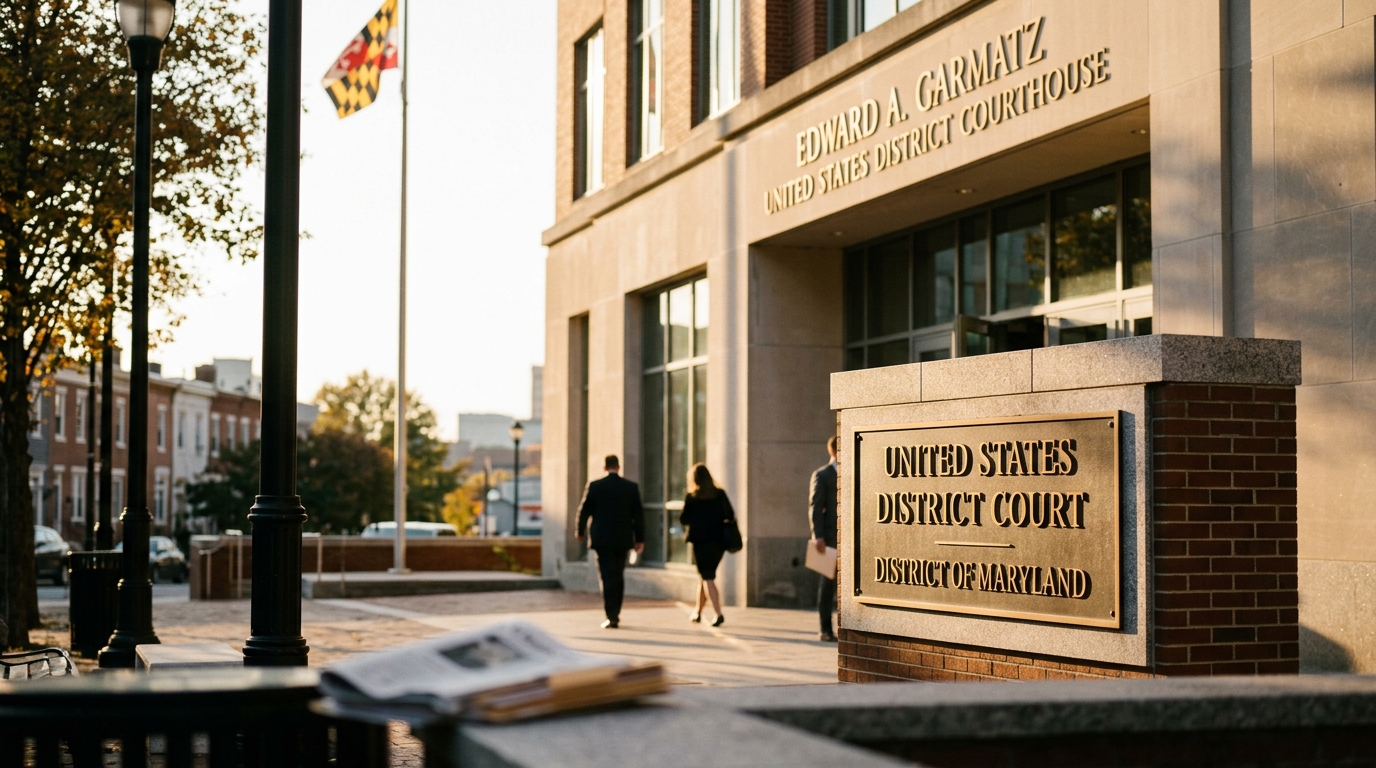
Maryland Attorney General Anthony Brown initiated the legal action, seeking to compel ICE to release documents related to the operations of its Baltimore facility. While the specific details of the records sought were not fully disclosed in initial reports, such requests typically aim to shed light on conditions, policies, and practices within the detention center. The Attorney General's office, as the chief legal representative for the state, often undertakes investigations and legal challenges to ensure the welfare of Marylanders and uphold the state's interests. The pursuit of these records is part of a broader trend where state attorneys general across the country have sought to exert greater oversight over federal immigration enforcement activities. These efforts often stem from concerns about detainee welfare, civil rights, and the impact of federal policies on local communities. For a federal facility operating within Maryland, state officials argue that they have a legitimate interest in understanding its operations, particularly when those operations might affect residents or involve state resources.Understanding the Legal Challenge
The legal battle unfolded in federal court, where the Attorney General's office presented its arguments for why ICE should be compelled to release the requested records. While the precise legal theories put forth by the state were not immediately available, such cases often hinge on interpretations of federal statutes like the Freedom of Information Act (FOIA), state public information laws, or arguments related to state sovereign interests. Federal judges carefully consider these arguments, weighing the state's interest in transparency against federal claims of executive privilege, national security, or the administrative burden of disclosure. The federal court system generally maintains a high bar for compelling federal agencies to release sensitive internal documents, especially when state entities are the petitioners. The judge's decision to reject the bid indicates that the arguments presented by the Maryland Attorney General's office did not meet the necessary legal threshold for intervention in this specific instance. The ruling emphasizes the intricate balance of power between state and federal governments, particularly when states attempt to probe the inner workings of federal agencies operating within their borders. It highlights the jurisdictional challenges that arise when state officials seek to hold federal entities accountable."Our office remains committed to ensuring transparency and accountability from all entities operating within Maryland, especially those entrusted with the care of individuals," — Maryland Attorney General Anthony Brown (Official Statement, Maryland Attorney General's Office)
Implications for Transparency and Oversight
The judge's rejection of the Attorney General's request has immediate implications for government transparency regarding the Baltimore ICE facility. Without access to these records, the public and state officials will have a more limited view into the facility's operations. This can make it harder to assess conditions, identify potential issues, or advocate for policy changes. For advocates of immigrant rights and transparency, the ruling is a disappointment. They often rely on such legal challenges to unearth information that might otherwise remain hidden from public view. The lack of access to these records could make it more difficult for organizations to monitor the treatment of detainees or to understand the impact of ICE policies on families and communities in the DMV. Conversely, federal agencies like ICE often argue that broad disclosure requests can compromise operational security, privacy, or ongoing investigations. They may also contend that they are subject to federal oversight mechanisms and that state-level intervention is unnecessary or legally inappropriate. The judge's decision, while specific to the legal arguments presented in this case, implicitly acknowledges some of these federal concerns.The Broader Context for Maryland Residents
This legal skirmish, though focused on a single detention facility, has a ripple effect for residents across Maryland, including those living and working in the DMV. The Maryland Attorney General's office is the state's primary legal advocate, and its efforts to ensure accountability from *any* entity operating within the state are watched closely. When a federal court curtails such an effort, it raises questions about the avenues available for state oversight of federal actions that directly touch Maryland communities. The presence of federal facilities, particularly those involved in sensitive areas like immigration enforcement, within Maryland's borders means that their operations inevitably intersect with the lives of the state's residents. Whether it's through the families of detainees, the local economy, or the broader social fabric, these facilities are not isolated. The state's attempt to gain transparency is an assertion of its role in protecting its citizens and maintaining a degree of insight into activities occurring on its soil. This ruling, therefore, affects the ongoing dialogue about state sovereignty and federal power in a region densely populated by federal agencies.What's Next for Oversight and Advocacy?
The rejection of this bid doesn't necessarily mean the end of efforts to gain transparency into the Baltimore ICE facility. The Attorney General's office could explore alternative legal strategies, such as appealing the decision or pursuing different avenues for information gathering. Legislative solutions at the state or federal level could also be considered, though these pathways are often more time-consuming and politically challenging. Advocacy groups and civil liberties organizations will likely continue their independent work to monitor conditions and gather information through other means, including direct contact with detainees and their families, or through federal FOIA requests. The ruling serves as a reminder that the path to government transparency, especially concerning federal immigration enforcement, is often fraught with legal and jurisdictional complexities. For DMV residents, this development underscores the continuous push and pull between state and federal authority, and the ongoing importance of civic engagement in advocating for the kind of government oversight and transparency they expect. ---Explore more on this topic
Related Stories
D.C. Council Member Trayon White Seeks Acquittal in Federal Bribery Case After Mistrial
A federal judge will decide whether to acquit D.C. Council member Trayon White in his bribery case after a mistrial, or allow prosecutors to pursue a retrial. The Ward 8 representative's legal team argues for dismissal, while prosecutors point to recorded evidence.

Arlington's Missing Middle Zoning Fight Heads to Virginia Supreme Court
Arlington's controversial Missing Middle zoning ordinance is heading to the Virginia Supreme Court this month, marking a critical moment in the ongoing legal battle over the county's housing policy. The court will hear arguments challenging the county's authority to allow multi-unit homes in areas previously reserved for single-family residences.

Frederick Sheriff Regrets Machine Gun Permit Signatures, Court Documents Show
Frederick County's top law enforcement official has expressed regret in court documents over approving letters that allowed a local gun shop owner to acquire machine guns. This development highlights the intricate federal process for restricted firearms and the critical role of local sheriffs.