Maryland Boosts Unclaimed Property Program, Promising Faster Returns to Residents
Share this article
What Exactly is Unclaimed Property?
Unclaimed property refers to financial assets that have been dormant or unclaimed for a period of time, typically three to five years. Businesses and financial institutions are required by law to turn these assets over to the state when they can't locate the owner. This includes a wide array of items: * Checking and savings accounts * Contents of safe deposit boxes * Uncashed checks (payroll, vendor, dividend) * Insurance policy proceeds * Stocks, bonds, and mutual funds * Utility security deposits * Customer overpayments It's a common misconception that unclaimed property is only for the wealthy or for those who've moved frequently. In reality, anyone could have unclaimed funds. A quick search might reveal an old refund from a long-forgotten service or a small inheritance you never knew about. Across the nation, billions in unclaimed property sit with state treasuries, waiting for owners to come forward.Maryland's Commitment to Reuniting Owners with Their Money
The Maryland State Treasurer's Office is the custodian for unclaimed property in the state. Their mission is to safeguard these assets and return them to their owners. The news of an "updated program" suggests a renewed focus and potentially new technological or procedural improvements designed to accelerate this process (WTOP). While specific details of the update weren't immediately available, the emphasis on "faster" and "more money" points to enhanced efficiency in processing claims and potentially more proactive outreach to potential owners. This kind of program update is crucial for Maryland residents. When the process is faster, people get their money when they need it most, whether it's for unexpected bills, savings, or simply a little extra breathing room. Making it easier for "more Marylanders" means the state is likely improving its search tools, public awareness campaigns, or even simplifying the claim forms themselves. The goal is to reduce barriers and ensure that everyone, regardless of their tech savviness or free time, can easily check for and retrieve their funds.How Residents Can Search for Their Unclaimed Property
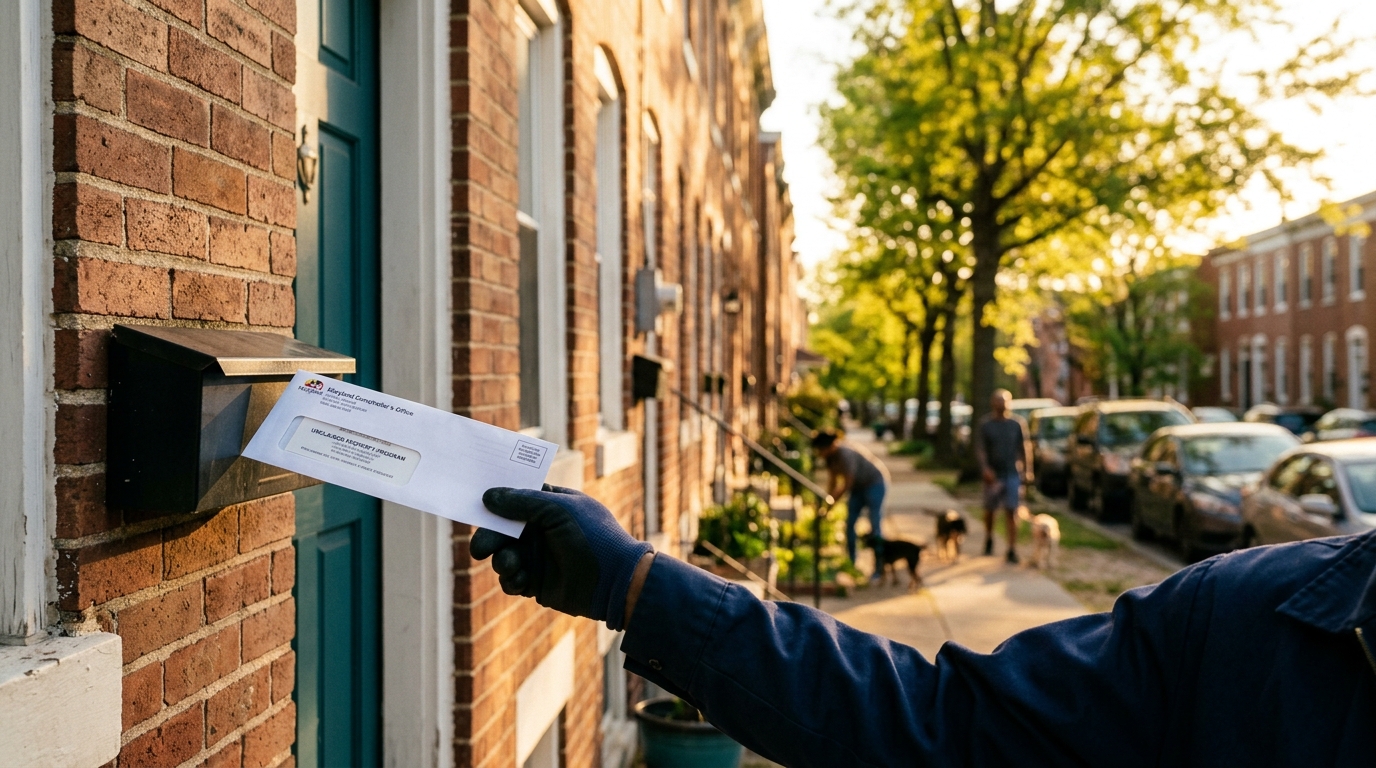
The first step for any Maryland resident is to check the state's official database. This service is free and typically only requires a name search. Many people are surprised to find out they have money waiting for them, sometimes from decades ago. It's a quick check that could yield unexpected returns. The Maryland Comptroller's Office, which often works in tandem with the Treasurer's Office on financial matters, maintains publicly accessible records for these funds. A robust online portal allows individuals and businesses to search for their names and initiate a claim. Once a potential match is found, the process usually involves submitting proof of identity and ownership, which the updated program aims to make even more straightforward.Economic and Community Benefits
Beyond the individual benefit, returning unclaimed property has a positive ripple effect throughout Maryland's communities. When residents receive these funds, they often spend them locally, boosting small businesses and contributing to the state's economy. It's a direct infusion of capital back into the hands of consumers, which can be particularly impactful during challenging economic times. Moreover, a more efficient system builds greater trust between citizens and their government. Knowing that the state is actively working to return forgotten funds, rather than simply holding onto them, reinforces a sense of responsibility and service. This commitment helps ensure that financial assets don't remain in limbo indefinitely but are instead recycled back into the lives and livelihoods of Marylanders. For those living paycheck to paycheck, even a small sum can make a significant difference, helping them cover essential expenses or build a modest emergency fund. Maryland's commitment to improving its unclaimed property program is a win for everyone. It underscores the state's dedication to consumer protection and financial transparency, ensuring that what's rightfully yours doesn't stay hidden forever. So, if you've ever lived, worked, or done business in Maryland, it's always worth taking a moment to see if there's some forgotten treasure waiting for you. Keep an eye on official state announcements for more details on the program's enhancements and how they might further simplify your search.📍 Local Resources
Official state portal to search for and claim forgotten financial assets like bank accounts, uncashed checks, and insurance proceeds.
While not directly for unclaimed property, DHS offers various financial assistance programs that can help residents facing economic hardship, complementing any found funds.
Provides resources and assistance for Maryland consumers regarding financial issues, scams, and consumer rights, including issues related to claiming funds.
Explore more on this topic
Related Stories

Arlington's Child Safety Fun Fair & Car Seat Check: A Community Focus on Protecting Our Youngest
Arlington is set to host a Child Safety Fun Fair and Car Seat Check, aiming to equip parents and caregivers with vital safety knowledge and resources. This community event underscores the ongoing commitment to child welfare in the DMV, focusing on critical areas like proper car seat installation and general child safety education.

MCPS Leaders Mum on High School Principal's Suspension, Leaving Community in the Dark
A Montgomery County high school principal has been suspended, but MCPS leaders are staying silent on the matter, leaving the community with many unanswered questions and concerns about the school's leadership.

George A. Hopkins Steps Up to Lead Robert W. Deutsch Foundation in Baltimore
George A. Hopkins, a seasoned community leader and current Director of Community Innovations, has been named the new president and CEO of the Robert W. Deutsch Foundation in Baltimore. He will take over in January 2027, succeeding long-time leader Jane Brown, who will transition to board chair.