Arlington's Missing Middle Zoning Fight Heads to Virginia Supreme Court
Share this article
The Heart of the Dispute
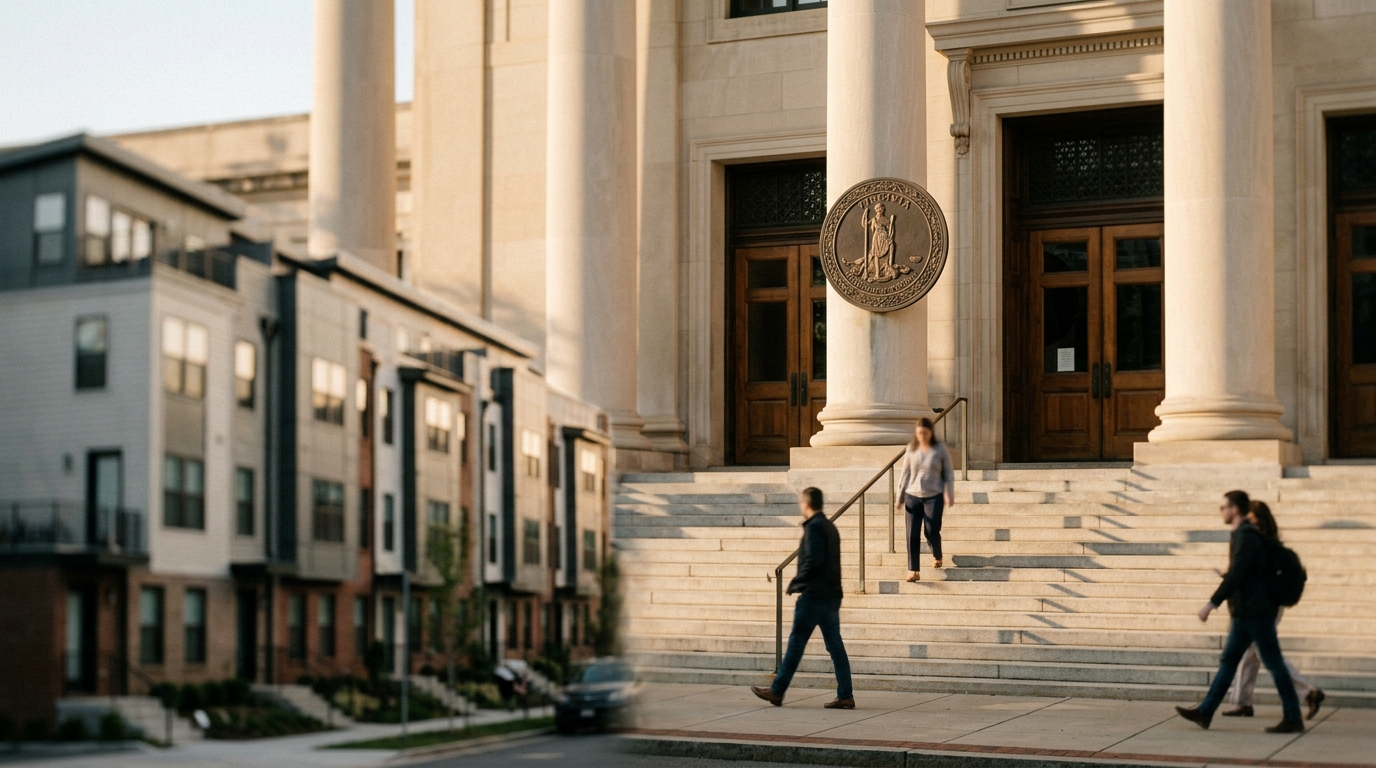
The core of the legal challenge stems from residents who argue that the county overstepped its authority and failed to follow proper procedures when enacting the zoning changes. These residents, organized under the "Arlingtonians for Upzoning Transparency and Accountability" (AUTA) group, filed a lawsuit shortly after the ordinance was approved. They contend that the county's actions violate state law and local comprehensive plans. The term "Missing Middle" refers to a range of housing types — such as duplexes, townhouses, and small apartment buildings — that fit between single-family homes and large apartment complexes. Proponents of the ordinance, including the Arlington County Board, argue it's a crucial step to address the severe housing shortage and rising costs in the region. They believe allowing more diverse housing options can create more affordable choices for residents and foster more walkable, transit-friendly communities.A Legal Journey to the Top Court
This specific piece of litigation has been working its way through the legal system for over a year. After a circuit court initially sided with the plaintiffs, ruling against the county's zoning amendment, Arlington County appealed the decision. Now, the case has reached the Virginia Supreme Court, which will hear oral arguments this month Virginia Supreme Court website. The Supreme Court's decision will have significant implications not just for Arlington County, but potentially for other jurisdictions across Virginia grappling with similar housing challenges. A ruling that upholds the county's actions could embolden other localities to pursue similar density-increasing measures. Conversely, a decision in favor of the plaintiffs could set a precedent limiting local governments' flexibility in addressing housing supply through zoning reforms. For Arlington residents, the outcome of this Supreme Court hearing will directly impact the future landscape of their neighborhoods. If the county prevails, the Missing Middle ordinance will continue to allow for the development of duplexes, townhouses, and other multi-unit structures in areas previously reserved for single-family homes. This could mean more diverse housing options, but also changes to neighborhood density and aesthetics that some residents oppose. If the court sides with the plaintiffs, it could halt or significantly alter the implementation of the ordinance, potentially sending the county back to the drawing board on its housing strategy.What's Next for Arlington Housing
Even with the Supreme Court hearing, the legal saga surrounding Missing Middle isn't likely to conclude entirely. The source indicates that while this specific piece of litigation is reaching its "final leg," the "larger legal fight is far from over" [1]. This suggests there may be other lawsuits or legal challenges pending or anticipated, keeping the future of housing development in Arlington under intense scrutiny. The county's commitment to addressing housing affordability through increased density remains strong, as evidenced by its continued defense of the ordinance. Regardless of the Supreme Court's immediate decision, local officials and community groups will need to continue to engage in dialogue about how best to balance development needs with community concerns. Residents interested in the specifics of Arlington County's zoning ordinance and its housing plans can review information available on the Arlington County Department of Community Planning, Housing and Development website. This legal battle highlights the complex interplay between local governance, housing policy, and community values in the evolving DMV landscape. What the Supreme Court decides this month could set a new course for how Arlington — and possibly other Virginia localities — tackles its housing future.Explore more on this topic
Related Stories
Frederick Sheriff Regrets Machine Gun Permit Signatures, Court Documents Show
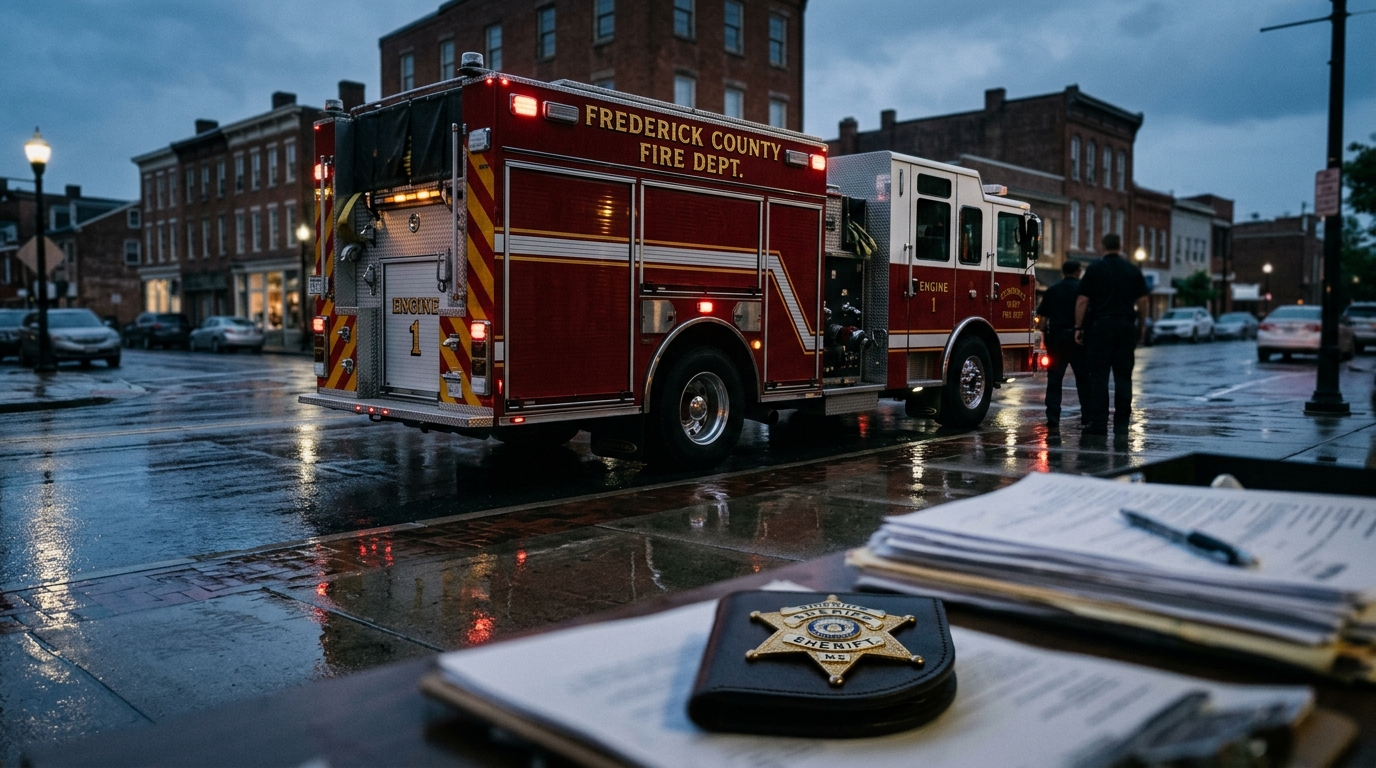
Frederick County's top law enforcement official has expressed regret in court documents over approving letters that allowed a local gun shop owner to acquire machine guns. This development highlights the intricate federal process for restricted firearms and the critical role of local sheriffs.
Witness Testimony, Inconsistent Statements Take Center Stage in Manassas Park Murder Trial
A murder trial in Manassas Park centers on dramatic witness testimony, including a vivid description of the alleged crime scene where "the room lit up," and the defendant Naresh Bhatt's reportedly inconsistent statements.
House Oversight Chair Targets D.C. Courts, Alleges 'Activist' Jury Nullification Efforts
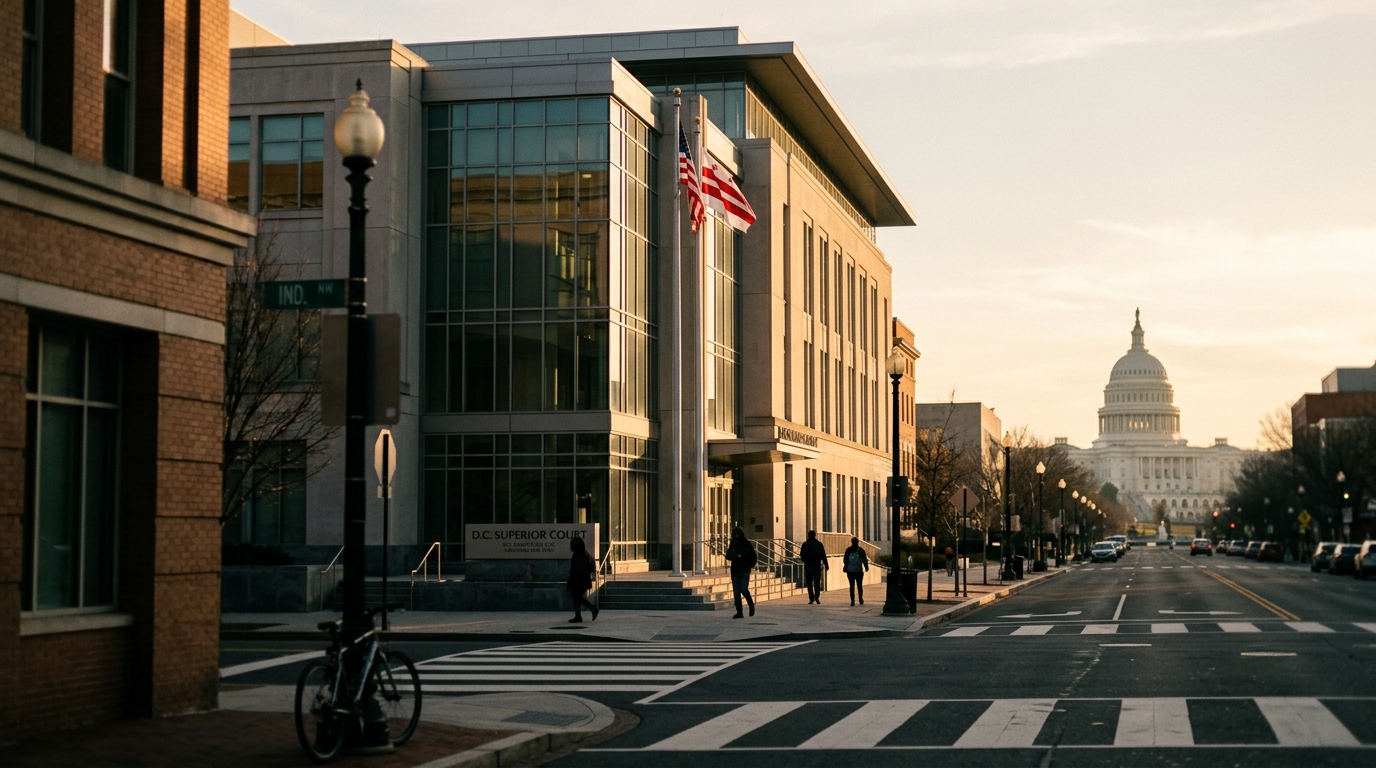
The House Oversight Committee, led by Chair James Comer, has launched an investigation into alleged "politicized jury nullification initiatives by left-wing activist groups" within D.C. courts, raising concerns about federal scrutiny over the capital's judicial system and local autonomy.