Howard County Murder Suspect Arrested in India After Months-Long International Manhunt
Share this article
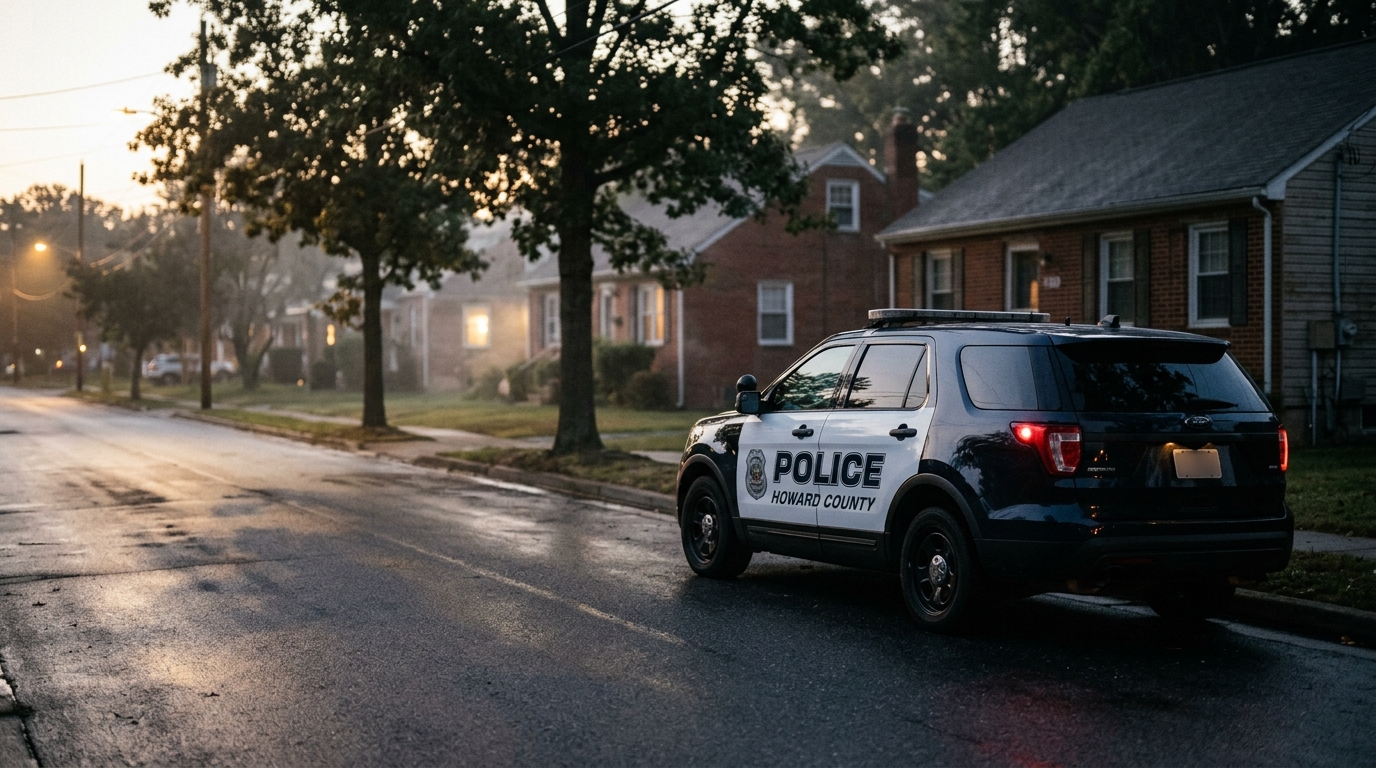
The Disappearance and Escalating Investigation
The initial missing person report, filed by the suspect himself, launched what appeared to be a standard search operation in Howard County. However, as WBAL News Radio reported, investigators from the Howard County Police Department soon began to piece together a different narrative. Details emerged during the preliminary stages of the investigation that raised red flags, shifting the focus from a simple disappearance to a more serious criminal inquiry. Police diligently processed potential crime scenes, interviewed witnesses, and gathered forensic evidence, building a case that ultimately led them to suspect the individual who had first reported the victim missing. As the investigation progressed, evidence accumulated, leading Howard County detectives to secure an arrest warrant for the suspect on murder charges. However, by this point, authorities discovered the suspect had already left the country, making the pursuit considerably more complicated. The timeline from the initial missing person report to the suspect's arrest in India spanned several months, a period of intense investigative work and international coordination.An International Pursuit and Collaborative Effort
The flight of a murder suspect across international borders immediately elevates the complexity of the case. Howard County Police could no longer act alone; their efforts required the assistance of federal agencies with international reach. This typically involves collaboration with organizations like the U.S. Marshals Service, which specializes in tracking and apprehending fugitives, and potentially the FBI, particularly if there were any federal elements to the crime or flight. Crucially, international law enforcement bodies such as Interpol play a vital role in these situations. Interpol issues "Red Notices," which are requests to law enforcement worldwide to locate and provisionally arrest a person pending extradition. The arrest in India was a direct result of this intricate network of cooperation. Indian authorities, acting on intelligence and formal requests from U.S. law enforcement, located and apprehended the suspect. This kind of international operation is not merely about finding a person; it involves meticulous planning, intelligence sharing, and adherence to the legal frameworks of both nations. The success of such an arrest speaks volumes about the diplomatic ties and mutual legal assistance treaties between the United States and India, which facilitate the pursuit of justice across sovereign borders.The Complex Path to Extradition
While the arrest is a significant victory for law enforcement, it's often just the first step in a lengthy legal process when a suspect is apprehended abroad. The next critical phase is extradition—the formal process by which a person is transferred from one country to another for prosecution. Extradition between the United States and India is governed by a bilateral treaty, which outlines the specific offenses for which extradition can be granted and the procedural requirements both countries must follow. The process typically involves a formal request from the U.S. government to the Indian government, providing detailed documentation of the charges and the evidence against the suspect. The Indian legal system will then review this request, and the suspect will have the right to challenge their extradition in Indian courts. This legal battle can be protracted, involving multiple appeals and hearings, as both sides argue the merits of the case and the legality of the extradition request. The U.S. Department of Justice's Office of International Affairs often spearheads these efforts on the American side, working closely with federal prosecutors and local law enforcement. Once the Indian courts approve the extradition, and any appeals are exhausted, the suspect would then be transferred into the custody of U.S. authorities, likely U.S. Marshals, for transport back to Maryland to face trial in Howard County. This entire process can take many months, or even years, depending on the legal challenges mounted by the defense.What's Next for Howard County Residents
For the residents of Howard County, this arrest means that the suspect in a deeply troubling murder case is now in custody, moving the case closer to resolution. The Howard County State's Attorney's Office will be responsible for prosecuting the case once the suspect is returned to Maryland. They will present the evidence gathered by the Howard County Police Department to a grand jury for indictment, followed by pretrial motions and eventually a trial. The community can expect continued updates from local authorities as the extradition process unfolds and the legal proceedings commence in Maryland. While the immediate danger associated with a fugitive is gone, the emotional toll of such a crime can linger. The justice system will now take its course, aiming to provide accountability for the victim and her family.📍 Local Resources
Provides support, advocacy, and information to victims and witnesses of crimes in Howard County, guiding them through the criminal justice process.
For non-emergency police assistance, general inquiries, or to report suspicious activity.
Offers legal services, advocacy, and support to crime victims throughout Maryland, including Howard County.
Explore more on this topic
Related Stories

D.C. Secures $8 Million Settlement from Amazon Over Delivery Disparities in Majority-Black Neighborhoods
Washington, D.C. has reached an $8 million settlement with Amazon, resolving a lawsuit that accused the e-commerce giant of "deceptive conduct" regarding deliveries to the city's majority-Black neighborhoods. This agreement highlights a significant win for consumer protection and equitable service access for all D.C. residents.
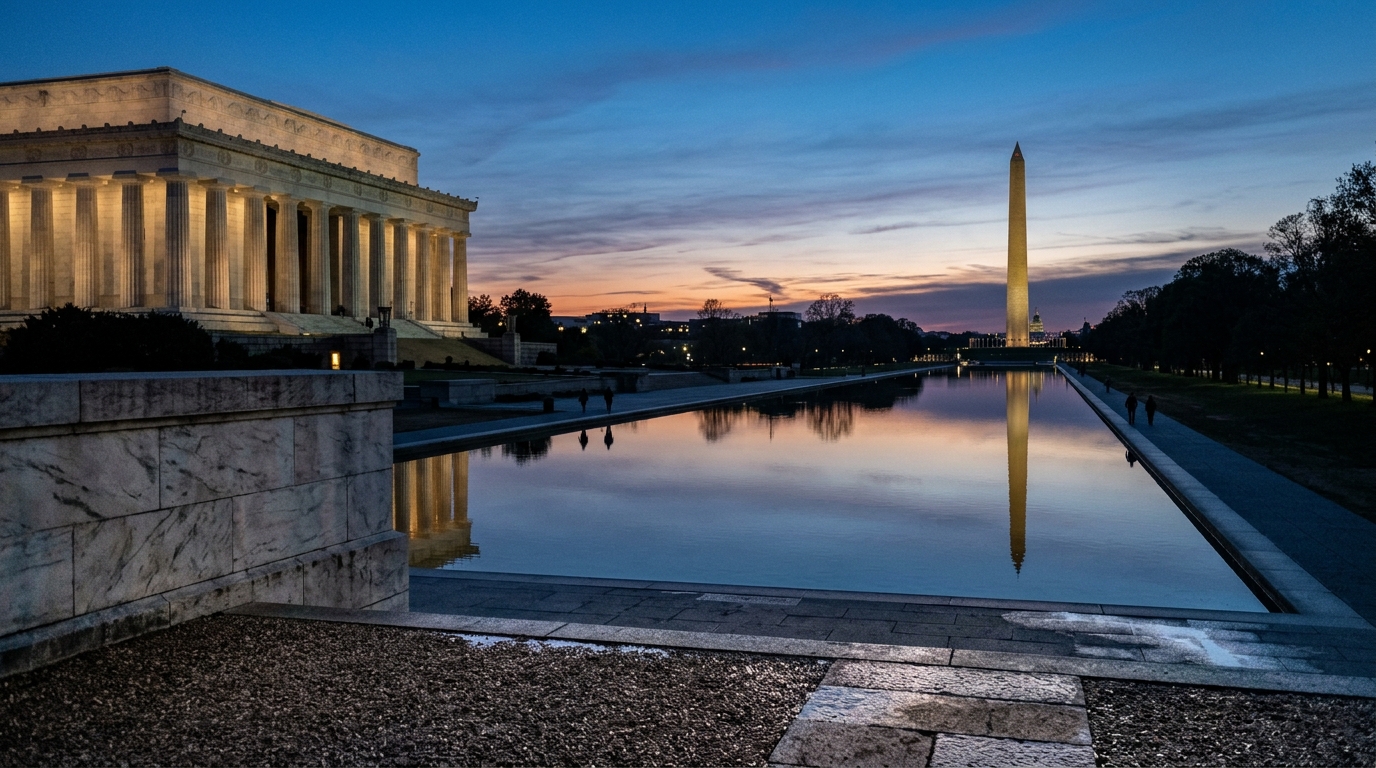
DC Judge Permanently Dismisses Vandalism Case Against Ex-Olympian at Lincoln Memorial Reflecting Pool
A DC judge has permanently dismissed the case against an ex-Olympian charged with vandalizing the iconic Lincoln Memorial Reflecting Pool, bringing a definitive end to the legal proceedings surrounding the incident at the national landmark.

Critical Hearing Postponed in Archdiocese of Baltimore Bankruptcy Case
A critical hearing in the Archdiocese of Baltimore's bankruptcy case, tied to child sexual abuse claims, has been postponed, delaying resolution for many survivors across the DMV.