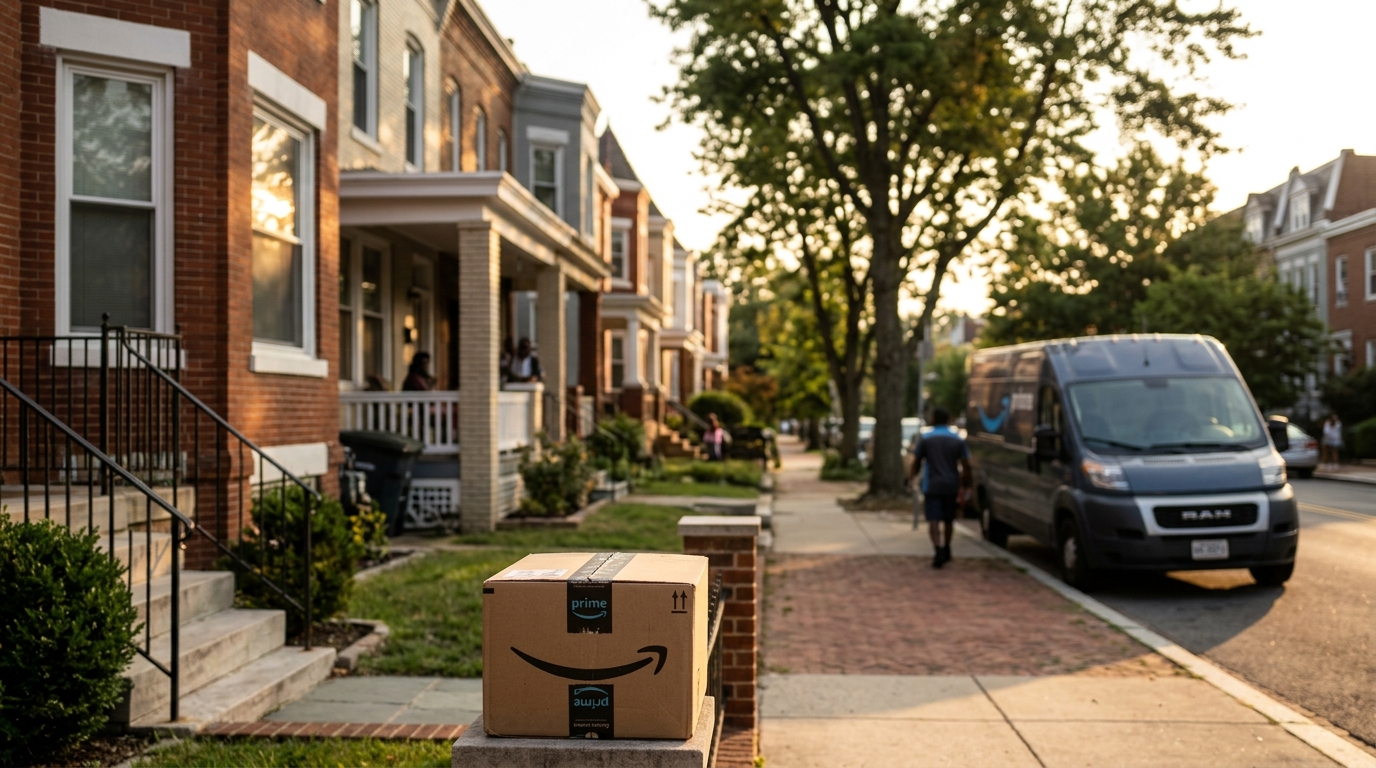
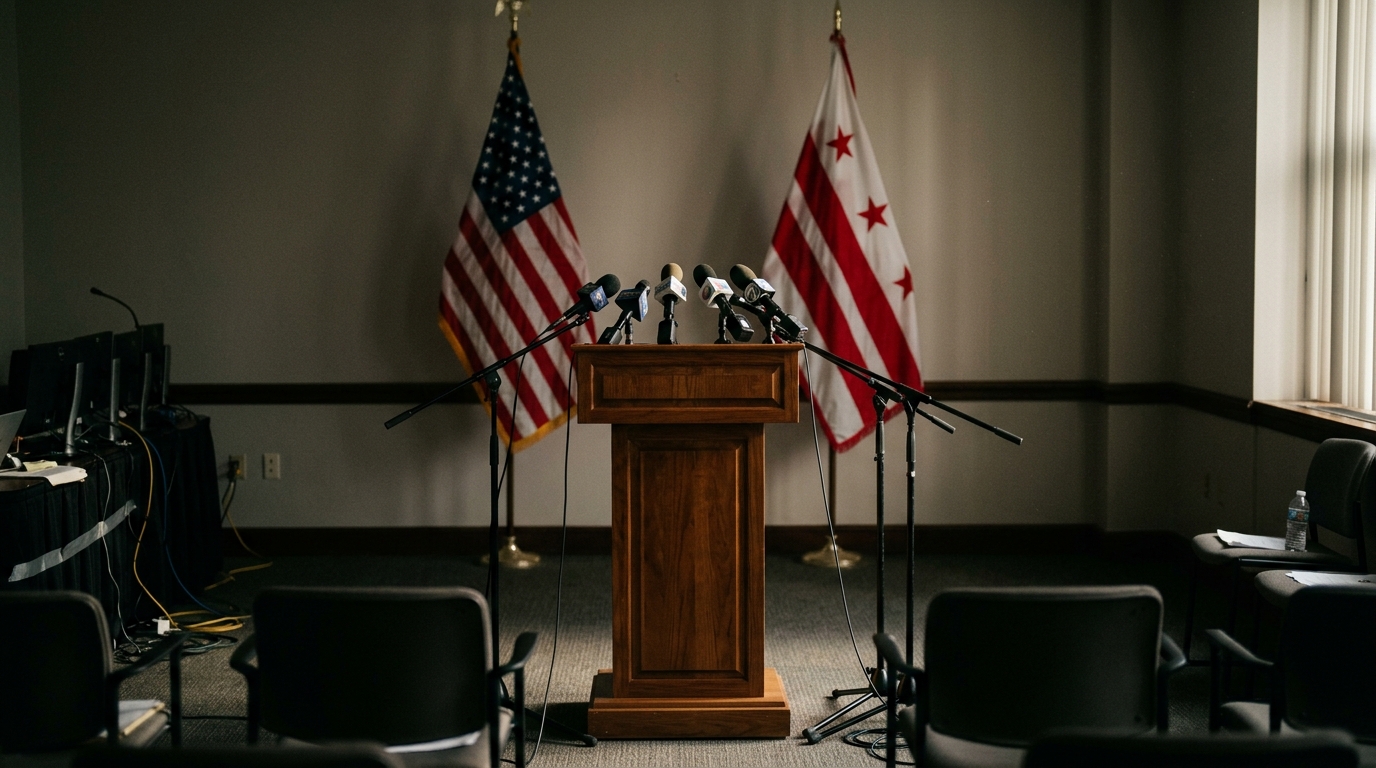
For many Washingtonians, especially those relying on online shopping for everything from groceries to household essentials, the promise of quick, reliable delivery is a cornerstone of modern life. But what happens when that promise feels unevenly kept, particularly in certain neighborhoods? That’s precisely the issue at the heart of a significant legal battle that has now concluded with an $8 million settlement between the District of Columbia and e-commerce giant Amazon. The Office of the Attorney General for the District of Columbia announced this week that it has reached an $8 million settlement with Amazon, resolving a lawsuit filed in 2024. The lawsuit had accused the online retailer of engaging in "deceptive conduct" regarding its delivery services to majority-Black neighborhoods across the city. This agreement marks a pivotal moment for consumer protection and equity in service delivery within the District. ### A Lawsuit Rooted in Equitable Service The District's Attorney General initiated legal action against Amazon in 2024, pointing to alleged practices that disproportionately affected residents in predominantly Black communities. While the specific details of the "deceptive conduct" weren't fully elaborated in the announcement, such allegations typically revolve around discrepancies in delivery times, reliability, or service quality compared to other areas. For many residents, particularly those in Wards 7 and 8, receiving packages can sometimes be a frustrating ordeal, marked by delays, missed deliveries, or even the outright refusal of some services to deliver to their addresses. This settlement suggests that the Attorney General's office found sufficient grounds to pursue these claims, asserting that Amazon’s practices created an unfair disadvantage for a significant portion of the city's population. The core of the District's argument, as implied by the term "deceptive conduct," centered on the idea that Amazon was not transparent about potential service disparities or that its stated delivery promises were not consistently met across all neighborhoods. This could mean anything from advertised "two-day delivery" actually taking much longer in some areas, to services like Amazon Fresh or Prime Now having more limited availability or less reliable windows in specific parts of the city. Such practices, whether intentional or systemic, can have a profound impact on residents who depend on these services.
"The attorney general’s office... sued the online retailer in 2024, alleging ‘deceptive conduct.’" — Office of the Attorney General for the District of Columbia (The Washington Post)
### The Impact on D.C. Residents For residents in majority-Black neighborhoods, the implications of unreliable or disparate delivery services extend beyond mere inconvenience. Access to goods, particularly for those with limited mobility, without personal transportation, or living in areas with fewer brick-and-mortar retail options, can be critical. Online shopping isn't just about luxury; it's often a necessity for accessing groceries, medications, school supplies, and essential household items. When these services fall short, it can exacerbate existing inequalities and create significant barriers to daily life.
The $8 million settlement highlights the District's commitment to ensuring equitable service access for all residents, regardless of their neighborhood.
This settlement sends a clear message that the District is actively monitoring how large corporations serve all its communities. It underscores the importance of equitable access to essential services in an increasingly digital economy. D.C. has a long history of grappling with issues of racial equity, and this lawsuit fits into a broader effort to address systemic disparities, whether in housing, education, or, in this case, consumer services. The Attorney General's office has often positioned itself as a champion for residents, particularly those who might be vulnerable to predatory or discriminatory practices. For more information on the office's consumer protection efforts, you can visit the D.C. Office of the Attorney General website. ### What the Settlement Means for Amazon and the Future An $8 million settlement is a substantial sum, reflecting the seriousness with which the District's Attorney General views these allegations. While Amazon has not publicly detailed any specific changes to its operations as a result of the settlement, such agreements typically include provisions for improved monitoring, enhanced transparency, or revised delivery protocols to prevent similar issues from arising in the future. For a company like Amazon, whose business model relies heavily on logistics and customer trust, maintaining a reputation for equitable service is paramount. The settlement also serves as a precedent, signaling to other large online retailers that D.C. will hold them accountable for their service quality across all its neighborhoods. This case also highlights the evolving role of municipal governments in regulating digital marketplaces. As more of our commerce shifts online, cities are increasingly stepping in to ensure that residents are protected from discriminatory practices and that market leaders uphold their promises to all consumers. The District's Department of Consumer and Regulatory Affairs also plays a vital role in protecting residents from unfair business practices, working in tandem with the AG's office. ### Looking Ahead: What D.C. Residents Should Watch For This settlement is a victory for consumer rights and equitable service in Washington, D.C. Residents, particularly those in communities historically underserved by delivery services, should remain vigilant about their experiences. If you continue to encounter consistent issues with delivery reliability or disparities based on your location within the District, it's important to document these experiences and report them to the appropriate authorities. The $8 million will likely be used for purposes that benefit D.C. residents, potentially through consumer relief, community programs, or further enforcement actions related to consumer protection. Details on the specific allocation of these funds will likely be announced by the Attorney General's office in the coming months. This settlement serves as a reminder that residents have a right to expect fair and consistent service from all businesses, regardless of where they live in the city. The District's commitment to upholding these rights is clear, and residents should continue to advocate for themselves and their communities.
📍 Local Resources
D.C. Office of the Attorney General - Consumer Protection
Investigates and prosecutes violations of consumer protection laws, including deceptive trade practices.
📍 Location: 1100 4th Street SW, Washington, DC 20024
🕐 Hours: Mon-Fri 8:30am-4:30pm
This settlement serves as a powerful reminder that even the largest companies aren't above scrutiny when it comes to fair dealings. For D.C. residents, it means greater accountability for delivery services and a strengthened commitment from city officials to fight for equitable treatment across every neighborhood. Keep an eye on announcements from the Attorney General’s office for details on how the settlement funds will be utilized to further benefit the community.