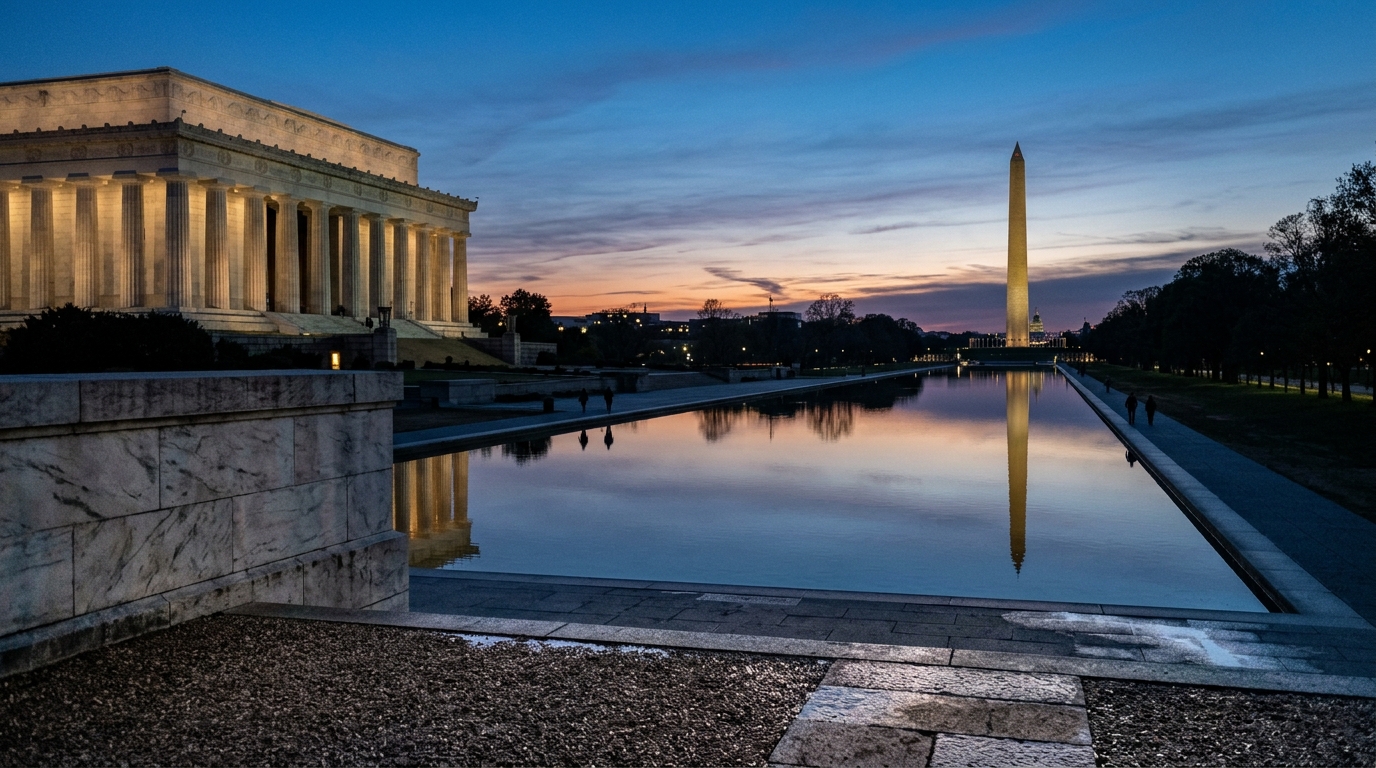
The iconic Lincoln Memorial Reflecting Pool, a tranquil expanse that mirrors the monument to Abraham Lincoln and the Washington Monument, is more than just a beautiful backdrop for photos. It's a symbol of American ideals, and any alleged damage to it draws immediate public attention. So, when charges were filed against an ex-Olympian for alleged vandalism at this hallowed site, many in the DMV area and beyond took notice. Now, a significant development has emerged from the District's judicial system: a DC judge has permanently dismissed the case charging the former Olympian with vandalizing the Lincoln Memorial Reflecting Pool
[1]. This decision marks a definitive end to the legal proceedings related to the incident, leaving many questions unanswered about the specifics of the alleged act and the reasons behind the dismissal.
A permanent dismissal means the legal proceedings against the individual are concluded, and the charges cannot be refiled in the future.
## The Court's Definitive Action When a judge permanently dismisses a case, it signifies a final legal resolution. Unlike a temporary dismissal, which might allow for charges to be refiled at a later date, a permanent dismissal closes the door on further prosecution for that specific incident. This outcome can stem from various factors, such as insufficient evidence, procedural errors, or other legal considerations that lead the court to conclude that the case cannot or should not proceed. For the individual involved, it means the legal cloud over them has been lifted for good. The District of Columbia's judicial system, including the
Superior Court of the District of Columbia, handles a wide array of cases, from local matters to those involving national landmarks given the city's unique status. Decisions like these underscore the rigorous legal processes at play, where evidence and legal arguments are weighed carefully before a final judgment is rendered. ## The Significance of the Lincoln Memorial Reflecting Pool The Lincoln Memorial Reflecting Pool isn't just a body of water; it's an integral part of the
National Mall and Memorial Parks, managed by the National Park Service. Stretching over 2,000 feet, it connects the Lincoln Memorial to the World War II Memorial and offers a stunning vista toward the Washington Monument. It has been the backdrop for countless historic moments, including Martin Luther King Jr.'s "I Have a Dream" speech during the March on Washington. Its historical and cultural importance means that any act of vandalism there is not merely property damage but an affront to a national treasure. The National Park Service invests considerable resources in maintaining these sites, ensuring they remain pristine and accessible for millions of visitors each year. Protecting these spaces from damage is a constant challenge, and legal action is often pursued to deter such acts and hold individuals accountable. ## Protecting Public Spaces in the Nation's Capital The DMV area is home to countless national landmarks, monuments, and public spaces that require constant vigilance and care. From the steps of the U.S. Capitol to the various Smithsonian museums and the sprawling National Parks, these sites are part of the collective heritage and are enjoyed by both residents and tourists alike. Vandalism, in any form, poses a threat to the integrity and accessibility of these cherished locations. Incidents involving damage to public property often fall under the jurisdiction of local law enforcement, such as the U.S. Park Police for federal lands, in coordination with the local District Attorney's office. The legal system serves as a crucial mechanism for upholding the sanctity of these spaces and ensuring that those who deface or damage them face consequences. The permanent dismissal in this particular case, while closing one chapter, highlights the ongoing efforts to balance justice with the protection of public assets. ## What This Means for DMV Residents For those of us living in and around Washington D.C., the Lincoln Memorial Reflecting Pool is more than just a tourist attraction; it's a part of our daily landscape and a symbol of our community's place in national history. The dismissal of a high-profile case involving alleged vandalism at such a significant landmark raises questions for many about accountability and the protection of our shared public spaces. While the legal process has concluded for the ex-Olympian, the incident serves as a reminder of the fragility of these monuments and the importance of civic responsibility in preserving them. Residents often take pride in these spaces, and their upkeep relies on respect from all who visit. Going forward, the National Park Service will continue its vital work in maintaining the Reflecting Pool and other monuments. This case's outcome, while final, doesn't diminish the need for continued vigilance and respect for the historical and cultural sites that define our region. It's a reminder that even without a conviction, public awareness and community engagement are crucial for safeguarding these irreplaceable landmarks for future generations.