How to Get a DC Concealed Carry Permit
Share this article
If you live in or travel through the District, the rules for legally carrying a concealed handgun are uniquely DC: strict, detailed, and very different from Maryland and Virginia. This guide walks you through eligibility, training, fees, where you can and can’t carry, and how to keep your license compliant once you’ve got it. You’ll also see how DC’s Concealed Pistol License stacks up against neighboring states—before you cross the Wilson Bridge or American Legion Bridge with a firearm.
Quick Answer: DC issues Concealed Pistol Licenses (CPLs) to residents and nonresidents age 21+ who pass fingerprinting and a background check, complete 16 hours classroom plus 2 hours live‑fire with an MPD‑certified instructor, and (for DC carry) have the pistol registered with MPD. Expect to pay about $75 for the license, $35 for fingerprints, and $13 to register the pistol, plus training costs. Carry is banned on Metro, federal property, schools, most government buildings, at permitted demonstrations, and on most private property without express consent. DC does not honor Maryland or Virginia permits.
Eligibility in DC: Who Qualifies and What to Bring
DC is now a “shall‑issue” jurisdiction: if you meet the legal requirements, MPD will issue a Concealed Pistol License (CPL). You must be at least 21, pass a background check and fingerprinting, complete MPD‑approved training, and not be prohibited under DC or federal law (e.g., felony convictions, certain domestic violence orders, drug or alcohol disqualifiers). DC issues to residents and nonresidents under the same standards. If you intend to carry in DC, the pistol you carry must be registered with the Metropolitan Police Department’s Firearms Registration Branch (FRB) before you carry it here.
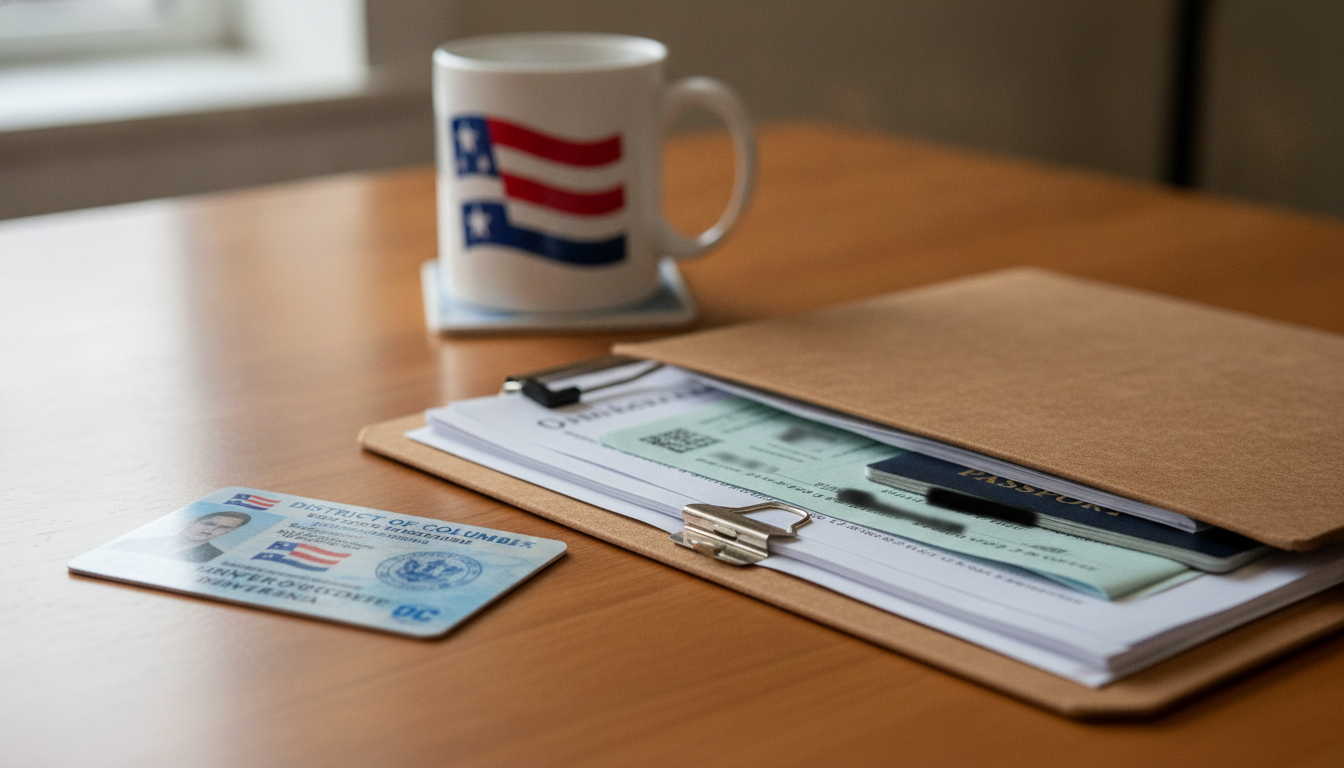
Bring government‑issued photo ID, your training certificate(s), proof your pistol is registered in DC (registration certificate or number), and a method of payment for fees. You’ll be photographed and fingerprinted as part of the process. Nonresidents apply the same way—through MPD—and may register the pistol they intend to carry in the District. A few other ground rules apply across the DMV: DC bans magazines over 10 rounds, and you cannot carry while legally impaired. Finally, remember that “concealed” means concealed: DC does not allow open carry under a CPL.
- Age: 21+ for a CPL (no exceptions for 18–20)
- Residency: DC and nonresidents eligible (same standards)
- Disqualifiers: Felonies, certain misdemeanors, restraining/protective orders, recent DUIs, and other prohibitors under DC/federal law
- Firearm: Pistol only, and it must be registered with MPD to carry in DC
- Magazines: 10‑round limit in DC
Step-by-Step: Applying for a DC Concealed Pistol License
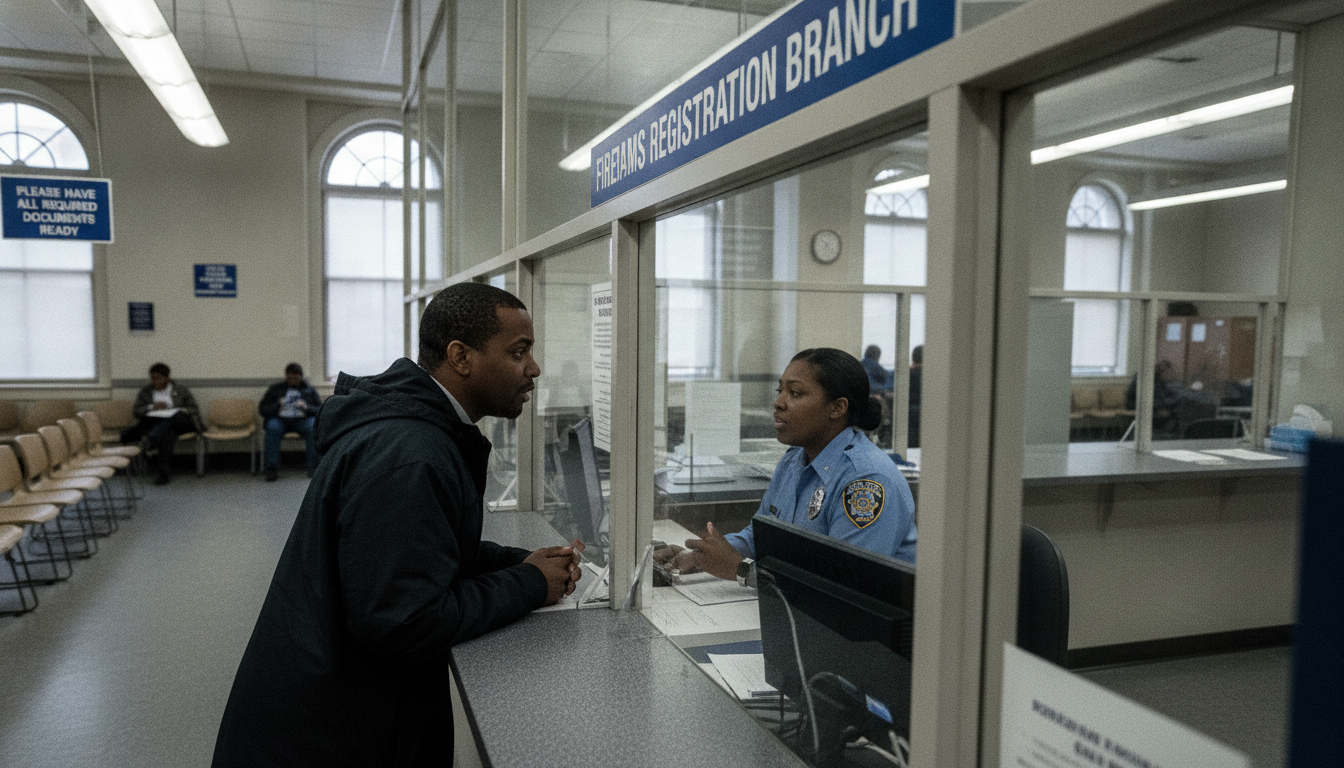
Plan on two parts: paperwork and fingerprints at MPD, and training with an MPD‑certified instructor. Most applicants start by registering the pistol with MPD’s Firearms Registration Branch (FRB) at 300 Indiana Ave NW, Room 3055, then completing CPL training. You’ll submit your application, training certificates, and fees at FRB and be fingerprinted on site. Appointments are strongly recommended via MPD’s Firearms Registration/CPL portal; walk‑ins are limited and increase your wait time. Keep copies of everything you submit.
Expect these steps:
- Register the pistol with MPD if you intend to carry it in DC (fee typically $13 per firearm).
- Complete approved CPL training (16 hours classroom + 2 hours live‑fire) with an MPD‑certified instructor.
- Gather documents: government ID, training certificates, DC firearm registration info, and any legal name‑change or court records if applicable.
- Book an FRB appointment; submit the CPL application and pay fees (license ~$75; fingerprinting ~$35). MPD will photograph and fingerprint you.
- Respond promptly to any MPD requests for more information. Most delays come from missing training paperwork, incorrect serial numbers, or incomplete personal history sections.
- When approved, carry your physical CPL whenever you carry. If denied, see the Appeals section below.
Typical timelines run several weeks after your fingerprints are taken. Training costs vary widely—budget $250–$500 depending on class size and range fees. Some instructors bundle the DC firearm registration consult with their course; ask before you book.
Training and Live-Fire: Finding MPD‑Certified Instructors in the DMV
DC requires robust training: at least 16 hours of classroom instruction plus 2 hours of live‑fire with an MPD‑certified instructor. The curriculum covers safe handling, storage, the legal use of force under DC law, prohibited places, interacting with police, and marksmanship. Renewals require refresher training before your license expires—at least 4 hours classroom plus 2 hours range is standard under MPD rules. Many DC‑approved instructors teach in the District and run live‑fire at nearby ranges in Maryland or Virginia since DC has no public commercial range.
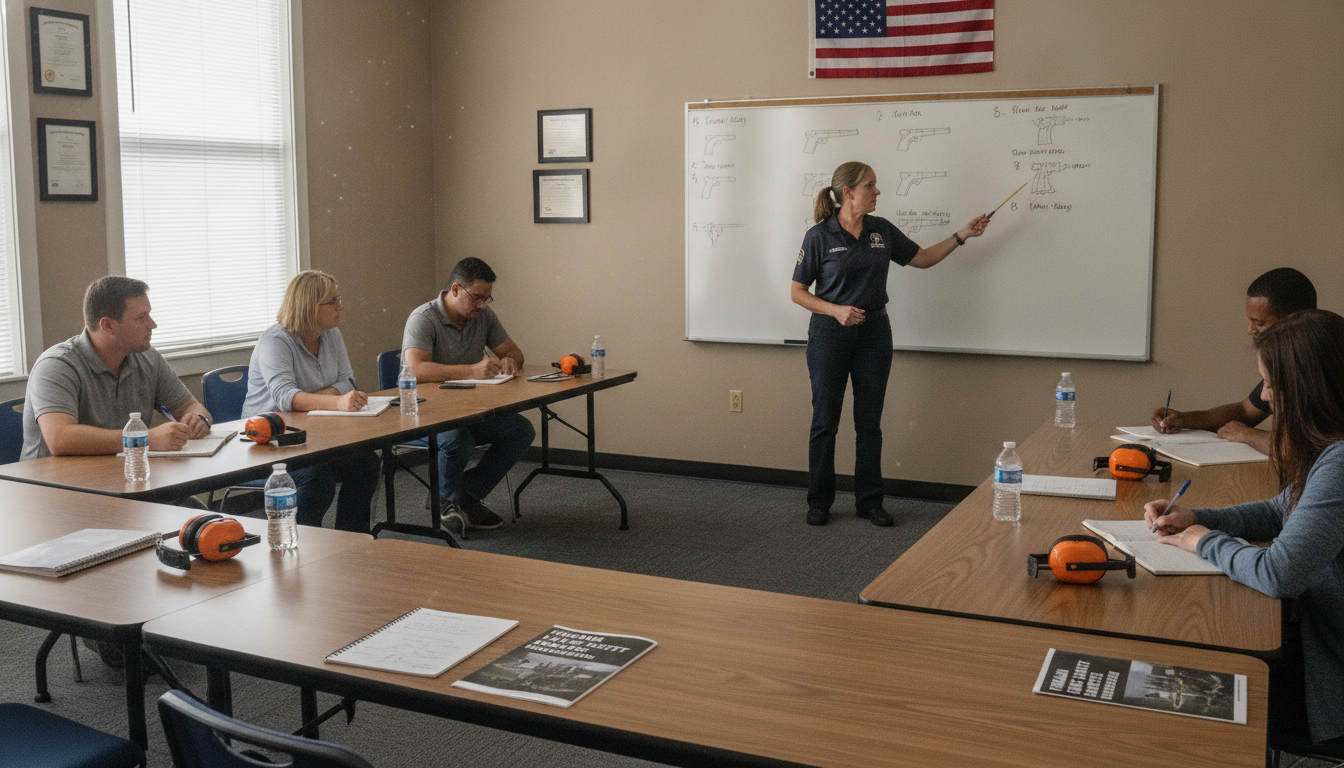
To find certified instructors, check MPD’s published list of approved CPL instructors on the MPD website and confirm their credentials are current. Popular venues where DC‑approved instructors host live‑fire include:
- Silver Eagle Group (Ashburn, VA; near VA‑7 and VA‑28)
- Sharpshooters Range (Lorton, VA; off I‑95 Exit 161)
- Blue Ridge Arsenal (Chantilly, VA; near US‑50 and VA‑28)
- Maryland Small Arms Range (Upper Marlboro, MD; near MD‑4 and I‑495)
- The Machine Gun Nest (Frederick, MD; near I‑270)
Ask instructors about: class size, whether range fees and targets are included, loaner firearms if your pistol isn’t yet registered, what documentation you’ll receive (keep originals), and rescheduling policies. Because DC law evolves, prioritize instructors who teach DC‑specific legal updates—especially on prohibited places and private‑property consent rules.
Where You Can and Can’t Carry in DC (Plus MD and VA Rules)
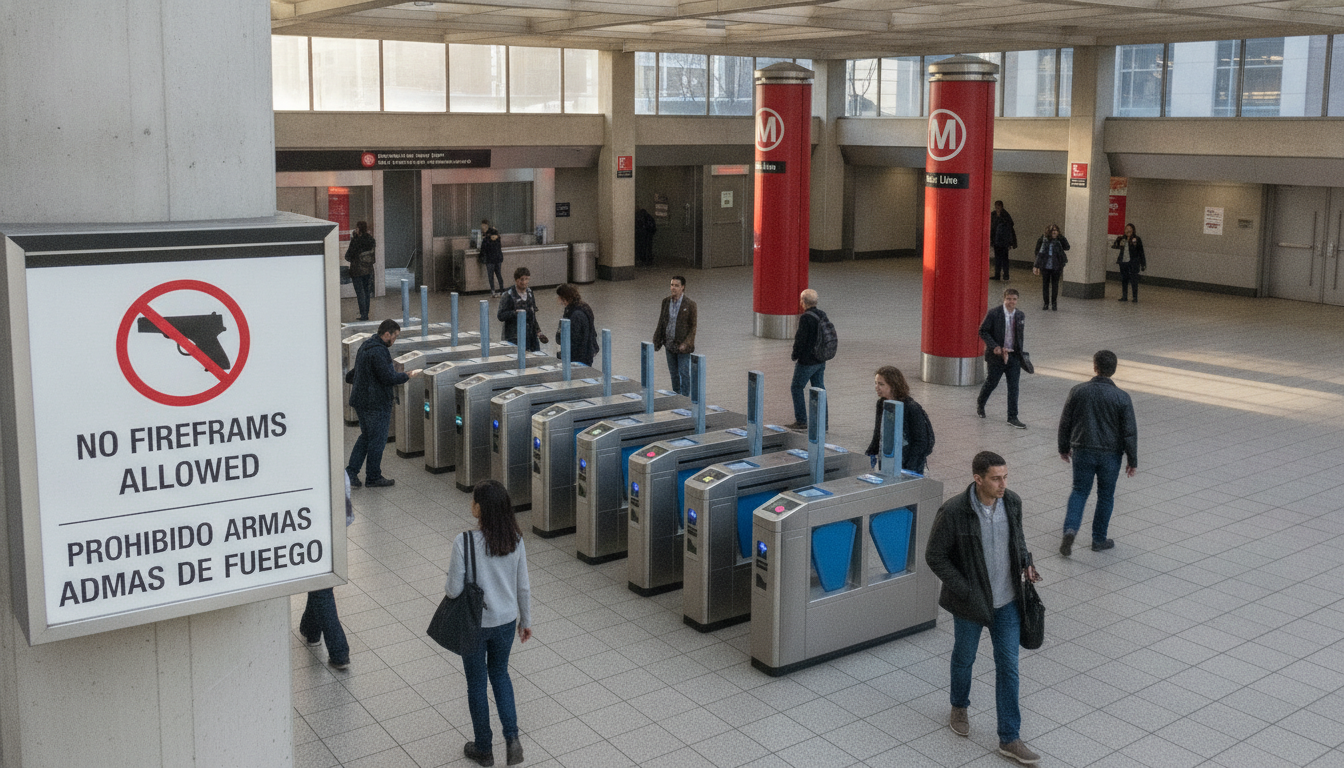
Even with a DC CPL, there are many off‑limits places. The big ones: federal property (think the National Mall, Smithsonian museums, federal office buildings), District government buildings and courthouses, schools and childcare facilities, public transportation (Metro, Metrobus, DC Circulator, and DC Streetcar), stadiums/arenas (Nationals Park, Audi Field, Capital One Arena), permitted demonstrations and special events, and any place posting “no firearms.” DC also makes most private property off‑limits by default unless the owner gives express consent—signage that firearms are permitted or explicit permission. You may not carry while consuming alcohol or while impaired.
Car carry: With a CPL, you may carry concealed on your person or within your immediate control in a vehicle. Without a CPL, a pistol in DC must be unloaded, locked, and separate from ammunition. Magazines over 10 rounds are illegal in DC regardless of license. A few DC‑specific wrinkles: parks controlled by the National Park Service are federal property (off‑limits), many museums and memorials are federal, and temporary “security perimeters” around events often extend blocks beyond the site—heed MPD and USSS signage.
Crossing borders: Maryland and Virginia
- Maryland: Shall‑issue Wear and Carry Permit; 16 hours initial training, 8 hours for renewal. Post‑Bruen, Maryland added broad “sensitive places,” including public transit and many government facilities, and generally prohibits carry on private property without the owner’s consent. Maryland does not recognize DC’s CPL.
- Virginia: Shall‑issue Concealed Handgun Permit; training required (in‑person or qualifying course). Virginia recognizes many out‑of‑state permits, including DC’s. Prohibited places include K–12 schools, courthouses, certain government buildings and Capitol Square, and locations that post bans. You may not consume alcohol while carrying concealed in restaurants that serve alcohol.
Never rely on GPS borders to judge legality—one wrong turn off I‑295 or I‑395 can flip the rules. Check DC Code, Maryland State Police, and Virginia State Police guidance before you travel.
Renewals, Address Changes, and Appeals if You’re Denied
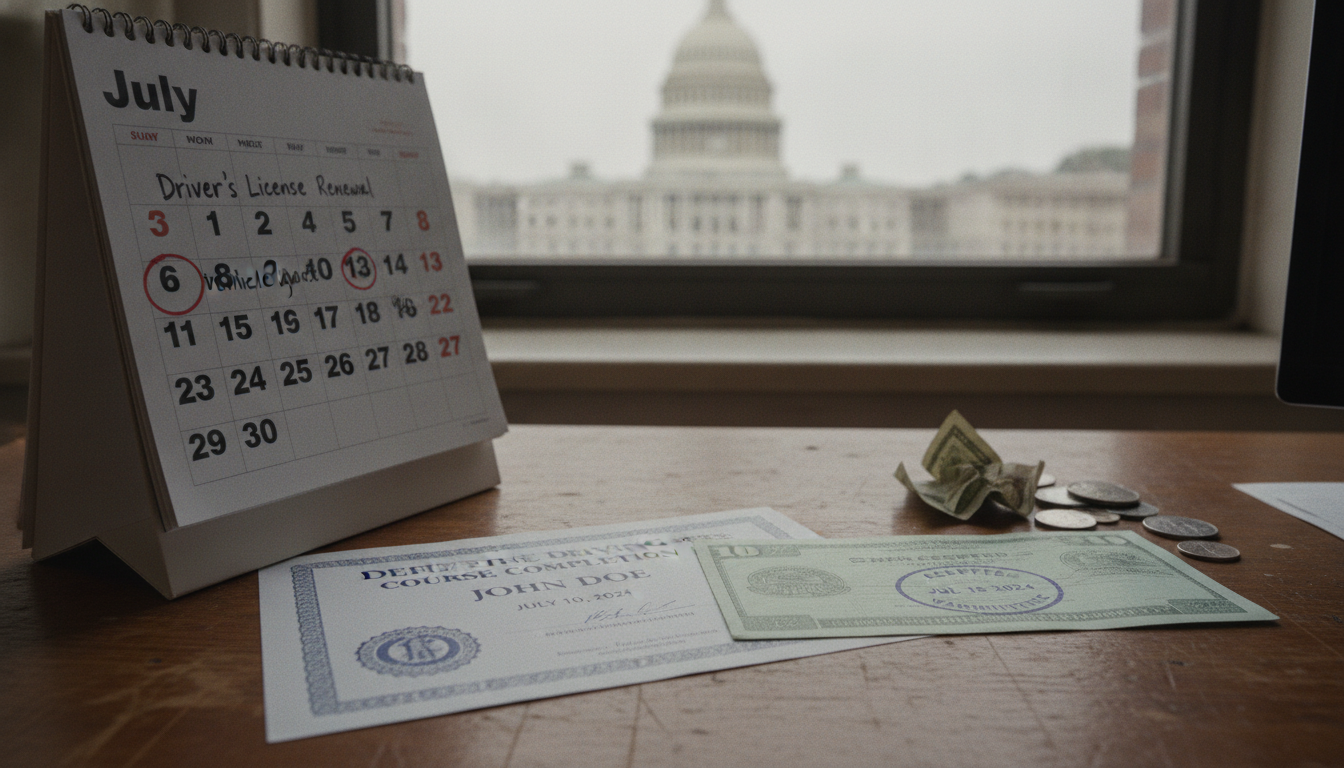
DC CPLs are not “set and forget.” Mark your calendar well ahead of the expiration date. You must complete MPD‑approved refresher training before renewal and submit your renewal application, fees, and proof of training to the Firearms Registration Branch. If your address, name, or pistol details change, DC law requires prompt notice to MPD; update your firearm registration record and your CPL so your physical license matches reality. Lost or stolen license? Report it to MPD quickly and request a replacement.
If MPD denies or revokes your CPL, read the notice carefully. You can seek administrative review and appeal—submit any correcting documents (e.g., mistaken criminal history entries, expungement orders) and ask for reconsideration. Formal appeals of MPD licensing decisions are handled through the District’s administrative process; deadlines are short, so act fast and consider counsel. Keep copies of everything you file and all certified mail receipts. If your renewal lapses, you may have to stop carrying immediately and potentially re‑apply; there’s no guaranteed “grace period” to carry on an expired license.
- Renewal training: complete before you file—don’t wait for approval
- Update MPD promptly after any address/name change
- Report lost/stolen license to MPD
- Appeals: follow the instructions on MPD’s decision letter and file on time
Frequently Asked Questions
Who qualifies for a DC Concealed Pistol License?
Applicants must be at least 21, pass a background check and fingerprinting, complete approved training, and not be prohibited by law. DC issues to residents and nonresidents who meet the same standards.
How long does it take to get a DC concealed carry permit?
Processing times vary, but plan for several weeks after you submit fingerprints, training certificates, and fees at MPD’s Firearms Registration Branch. Incomplete paperwork is the most common delay.
What training is required for a DC concealed carry permit?
Initial applicants must complete 16 hours of classroom instruction plus 2 hours of range training from an MPD-certified instructor. Renewals require additional training before the license expires.
Where is carrying prohibited in DC with a permit?
Prohibited places include federal property, government buildings, schools, public transit including Metro, permitted demonstrations, and many private properties without consent. Always verify posted signage and DC Code restrictions.
Does DC recognize Maryland or Virginia permits?
No. DC does not recognize any other jurisdiction’s permits. Virginia generally recognizes out-of-state permits, including DC’s, while Maryland does not recognize DC permits.
More from DMV News
Explore more on this topic
Related Stories
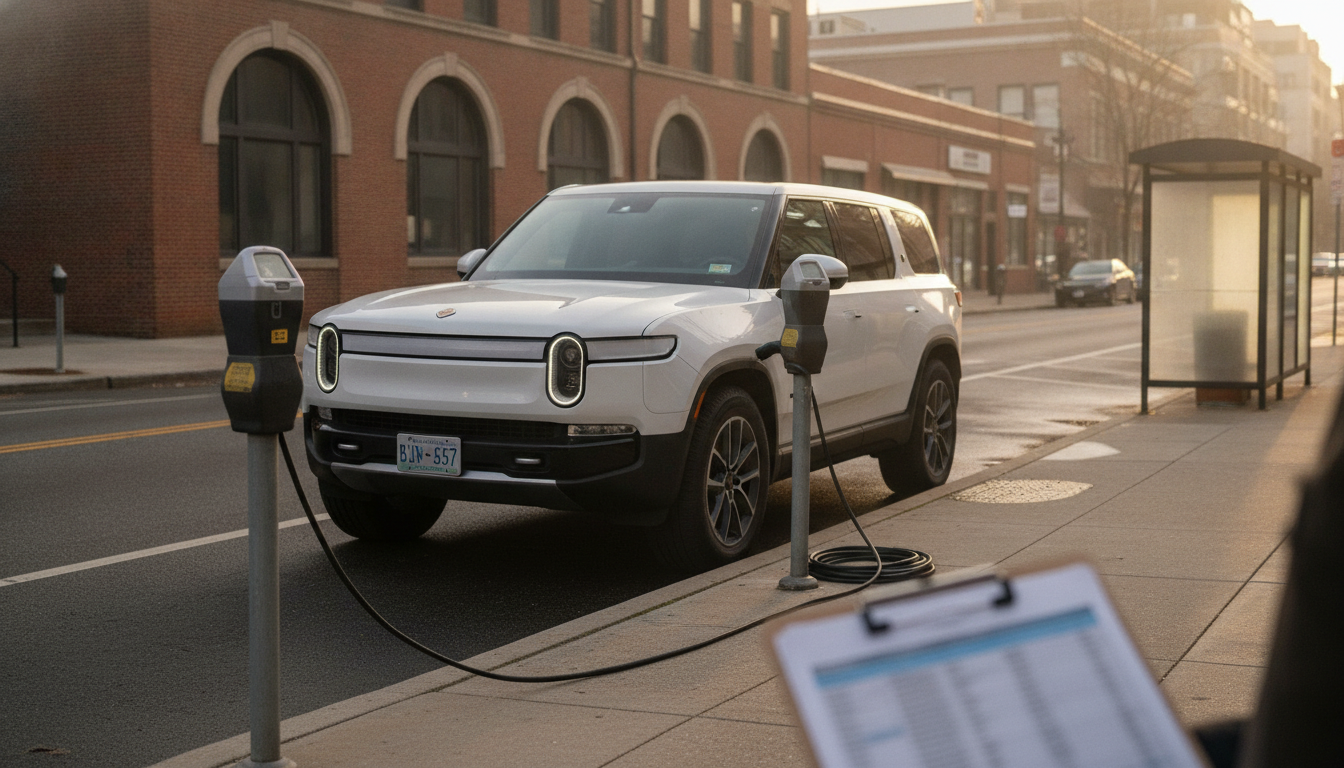
DC Auditor's New Spending Database Reveals $4 Million Price Tag for District's Rivian Fleet
A newly launched searchable database from the Office of the D.C. Auditor allows residents to track municipal spending, immediately revealing over $4 million spent on luxury Rivian electric vehicles in FY2025.
Dr. Fauci Outlines Coronavirus Outlook for the Washington Region
Dr. Anthony Fauci delivered a coronavirus update specifically tailored to the Washington, D.C. region, highlighting the interconnected public health challenges facing the District, Maryland, and Virginia.