Fairfax County Leaders Eye Streamlined Path for Small Businesses
Share this article

Understanding the Obstacles
Many small business owners in the DMV region, and particularly in a large jurisdiction like Fairfax County, frequently cite bureaucratic red tape as a significant barrier. This can include anything from the time it takes to secure necessary permits for a new storefront, to understanding the specific zoning laws for a particular type of business, or navigating the various inspections required to open and operate legally. Each step, while necessary for public safety and order, can add layers of complexity, cost, and delay. The county's consideration of reducing these hurdles suggests an acknowledgment of these pain points. It's not just about attracting new businesses; it's also about helping existing ones expand and thrive without getting bogged down by administrative burdens. Streamlining these processes could mean faster opening times for new ventures, allowing them to start generating revenue and employing residents sooner. It could also free up existing businesses to focus more on innovation and customer service, rather than paperwork.Why This Matters for Fairfax Residents
For the nearly 1.2 million residents of Fairfax County, these discussions by county leaders carry tangible implications. A more accessible business environment translates directly into more choices for consumers, more local job opportunities, and a more robust tax base that supports essential public services like schools, parks, and infrastructure. When local businesses flourish, communities feel more vibrant, offering unique shopping, dining, and service options that national chains often can't replicate. It encourages local spending, keeping money circulating within the community. The Fairfax County Economic Development Authority (FCEDA) often works to attract and retain businesses, and initiatives like this complement their mission. By proactively addressing administrative challenges, the county can enhance its reputation as a place where businesses are not just welcome, but actively supported. This proactive approach can be a significant differentiator when businesses are deciding where to set up shop.Potential Avenues for Simplification
While specific proposals aren't detailed in the initial report [1], discussions around reducing hurdles often explore several common strategies. These can include: * **Digitization of Services**: Moving more permitting and licensing applications online, making them accessible 24/7 and reducing processing times. * **Single Point of Contact**: Establishing a dedicated liaison or ombudsman for small businesses to guide them through various county departments. * **Regulatory Review**: Regularly assessing existing regulations to identify outdated or overly burdensome rules that can be simplified or eliminated without compromising safety or environmental standards. * **Clearer Communication**: Developing user-friendly guides and workshops to help entrepreneurs understand requirements upfront. * **Expedited Review Processes**: Creating fast-track options for certain low-impact business applications. These types of reforms are not unique to Fairfax County; many jurisdictions across the country are grappling with how to balance necessary oversight with the desire to foster economic growth. The goal is typically to create a predictable and transparent process that minimizes surprises and allows entrepreneurs to focus on building their businesses.The Road Ahead for Fairfax
The consideration by Fairfax County leaders marks an important step. These discussions will likely involve various county departments, local business associations, and community stakeholders to gather input and identify the most impactful areas for reform. Any significant changes would require careful planning, public input, and potentially new policies or technological investments. Residents and business owners in Fairfax County should keep an eye on these developments. Engaging with local business groups like the Fairfax Chamber of Commerce or attending county board meetings can provide opportunities to learn more and even offer feedback on what changes would be most beneficial. The outcome of these considerations could shape the future landscape for small businesses, making it easier for new ideas to blossom and existing enterprises to flourish across Fairfax County.📍 Local Resources for Fairfax County Businesses
Provides resources, assistance, and guidance for businesses looking to start, relocate, or expand in Fairfax County.
Handles zoning administration, permits, and inspections for construction and land use projects in the county.
Offers free, confidential business counseling, training, and resources to help small businesses start, grow, and thrive.
Explore more on this topic
Related Stories
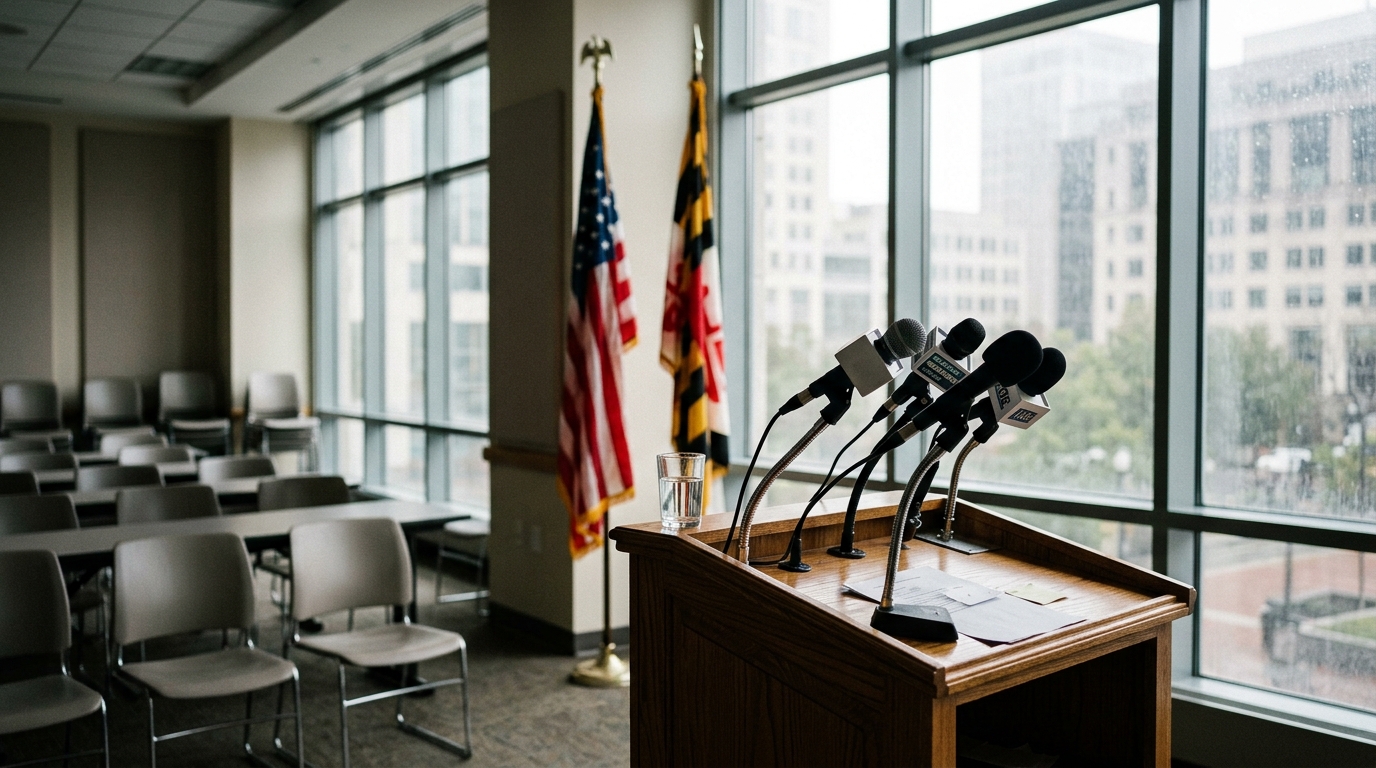
Mayor Scott Calls for Harborplace Demolition, Regardless of Redevelopment Plans
Baltimore Mayor Brandon Scott has made a definitive statement regarding the future of Harborplace, calling for the demolition of its long-standing pavilions regardless of whether a full redevelopment plan is immediately finalized. This move signals a significant shift in the city's approach to its iconic, yet aging, Inner Harbor landmark.
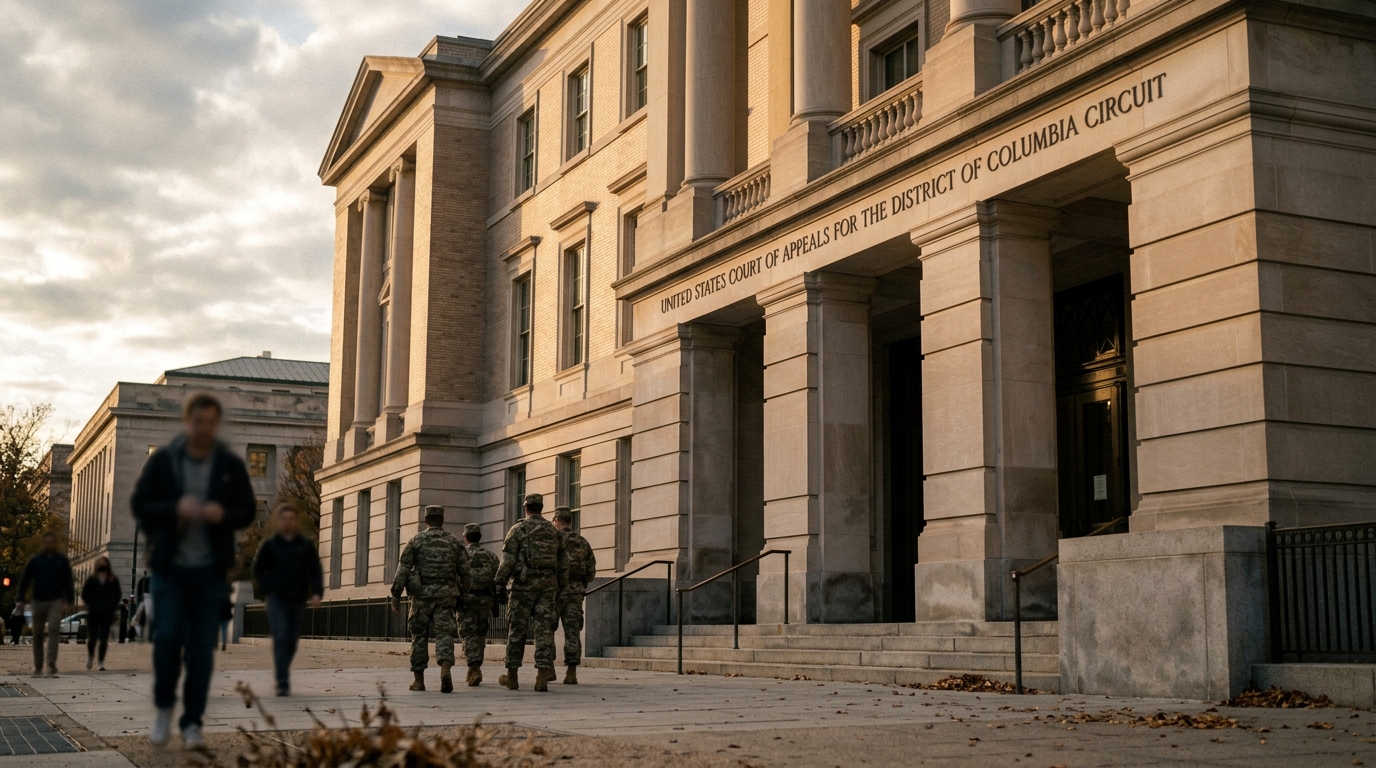
DC Attorney General Fights 'Illegal' National Guard Deployment in Appeals Court
DC Attorney General Brian L. Schwalb is challenging the federal government's "illegal" deployment of National Guard troops in the District before the U.S. Court of Appeals for the D.C. Circuit. The lawsuit argues that the military presence for local law enforcement violates federal law and the Constitution, undermining DC's self-governance.

Fairfax County Supervisors Greenlight Maximum 3.5% Tax on Recreational Marijuana Ahead of Mid-2027 Sales
Fairfax County's Board of Supervisors has set the highest allowable 3.5% local tax on recreational marijuana, effective when retail sales begin in mid-2027. This proactive move aims to maximize revenue for public services as the county prepares for Virginia's regulated cannabis market.