Mayor Scott Calls for Harborplace Demolition, Regardless of Redevelopment Plans
Share this article
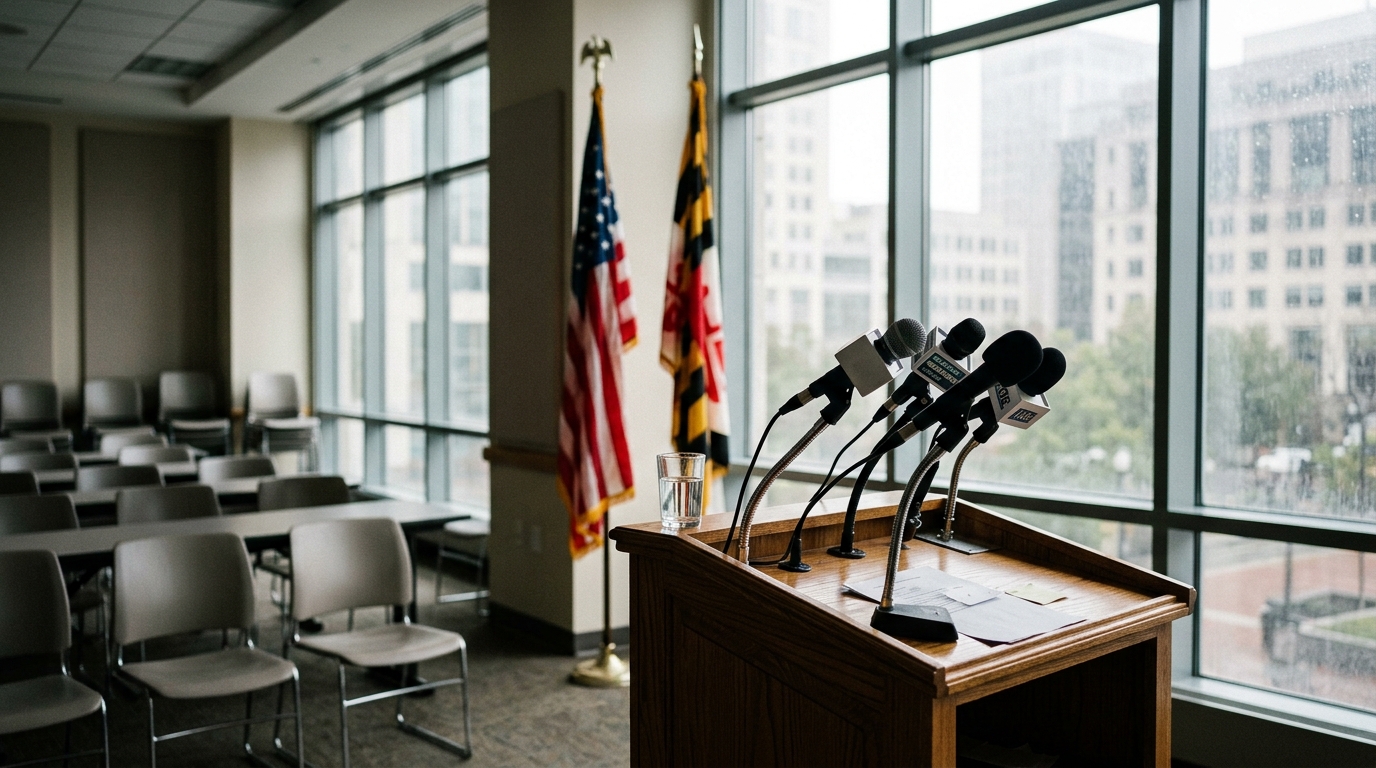
A Landmark in Limbo
Harborplace, originally envisioned by developer James Rouse and opened in 1980, transformed Baltimore's Inner Harbor into a national model for urban waterfront development. It was a bustling hub of shops, restaurants, and entertainment, drawing millions of tourists and locals alike. However, over the past two decades, the pavilions have struggled. Vacancies grew, maintenance lagged, and the once-vibrant atmosphere faded, leaving many to view the structures as an eyesore rather than an asset. The current owner, MCB Real Estate, has been working on a comprehensive redevelopment plan for the site. Their vision includes tearing down the existing pavilions to build a mix of housing, retail, and public spaces, aiming to reconnect the Inner Harbor with the surrounding city more organically. This plan has been undergoing a detailed review process, including scrutiny from the city's planning department and public input. Mayor Scott's recent comments, however, suggest a growing impatience with the pace and a conviction that the current structures have simply outlived their utility, regardless of what comes next."Whether it is with the current developer or not, those pavilions have to come down." — Mayor Brandon Scott (The Baltimore Banner)This declaration underscores a frustration many Baltimoreans share: the current state of Harborplace is simply untenable. The mayor's focus isn't just on eventual redevelopment but on immediately addressing what he views as a blight on the city's most prominent public space.
The Path to Demolition
While the mayor's words carry significant weight, the actual process of demolishing the Harborplace pavilions isn't a simple flick of a switch. The property is privately owned, and any demolition would typically require the owner, MCB Real Estate, to initiate the action. However, a city could potentially declare the structures a public nuisance if they pose significant health or safety risks, which could open pathways for municipal intervention. The relationship between the city and MCB Real Estate is crucial here. The developer's current plans already include demolition as a first step toward their proposed mixed-use project. Mayor Scott's statement could be seen as applying pressure, signaling that the city is ready to move forward with or without the current developer's full plan immediately approved, or perhaps even exploring alternatives if the current process stalls further. The city's Department of Planning plays a vital role in reviewing all major development projects, including demolition permits and new construction. Any significant change to Harborplace would go through extensive public hearings and approvals from bodies like the Urban Design and Architecture Advisory Panel and the Planning Commission. Residents of Baltimore will have multiple opportunities to weigh in as these plans progress, or even if the city pursues a demolition independent of a new construction proposal. You can find more about the city's planning processes on the Baltimore City Department of Planning website.What This Means for Baltimore
This declaration from Mayor Scott isn't just about two buildings; it's about the future identity of Baltimore's most famous landmark and a significant portion of its downtown economy. The Inner Harbor has long been a primary driver of tourism and a central gathering place. Its decline has been felt acutely by local businesses and residents who remember its heyday. Demolishing the pavilions could be a symbolic act of moving forward, even if it means a period of construction and uncertainty. It clears the slate, literally, for a new chapter. However, it also raises questions about what would replace them and how quickly that could happen. An empty space, even temporarily, could impact tourism and local commerce if not managed carefully. The city will need to work closely with the community and potential developers to ensure any future plans align with Baltimore's long-term vision. The broader DMV region often looks to Baltimore's Inner Harbor as a destination. Its health impacts regional tourism and the perception of the area's economic vitality. A revitalized Harborplace could draw more visitors from across Maryland, Northern Virginia, and Washington, D.C., boosting local businesses and employment. Conversely, prolonged uncertainty or an unappealing temporary state could deter them. Residents interested in the city's overall development strategy can explore resources from Live Baltimore. The Mayor's firm stance signals a fresh approach to tackling urban decay. It prioritizes action over endless deliberation, aiming to remove what he views as a critical impediment to the Inner Harbor's resurgence. The coming months will undoubtedly see intense discussions, public forums, and strategic maneuvers as the city, the developer, and the community grapple with the practicalities and possibilities of this bold new direction.📍 Local Resources
Responsible for guiding the physical development of Baltimore, including urban design review, zoning, and comprehensive planning initiatives like those impacting Harborplace.
The legislative body of Baltimore City, responsible for passing ordinances and resolutions that would impact major development projects and city policy.
The official tourism organization for Baltimore, providing information on attractions, events, and accommodations for visitors to the city.
Explore more on this topic
Related Stories
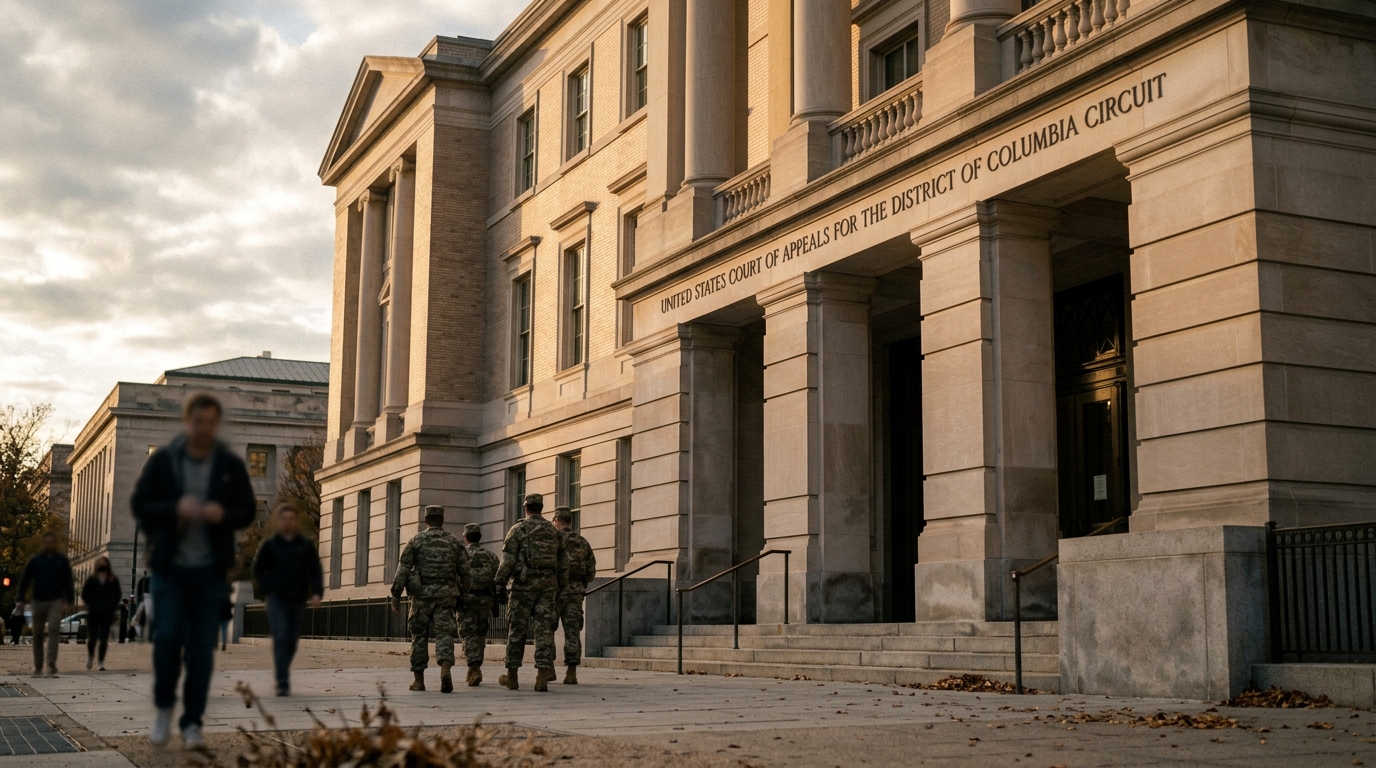
DC Attorney General Fights 'Illegal' National Guard Deployment in Appeals Court
DC Attorney General Brian L. Schwalb is challenging the federal government's "illegal" deployment of National Guard troops in the District before the U.S. Court of Appeals for the D.C. Circuit. The lawsuit argues that the military presence for local law enforcement violates federal law and the Constitution, undermining DC's self-governance.
Fairfax County Supervisors Greenlight Maximum 3.5% Tax on Recreational Marijuana Ahead of Mid-2027 Sales
Fairfax County's Board of Supervisors has set the highest allowable 3.5% local tax on recreational marijuana, effective when retail sales begin in mid-2027. This proactive move aims to maximize revenue for public services as the county prepares for Virginia's regulated cannabis market.

Loudoun County School Board Moves to Tighten Out-of-Zone Student Transfers
The Loudoun County School Board is moving to limit out-of-zone student transfers, a decision that could significantly impact school choice and planning for families across the rapidly growing county.