Economy Tops Concerns for Prince George's County Voters Ahead of Elections
Share this article
The Weight of the Wallet in Elections
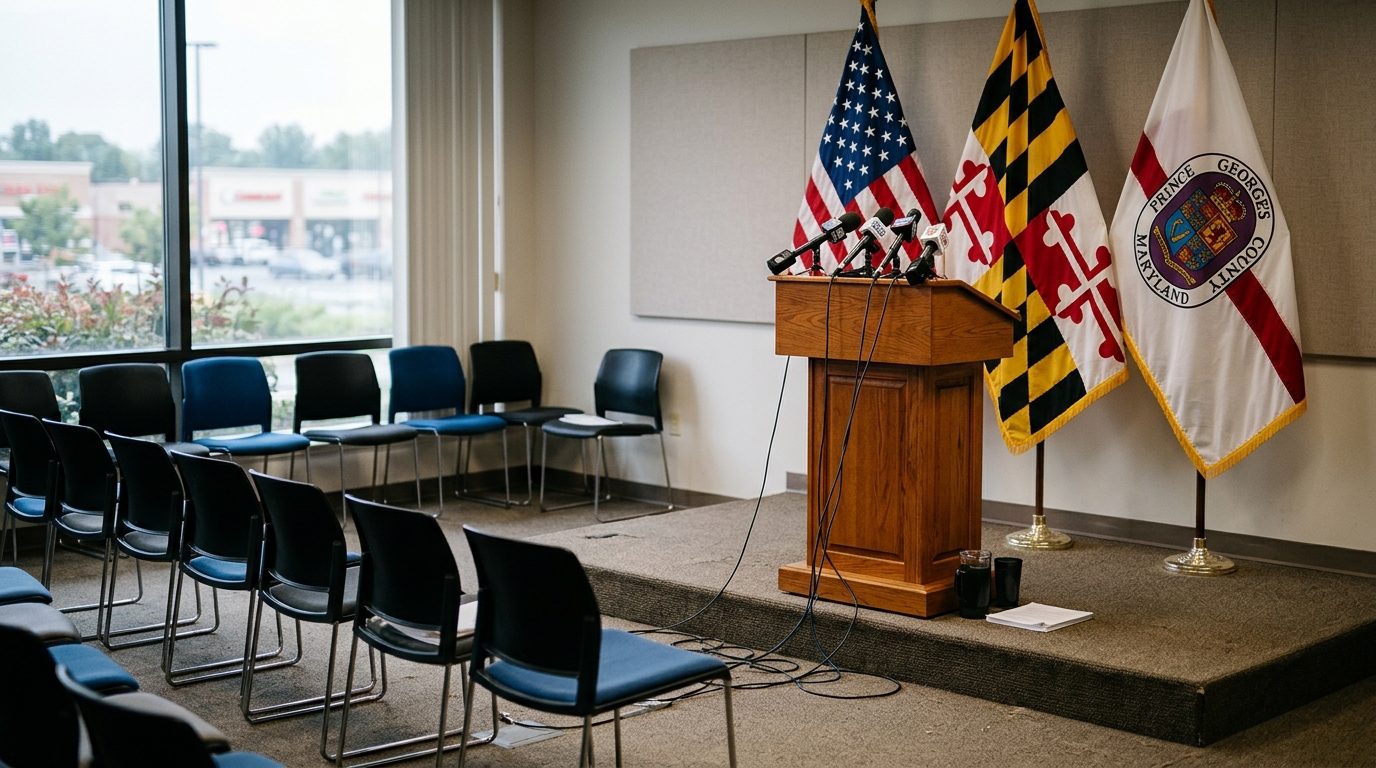
It's no secret that economic conditions frequently top the list of voter priorities. From the price of groceries at your local Giant or Safeway to the cost of gas at the pump on Route 50, daily expenses hit home. When these costs rise, or job security feels uncertain, it naturally translates into heightened concern and a desire for political solutions. For Prince George's County voters, this isn't just a national statistic; it's a lived reality influencing their decisions when they mark their ballots. Across the country, economic sentiment is often a bellwether for election outcomes, and Prince George's County is no exception. Voters look to candidates not just for promises, but for tangible plans to ease financial burdens, create opportunities, and ensure economic stability. This means that campaigns will likely need to articulate clear strategies for job growth, managing inflation, and supporting local businesses to resonate with the electorate.Prince George's County: A Pivotal Voting Bloc
As Maryland's second-most populous county, Prince George's County plays a crucial role in state politics. Its diverse population and significant number of registered voters mean that the concerns echoing through its neighborhoods — from Upper Marlboro to Laurel and everywhere in between — can swing elections statewide. When a majority of these voters express a common concern like the economy, it sends a clear signal to politicians and policymakers. Understanding the specific economic pressures faced by residents here is vital. While the general concern about the economy is clear, the nuances might include issues like affordable housing, the cost of childcare, or the availability of good-paying jobs that match the skills of the local workforce. Addressing these specific pain points will be key for candidates looking to connect authentically with Prince George's County residents. The county's economic health is intrinsically linked to the well-being of its communities, and voters expect their leaders to prioritize solutions that foster prosperity.Connecting Local Economy to Broader Trends
While the focus remains local, the economic concerns felt in Prince George's County are often connected to broader regional and national trends. Factors like inflation, interest rate hikes, and the overall job market can ripple down to impact local communities. Understanding these larger forces, and how they interact with local economic development, is crucial for both voters and the candidates seeking to represent them. For instance, national inflation rates, tracked by agencies like the U.S. Bureau of Labor Statistics, directly affect the purchasing power of every dollar earned in Prince George's County. Similarly, shifts in the regional job market, influenced by federal hiring or corporate relocations in the greater DMV area, can impact employment opportunities within the county. These interconnected factors mean that local leaders must often navigate both county-specific challenges and broader economic currents.What's Next for Prince George's County Voters?
As the election cycle continues, residents of Prince George's County should pay close attention to how candidates address economic issues. Will they propose new initiatives for job creation, offer solutions for housing affordability, or outline strategies to support small businesses that are the backbone of many local communities? The focus on the economy by Prince George's County voters means that candidates who can articulate clear, actionable plans to improve financial well-being will likely gain an advantage. Voters will be looking for more than just rhetoric; they'll be seeking concrete proposals that promise to make a difference in their everyday lives. Keep an eye on local forums and candidate debates for specific details on how those running for office plan to tackle these vital economic concerns. You can find information on upcoming elections and voter registration through the Maryland State Board of Elections.Explore more on this topic
Related Stories
Unaffiliated Voters Nearing Republican Numbers in Maryland, Shaking Up Political Landscape
Maryland's political landscape is shifting dramatically as unaffiliated voters are now fewer than 2,000 away from outnumbering registered Republicans statewide. This trend, particularly noticeable in DMV-adjacent counties like Montgomery and Howard, signals a significant change in how elections will be contested and won across the state.

Fairfax County Sees Steady Turnout for Crucial 2026 Election Day
Fairfax County is reporting a steady but manageable voter turnout for Election Day 2026, with local officials noting a smooth process at polling places across the county as residents cast ballots in a crucial election.
Maryland Voters to Chart New Course for Congressional Districts
Maryland voters are set to decide the future of congressional redistricting, a move that empowers citizens to directly shape how district lines are drawn across the state. This pivotal ballot question will impact representation for DMV residents and redefine the democratic process in Maryland.