Elections
Montgomery County
Maryland Voters to Chart New Course for Congressional Districts
Share this article
Advertisement
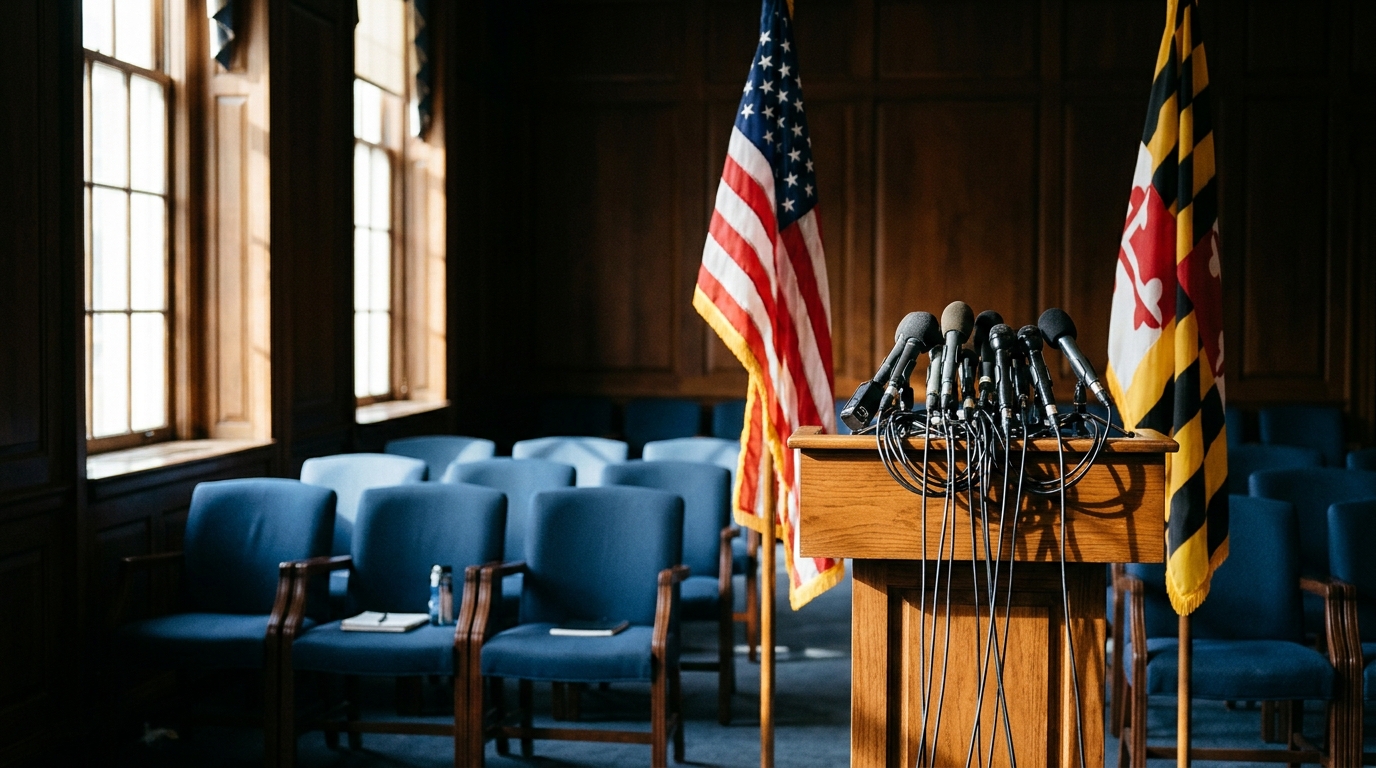
A pivotal moment is on the horizon for Maryland residents, who will soon cast their ballots to determine the very framework of how congressional districts are drawn across the state. This isn't just another item on the ballot; it’s a direct invitation for voters to shape the democratic process itself, influencing everything from local representation to federal legislative power. For years, the complex and often contentious process of congressional redistricting has been largely decided by lawmakers and commissions. But now, in a significant shift, Maryland voters will have the ultimate say on the future of these crucial district lines, according to The Baltimore Banner. This move empowers citizens to directly influence a process that underpins the fairness and equity of their electoral system.
Understanding Congressional Redistricting
Every decade, following the national census, states are mandated to redraw their congressional district boundaries. This is to ensure that each district contains roughly the same number of people, reflecting population shifts over the past ten years. The process is fundamental to American democracy, as it determines how many representatives each state sends to the U.S. House of Representatives and which communities are grouped together.Redrawing district lines directly impacts voter representation and the balance of power in Congress.
When conducted fairly, redistricting can ensure equitable representation for diverse communities. However, the process can also be manipulated, a practice commonly known as gerrymandering. This involves drawing district lines to favor one political party or group over another, often leading to districts with unusual shapes that dilute the voting power of certain populations or create safe seats for incumbents. This is why direct voter involvement in the process is seen by many as a critical step toward fostering greater transparency and accountability. Why This Matters for Maryland's DMV Residents
The decision facing Maryland voters will have a direct impact on communities stretching from Montgomery County's bustling urban centers to Frederick County's more suburban and rural landscapes. Congressional districts often cross county lines, meaning that changes to these maps can shift who represents a particular neighborhood in Congress, affecting everything from federal funding for local projects to the specific issues prioritized by their elected officials. For those living in the Maryland portions of the DMV, this ballot question represents an opportunity to ensure their voices are heard in Washington. A more transparent and voter-driven redistricting process could lead to districts that better reflect local communities and their unique needs, rather than serving partisan interests. It’s about ensuring that every vote cast carries its intended weight.Shaping the Future of Representation
The phrase "decide the future" suggests that Maryland voters aren't just tweaking existing rules; they're potentially establishing a new precedent or mechanism for how congressional districts will be drawn for years to come. This could involve approving a new set of criteria for drawing maps, establishing an independent commission, or setting up a more robust public input process. The specifics of the ballot question will undoubtedly outline these proposed changes, giving voters a clear choice on how they want their state to approach this vital task. This direct democratic engagement highlights a growing trend across the nation where citizens are demanding more control over fundamental electoral processes. By placing the power to determine redistricting in the hands of the electorate, Maryland is taking a significant step towards reinforcing the principle of popular sovereignty in shaping its political landscape.What's Next for Voters
As the election approaches, residents across Maryland, including those in the DMV, will need to pay close attention to the details of this ballot question. Understanding the proposed changes and their potential implications for their communities will be crucial. Information regarding the exact wording of the question and its potential outcomes will be made available through official state channels, such as the Maryland State Board of Elections. This isn't merely a political skirmish; it's a foundational decision about how Maryland's democracy will function. Voters will be tasked with weighing the arguments for and against the proposed changes, considering how they might impact fair representation, political competition, and the overall health of the state's electoral system. Keep an eye on local news and official state publications for comprehensive guides to the ballot question as it draws nearer. The future of Maryland’s congressional map rests squarely with its citizens.Advertisement
Explore more on this topic
Related Stories
Elections
Immigration and Gas Prices Emerge as Key Motivators for Maryland Voters
Montgomery County·Elections
As election season heats up, Maryland voters are reportedly focused on two key issues: the cost of gas and the complexities of immigration. These concerns are shaping choices at the ballot box across the Old Line State, from daily commutes to community demographics.
about 2 hours ago4 min read
Elections
Mystery on 18th Street: Maryland-Tagged Vehicles Spark Questions About DC Board of Elections Operations
Howard County·Elections
about 2 hours ago6 min read
Elections
Election Day in the DMV: A National Referendum with Local Stakes and Eyes on the Polls
Montgomery County·Elections
As Election Day unfolds across the DMV, residents head to the polls participating in a national referendum. This election is being watched for the lasting influence of former President Trump, the crucial role of election monitors, and the potential for a significant shift in Democratic power. These national themes have direct implications for local races and the future of the Washington D.C. metropolitan area.
about 4 hours ago5 min read