DMV Skies Set to Host Partial Lunar Eclipse in August 2026: Will You See It?
Share this article
Understanding the Celestial Dance
A partial lunar eclipse occurs when the Earth passes directly between the sun and the moon, but the alignment isn't perfect. Instead of the moon being completely engulfed by Earth's dark inner shadow (the umbra), only a part of it enters this deepest shadow. The remainder of the moon stays in the lighter, outer shadow known as the penumbra. This celestial ballet is a consistent, predictable event, mapped out years in advance by astronomers. For those curious about the mechanics, NASA's eclipse page offers detailed explanations and diagrams of how these events unfold. The beauty of a lunar eclipse, partial or total, is its accessibility. Unlike a solar eclipse, which requires specialized eye protection, a lunar eclipse is perfectly safe to view with the naked eye. Binoculars or a small telescope can enhance the experience, bringing out more detail on the lunar surface and making the shadow's progression even more dramatic.DMV's Chance for a Clear View
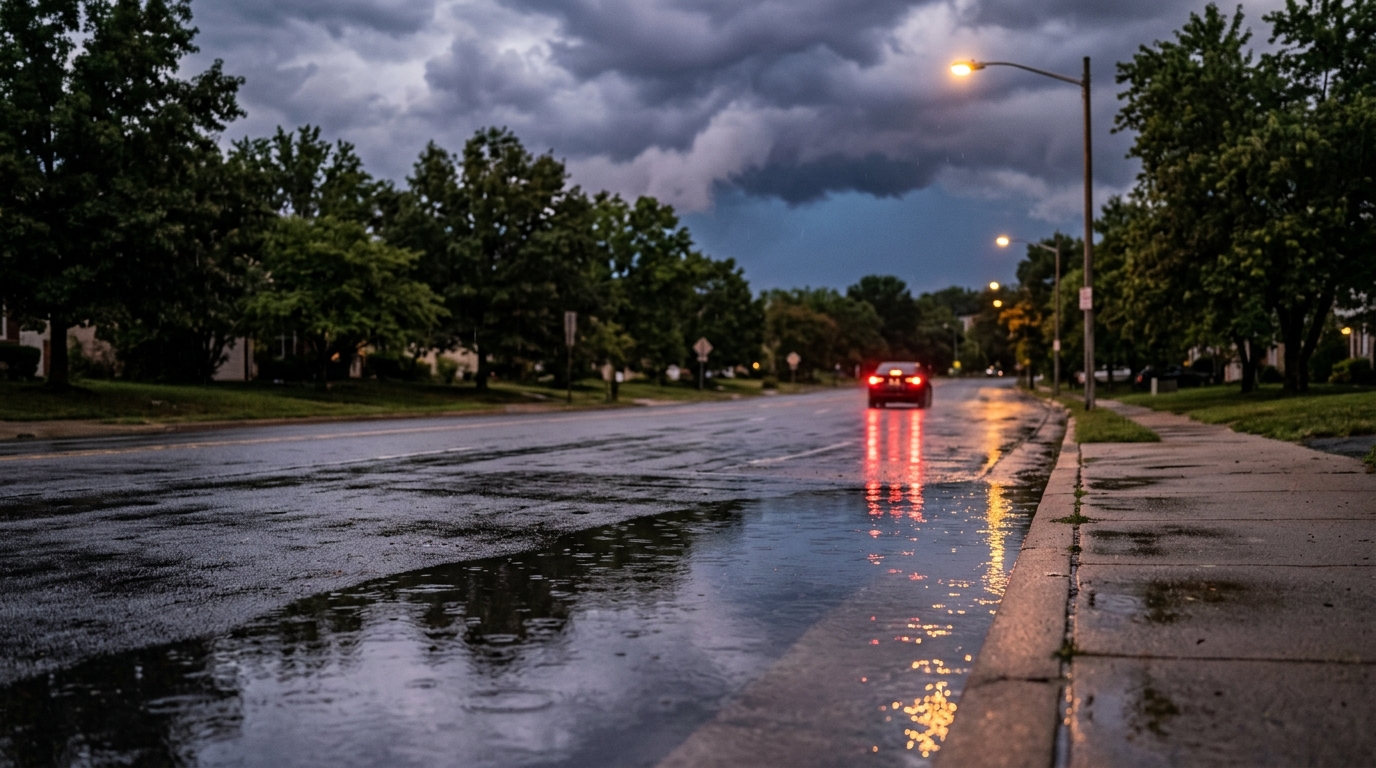
For the DMV, the key factor for seeing this August 2026 event will, as always, be the weather. August in our region can be a mixed bag, often characterized by hot, humid days and the potential for pop-up thunderstorms in the late afternoon or evening. These weather patterns can bring significant cloud cover, which would unfortunately obscure the view of the eclipse. However, clear summer nights are also common, offering optimal conditions for stargazing. Residents hoping to catch a glimpse should keep a close eye on local forecasts as the date approaches. A clear, moonlit night can transform familiar landmarks like the Washington Monument or the Capitol Building into stunning backdrops for the celestial event. Finding an open space away from bright city lights, such as a local park or a more rural area in Loudoun County or western Montgomery County, could significantly improve viewing opportunities. Even from a backyard in Arlington or a balcony in downtown DC, if the skies are clear, the partial eclipse should be visible.When and Where to Look
While specific times for the August 2026 partial lunar eclipse will become clearer closer to the date, the general window for lunar eclipses is typically during nighttime hours, when the moon is above the horizon. Since the source indicates an August 2026 event, it implies that the eclipse will be visible during the late evening or early morning hours for our time zone. To maximize your chances of seeing the eclipse, consider these tips: * **Check the Forecast:** A few days before the event, consult a reliable local weather forecast. The National Weather Service for Sterling, VA, provides detailed local predictions for the entire DMV. * **Find an Open Area:** Head to a spot with an unobstructed view of the sky, especially towards the moon's expected position. Parks like Rock Creek Park in DC, Great Falls Park, or various county parks in Maryland and Virginia often offer good vantage points away from immediate streetlights. * **Patience is Key:** Eclipses unfold gradually. Give yourself ample time to observe the moon as the Earth's shadow slowly creeps across its surface.A Community Affair
Astronomical events like these often bring communities together. Local astronomy clubs, such as the National Capital Astronomers, frequently organize public viewing sessions or provide guidance for optimal observation. These gatherings can turn a solitary viewing experience into a shared educational and social event, allowing enthusiasts and novices alike to learn more about the cosmos from experienced stargazers. For many, it's a chance to step away from the daily grind and marvel at the universe's grand scale. Whether you're a seasoned amateur astronomer with a high-powered telescope or simply someone who enjoys looking up at the night sky, a partial lunar eclipse offers a unique opportunity to connect with the cosmos right from our own backyards. As August 2026 approaches, keep an eye on local news and weather updates. With a bit of luck and clear skies, DMV residents could be treated to a memorable celestial display, a gentle reminder of the wonders beyond our terrestrial home.📍 Local Resources for Stargazers
A local astronomy club offering public lectures, star parties, and resources for stargazing in the DMV area.
Offers public programs, including planetarium shows and stargazing events, providing an excellent resource for learning about celestial phenomena.
Designated an International Dark Sky Park, offering some of the best stargazing opportunities in Northern Virginia, away from city light pollution.
Explore more on this topic
Related Stories
After 'Snowcrete': DC's Winter Preparedness Gets a Hard Look for Next Season
Chantilly's New CMP BowWow Unleashes Halloween Fun with Grand Opening Bash
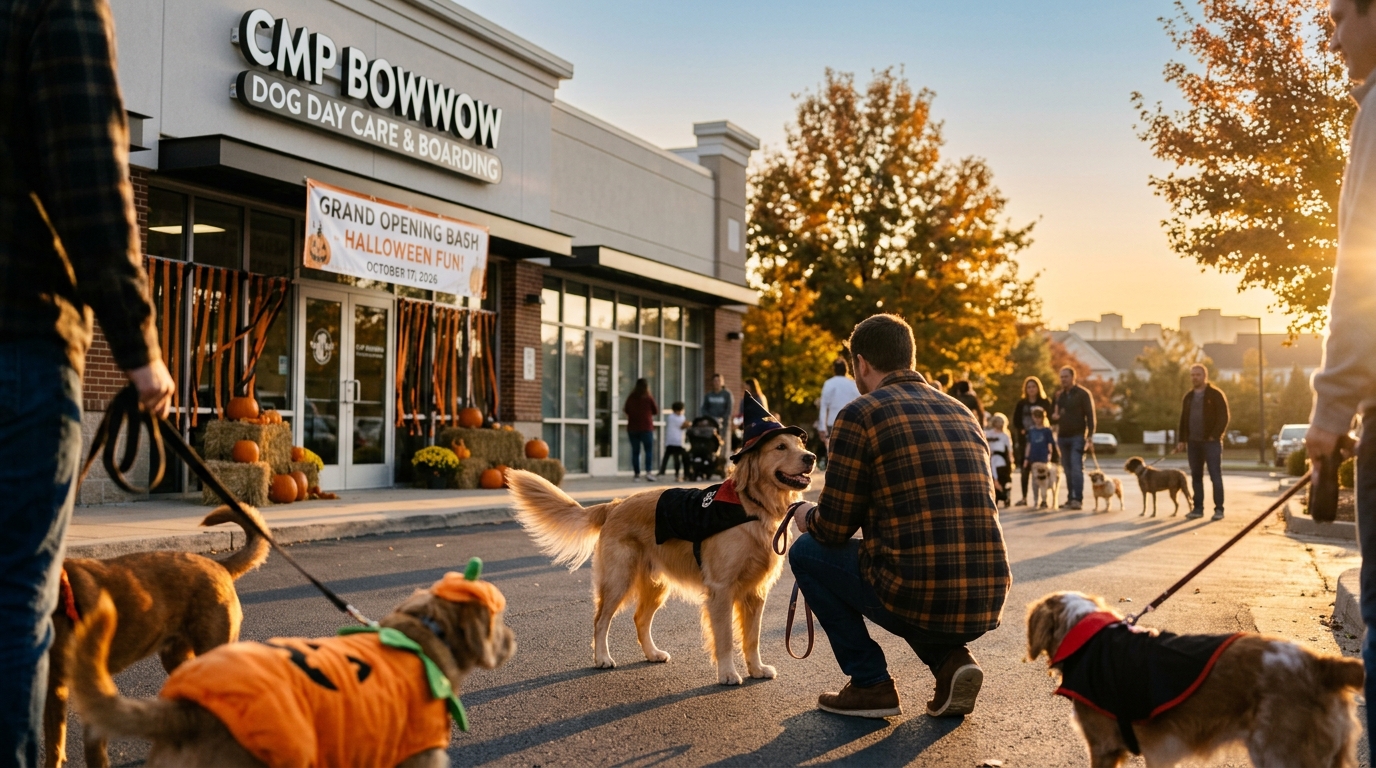
Chantilly's newest dog day care, CMP BowWow, is hosting a Halloween-themed grand opening party this Saturday, October 17, 2026, inviting local pet owners and their furry friends to celebrate.
Falls Church Arts Funding Under Scrutiny: Two Groups May Get City Support Despite Committee's Misgivings
Two Falls Church arts groups may receive city funding despite reservations from the city's arts committee, sparking discussion about local funding processes and the role of advisory bodies.