Defense Moves to Exclude Key Testimony in Virginia Murder Trial
Share this article

The Defense's Strategy: Muting Key Statements
At its core, the defense's motion aims to prevent specific statements made by Mamta Kafle Bhatt from being introduced as evidence during her husband's murder trial [1]. While the precise nature of these statements isn't detailed, such motions typically target testimony or prior declarations that the defense believes are either legally inadmissible, unreliable, or unfairly prejudicial to their client. This could include anything from conversations recorded by law enforcement, statements made to friends or family, or even prior testimony in related proceedings. Attorneys often file these motions to challenge the foundational elements of the prosecution's case. If granted, the exclusion of these statements could remove crucial pieces of the evidentiary puzzle that the prosecution intends to present to the jury. The legal argument behind such a motion often centers on rules of evidence, such as hearsay, which generally bars out-of-court statements offered to prove the truth of the matter asserted. However, there are numerous exceptions to the hearsay rule, and the judge will have to weigh the defense's arguments against the prosecution's counterarguments for admissibility.Navigating Virginia's Rules of Evidence
Virginia's legal landscape, like many states, operates under a stringent set of rules governing what evidence can be presented in court. These rules are designed to ensure fairness, reliability, and due process for all parties involved. When a defense team moves to exclude statements, they are often invoking specific provisions within the Virginia Code related to evidence or established legal precedents. One common ground for exclusion is the aforementioned hearsay rule. Imagine a scenario where Mamta Kafle Bhatt made a statement to a third party outside of court. If the prosecution tried to introduce that statement through the third party to prove its truth, the defense would likely object on hearsay grounds. However, if the statement was made as a "dying declaration," an "excited utterance," or a "statement against interest," it might fall under an exception and be deemed admissible. The judge’s decision will involve a careful consideration of these nuances. Beyond hearsay, other arguments for exclusion could involve claims that the statements were obtained in violation of constitutional rights, such as the Fifth Amendment's protection against self-incrimination or the Sixth Amendment's right to counsel. For instance, if the statements were made while the individual was in custody without proper Miranda warnings, a defense attorney could argue for their suppression. Defense teams might also contend that the statements are irrelevant, cumulative, or that their probative value is substantially outweighed by the danger of unfair prejudice to the defendant. The Virginia Judicial System provides comprehensive information on these procedures.Implications for the Prosecution and Trial Outcome
The prosecution's case in any murder trial relies heavily on a compelling narrative built from admissible evidence. If the defense succeeds in muting Mamta Kafle Bhatt's statements, it could significantly alter the prosecution's ability to present a complete picture to the jury. Depending on the content and importance of these statements, their exclusion could: * **Weaken the Narrative:** Critical details, timelines, or emotional context might be lost, making it harder for the prosecution to establish motive or a clear chain of events. * **Impact Credibility:** The statements might have been intended to corroborate other evidence or establish the credibility of witnesses. Their absence could create gaps. * **Force a Strategic Shift:** Prosecutors might need to pivot their strategy, relying more heavily on other forms of evidence such as forensic analysis, physical evidence, or other witness testimony. This motion underscores the adversarial nature of the justice system, where both sides meticulously scrutinize every piece of evidence. The judge, acting as the ultimate arbiter of the law, will hear arguments from both the defense and prosecution before making a ruling that could have profound consequences for the trial's outcome.The Human Element: Mamta Kafle Bhatt's Role
While the legal arguments are technical, the human element remains central. Mamta Kafle Bhatt is a key figure in this case, and her "words" are deemed important enough for the defense to actively seek their exclusion. Her connection to the accused as his wife suggests a complex relationship dynamic that could be central to understanding the circumstances surrounding the alleged crime. The nature of her statements—whether they are accusatory, provide alibis, or offer insight into the couple's relationship—will undoubtedly influence both the legal arguments and public perception. For those living in the communities affected by such tragic events, the courtroom becomes a focal point for understanding what happened and seeking accountability. The outcome of these evidentiary challenges often becomes a significant talking point in local communities, reflecting broader concerns about fairness and justice.What This Means for Virginia Residents
For residents across Virginia, especially those in the Northern Virginia region where court cases often draw significant public interest, this legal development serves as a reminder of the meticulous and often contentious process of a criminal trial. It highlights that a murder trial is not simply about presenting facts, but about legally demonstrating those facts within strict procedural boundaries. Understanding these legal maneuvers is crucial for appreciating the complexities of the justice system. The judge's decision on this motion will set a precedent for what evidence the jury can consider, directly influencing the path to a verdict. Residents should watch for further updates from the court, as the ruling on this motion will likely be a significant indicator of the trial's direction. The Virginia State Bar offers resources on legal proceedings and definitions for those interested in understanding the specifics of the law.📍 Local Resources
Provides support, information, and advocacy for victims and witnesses of crime in Virginia's criminal justice system.
Offers free legal assistance to low-income individuals and families on a range of civil legal issues, which may include aspects related to court proceedings.
Provides information on court schedules, case status, and general court procedures for cases in Fairfax County.
Explore more on this topic
Related Stories

Class-Action Lawsuit Challenges DHS's 'Arrest First, Ask Questions Later' Policy in Maryland
A class-action lawsuit has been filed in Maryland, challenging the Department of Homeland Security's alleged "arrest first, ask questions later" policy. This legal action could significantly impact how federal agencies operate in the DMV, raising concerns about civil liberties and due process for residents.
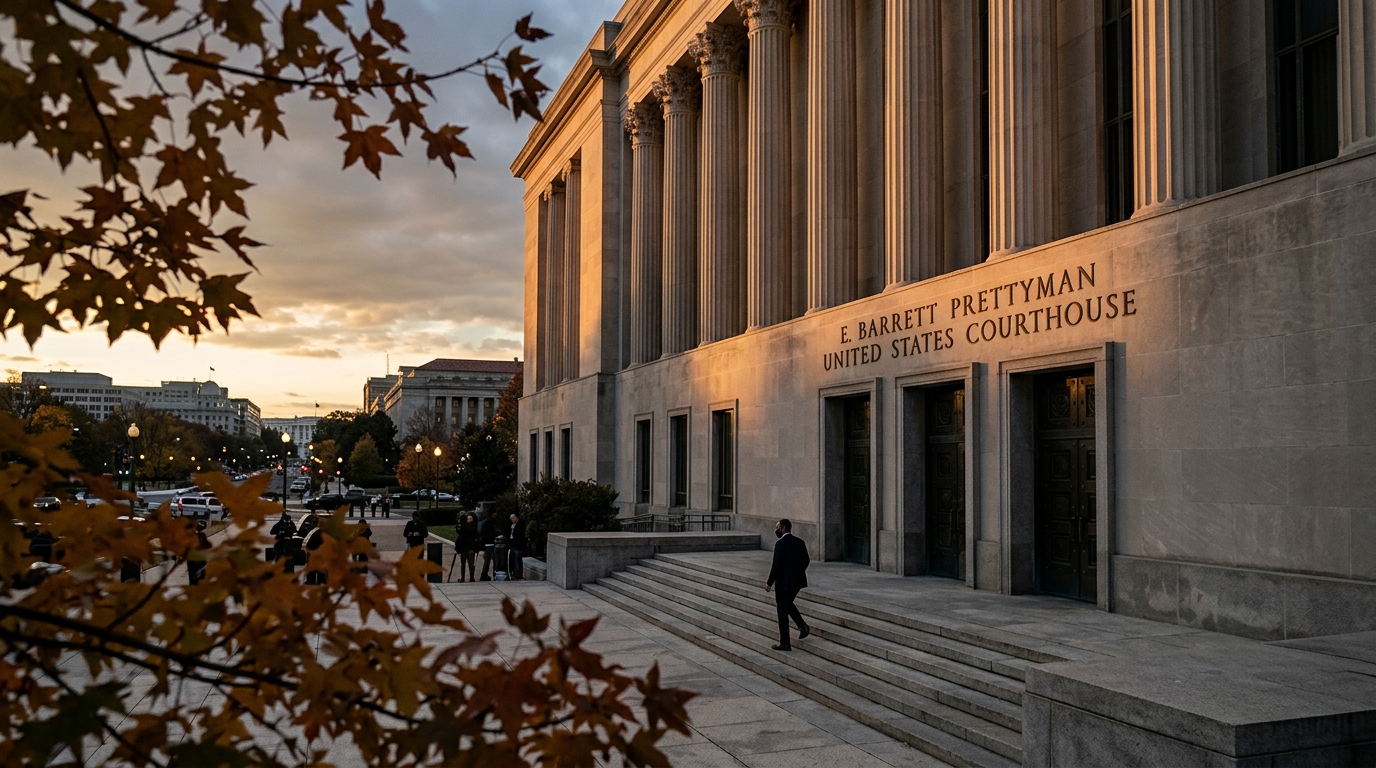
Quadruple Amputee Cornhole Player Faces Pretrial Hearing in DMV Murder Case
A local quadruple amputee and cornhole player is set to appear for a pretrial hearing in a murder case, sparking regional attention to this unusual and high-stakes legal proceeding in the DMV. The hearing marks a critical phase in a criminal justice process that carries profound implications for all involved.

Rockville Diner Group Sues Airport Concessionaire, Sparking Local Business Interest
A Rockville diner group has filed a lawsuit against an airport concessionaire, a move that highlights the intricate challenges and potential disputes faced by local businesses operating in high-traffic transportation hubs across the DMV. This legal action could have significant implications for commercial partnerships and the local business landscape.