Quadruple Amputee Cornhole Player Faces Pretrial Hearing in DMV Murder Case
Share this article
Understanding the Pretrial Process in the DMV
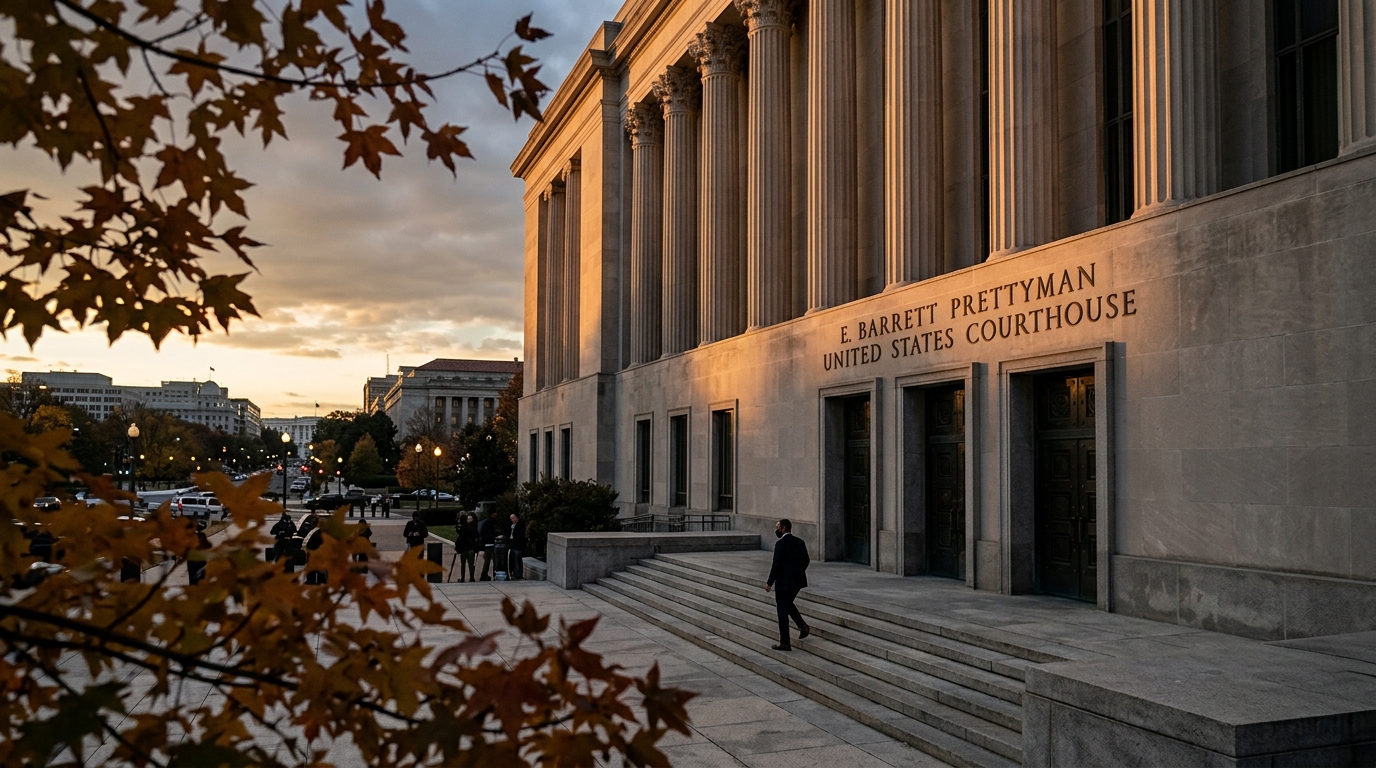
In the District of Columbia, Maryland, and Virginia, pretrial hearings serve a vital function in moving a criminal case towards resolution, whether through a plea agreement or a full trial. These proceedings are designed to address various issues before a jury is empaneled or a judge hears the full arguments. For instance, attorneys might file motions to suppress certain evidence, arguing that it was obtained illegally, or they might challenge the sufficiency of the charges themselves. The defendant's counsel will often use these hearings to gain a clearer understanding of the prosecution's case, identifying strengths and weaknesses. Conversely, prosecutors use this phase to solidify their arguments and prepare for the rigorous demands of a murder trial. The complexity of these hearings often depends on the specifics of the case, including the volume of evidence, the number of witnesses, and any unique circumstances surrounding the alleged crime. Residents can learn more about general court procedures through resources like the DC Superior Court website or the Maryland Courts system.The Unique Profile of the Defendant
What makes this particular case stand out, even amidst the constant churn of legal news in our bustling metropolitan area, is the defendant's distinct background. Identified as a quadruple amputee and a cornhole player, this individual’s profile adds an unusual dimension to an already grave charge. While such personal details do not bear on the facts of the alleged crime itself, they undeniably shape public perception and could introduce unique considerations within the courtroom. For instance, the physical condition of the defendant might necessitate specific accommodations during court proceedings, from accessible courtrooms to specialized seating. These logistical considerations are part of the broader commitment to ensuring a fair trial for all defendants, regardless of their physical abilities. The "cornhole player" aspect, while seemingly trivial in the face of a murder charge, highlights a public identity that might be explored by legal teams to establish character or context, though its relevance to the actual criminal allegations would be a matter for the court to determine.The Gravity of a Murder Charge
A murder charge is among the most serious accusations an individual can face within the legal system. It carries the potential for severe penalties, including lengthy prison sentences, reflecting society's profound condemnation of the unlawful taking of a human life. In the DMV, as in jurisdictions across the country, murder investigations are exhaustive, involving extensive forensic analysis, witness interviews, and meticulous evidence collection. The prosecution in a murder case bears the heavy burden of proving guilt beyond a reasonable doubt, a standard designed to protect the innocent. This typically requires presenting compelling evidence, often including motive, means, and opportunity, alongside any direct or circumstantial evidence linking the defendant to the crime. For the victim's family, these proceedings are a painful but necessary step in seeking justice and understanding what transpired. Resources for victims of violent crime are available through organizations like the Office for Victims of Crime.Navigating the Local Legal Landscape
While the precise location of this specific pretrial hearing hasn't been detailed in the initial report, the fact that FOX 5 DC is covering it places the proceedings firmly within the broader DMV region. This means the case will be handled by either the Superior Court of the District of Columbia, a Circuit Court in Maryland (such as in Montgomery or Frederick County), or a Circuit Court in Northern Virginia (like Fairfax or Arlington County). Each jurisdiction operates under its own specific rules and procedures, though the fundamental principles of justice remain consistent. The legal journey from accusation to resolution in a murder case is often protracted, stretching over months or even years. Pretrial hearings, though not the main event of a trial, are pivotal in streamlining this process, ensuring that when a trial does commence, it focuses efficiently on the core issues. It’s a testament to the methodical, though sometimes slow, pace of justice that every step is carefully considered. Further information on Virginia's court system can be found on the Virginia Circuit Court site. As the pretrial hearing for the quadruple amputee cornhole player accused in a murder case moves forward, the DMV community will be watching closely. These proceedings are more than just legal formalities; they are a reflection of our collective commitment to justice and due process. The outcome of this hearing, and the subsequent path of the case, will have significant implications for all involved, from the defendant to the families seeking answers.📍 Local Resources
Free, confidential support and resources for victims of crime in Washington, DC.
Provides legal services, advocacy, and support to victims of crime in Maryland.
Financial assistance and support for victims of violent crime in Virginia.
Explore more on this topic
Related Stories

Maryland Voters in the Dark on Judicial Elections? One Advocate Wants Brighter Transparency
A Maryland advocate is pushing for greater transparency in judicial elections, arguing that voters are often left "in the dark" when selecting Circuit Court judges. This issue affects how justice is administered across the state.

Navigating the Labyrinth: What Self-Representation Could Mean for a Loudoun County Murder Trial
A Loudoun County murder trial could see the defendant, a husband accused in the case, representing himself. This decision creates complex challenges for the local court, prosecution, and the defendant, requiring specific judicial workarounds.
Baltimore Judge Hopes Two-Month Sentence Deters Mortgage Fraud Across the City
A Baltimore judge has sentenced Alexander Schultz to two months for mortgage fraud, explicitly stating the hope that this punishment will deter future financial crimes in the city's real estate market. The ruling highlights the judiciary's commitment to safeguarding housing integrity and underscores the severe consequences of fraudulent activities.