Class-Action Lawsuit Challenges DHS's 'Arrest First, Ask Questions Later' Policy in Maryland
Share this article

Understanding the Allegations
At the heart of the complaint is the plaintiffs' assertion that DHS components have adopted a systemic approach prioritizing apprehension over thorough investigation. This alleged "arrest first, ask questions later" mentality, as described by those bringing the suit, suggests that individuals are detained on minimal suspicion, with the burden then falling on them to prove their innocence or eligibility for release. Such a policy, if proven, would contradict established legal standards requiring probable cause for arrest and adherence to due process rights. The Department of Homeland Security is a massive federal agency with a wide-ranging mission, from border security to cybersecurity, and its operations routinely intersect with the lives of millions of Americans and non-citizens. Its various agencies, including CBP and ICE, are tasked with enforcing immigration laws, securing borders, and preventing terrorism. However, critics argue that aggressive enforcement tactics can sometimes overstep constitutional boundaries, leading to human rights abuses and civil rights violations. This lawsuit puts those alleged practices under a legal microscope, specifically within the Maryland jurisdiction.Why a Class-Action Lawsuit?
A class-action lawsuit is a legal procedure where one or several individuals sue on behalf of a larger group of people who have similar claims against the same defendant. This legal mechanism is often employed when the alleged harm is widespread but individual damages might be too small to warrant separate lawsuits, or when the issue affects a large, identifiable class of people who share common legal questions. In this instance, a class action allows multiple individuals who believe they have been unjustly detained under the alleged DHS policy to collectively seek redress, strengthening their collective voice and leveraging shared legal resources. The decision to pursue a class-action status underscores the belief that the alleged "arrest first, ask questions later" policy isn't an isolated incident but a systemic issue affecting numerous individuals. By consolidating these claims, the lawsuit aims to achieve a broader impact, not just for the named plaintiffs but for potentially thousands of others who may have experienced similar detentions. This approach also allows the court to issue a ruling that could mandate changes to DHS policy across the board, rather than simply addressing individual grievances one by one.Implications for Maryland Residents and the DMV
While filed in Maryland, the implications of this lawsuit extend throughout the DMV region. Federal agencies like DHS operate across state lines, and their policies can affect residents and visitors in Washington, D.C., and Northern Virginia just as readily as those in Maryland. Many federal employees who work for DHS also reside in the DMV, and the legal precedent set by this case could influence future interactions between federal law enforcement and the public. For Maryland residents, particularly those in communities with diverse populations, this lawsuit highlights the importance of understanding their rights when interacting with federal agents. If the court finds in favor of the plaintiffs, it could lead to stricter guidelines for arrests and detentions by DHS components, potentially offering greater protections against arbitrary actions. This could mean more transparent procedures, clearer communication regarding the reasons for detention, and a stronger emphasis on due process from the outset of an encounter.The Legal Road Ahead
The path of a class-action lawsuit can be lengthy and complex. Initially, the court will need to certify the class, determining if there are enough individuals with similar claims to proceed as a class action. This involves establishing common questions of law or fact among the proposed class members. Once certified, the case will move through discovery, where both sides exchange information and evidence. This phase often includes depositions, document requests, and expert testimony. Should the case proceed, it could culminate in a trial, or it might be resolved through settlement negotiations. A successful outcome for the plaintiffs could result in various forms of relief, including monetary damages for those who were wrongfully detained, as well as injunctive relief — a court order mandating changes to DHS policies and practices. Such an injunction could force the agency to revise its arrest protocols, provide additional training to its agents, or implement new oversight mechanisms to ensure constitutional compliance. The federal court system handles a wide range of civil cases, including those challenging government agency actions.Civil Liberties at Stake
This lawsuit touches upon core principles of civil liberties and due process, rights enshrined in the U.S. Constitution. The Fourth Amendment protects individuals from unreasonable searches and seizures, requiring probable cause for arrests. The Fifth Amendment guarantees due process, ensuring fair treatment through the judicial system. Plaintiffs in this case are essentially arguing that the alleged "arrest first, ask questions later" policy violates these fundamental protections. Advocacy groups like the ACLU of Maryland frequently engage in litigation and public education to uphold civil rights, often highlighting cases where government actions are perceived to infringe upon individual freedoms. While not directly involved in this specific filing according to current information, their work provides context for the broader legal landscape in which such lawsuits are brought. The outcome here could set important precedents for how federal agencies balance national security concerns with individual rights, particularly in a region like the DMV, which is home to numerous federal installations and a large population of federal employees. The Department of Homeland Security, through its various components like Customs and Border Protection and Immigration and Customs Enforcement, plays a critical role in national security. However, the legal system provides avenues for accountability when government power is challenged. This class-action lawsuit represents one such avenue, seeking to ensure that enforcement actions are conducted within the bounds of the law and respect for individual rights. The plaintiffs' attorneys will need to demonstrate a pattern or practice by DHS that consistently led to these alleged violations, establishing that the policy is indeed systemic rather than a series of isolated incidents. The legal community and civil rights advocates in Maryland will be closely watching the progression of this case. Its resolution could either affirm the current operational methods of federal agencies or compel significant reforms in how they interact with the public, particularly concerning arrests and detentions. For residents across the DMV, understanding the outcome of this lawsuit will be crucial in navigating their rights and responsibilities when encountering federal law enforcement.📍 Local Resources
Advocates for civil rights and liberties, offering legal resources and information for those whose rights may have been violated.
Provides free civil legal services to low-income individuals in Maryland, including assistance with civil rights issues.
While not Maryland-specific, NILC provides resources and legal analysis on immigration law and civil rights for immigrants, which can be relevant for those affected by DHS policies.
Explore more on this topic
Related Stories
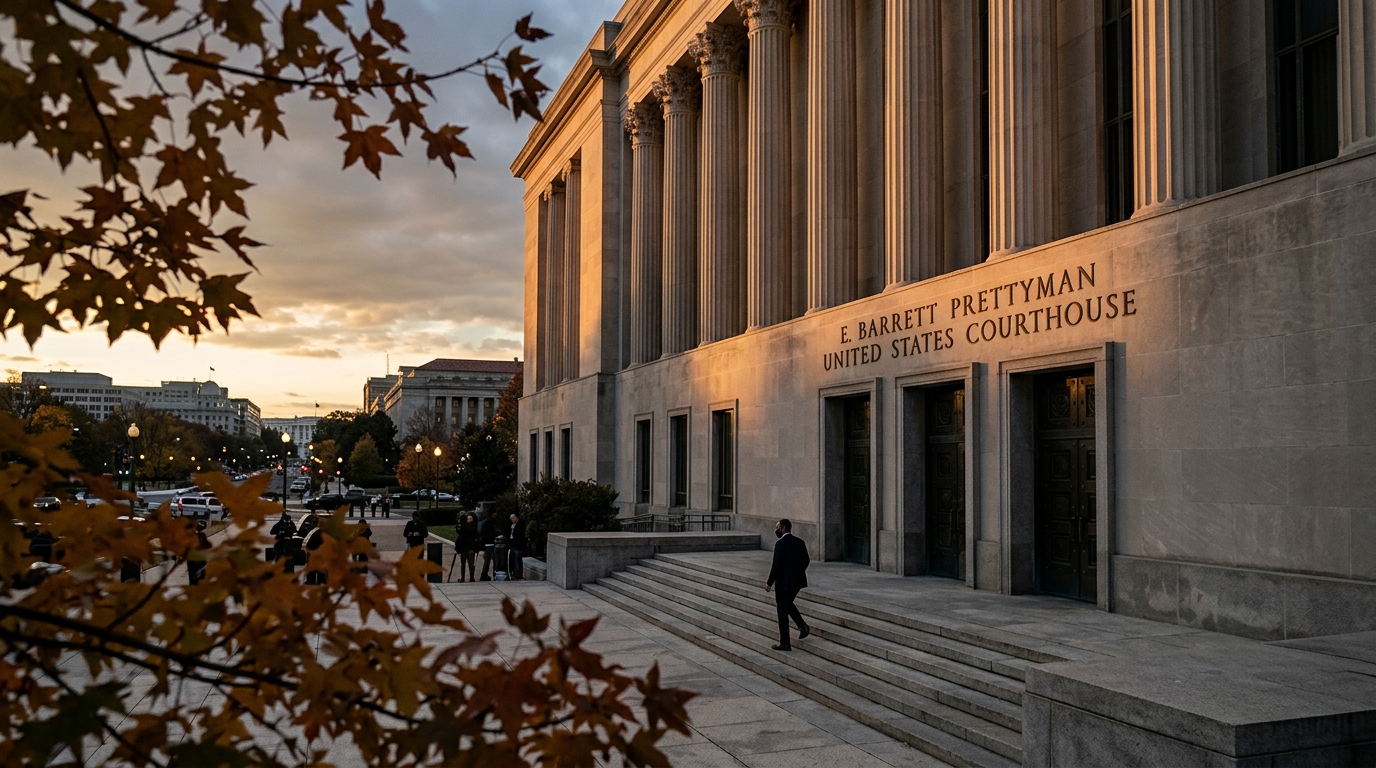
Quadruple Amputee Cornhole Player Faces Pretrial Hearing in DMV Murder Case
A local quadruple amputee and cornhole player is set to appear for a pretrial hearing in a murder case, sparking regional attention to this unusual and high-stakes legal proceeding in the DMV. The hearing marks a critical phase in a criminal justice process that carries profound implications for all involved.

Rockville Diner Group Sues Airport Concessionaire, Sparking Local Business Interest
A Rockville diner group has filed a lawsuit against an airport concessionaire, a move that highlights the intricate challenges and potential disputes faced by local businesses operating in high-traffic transportation hubs across the DMV. This legal action could have significant implications for commercial partnerships and the local business landscape.
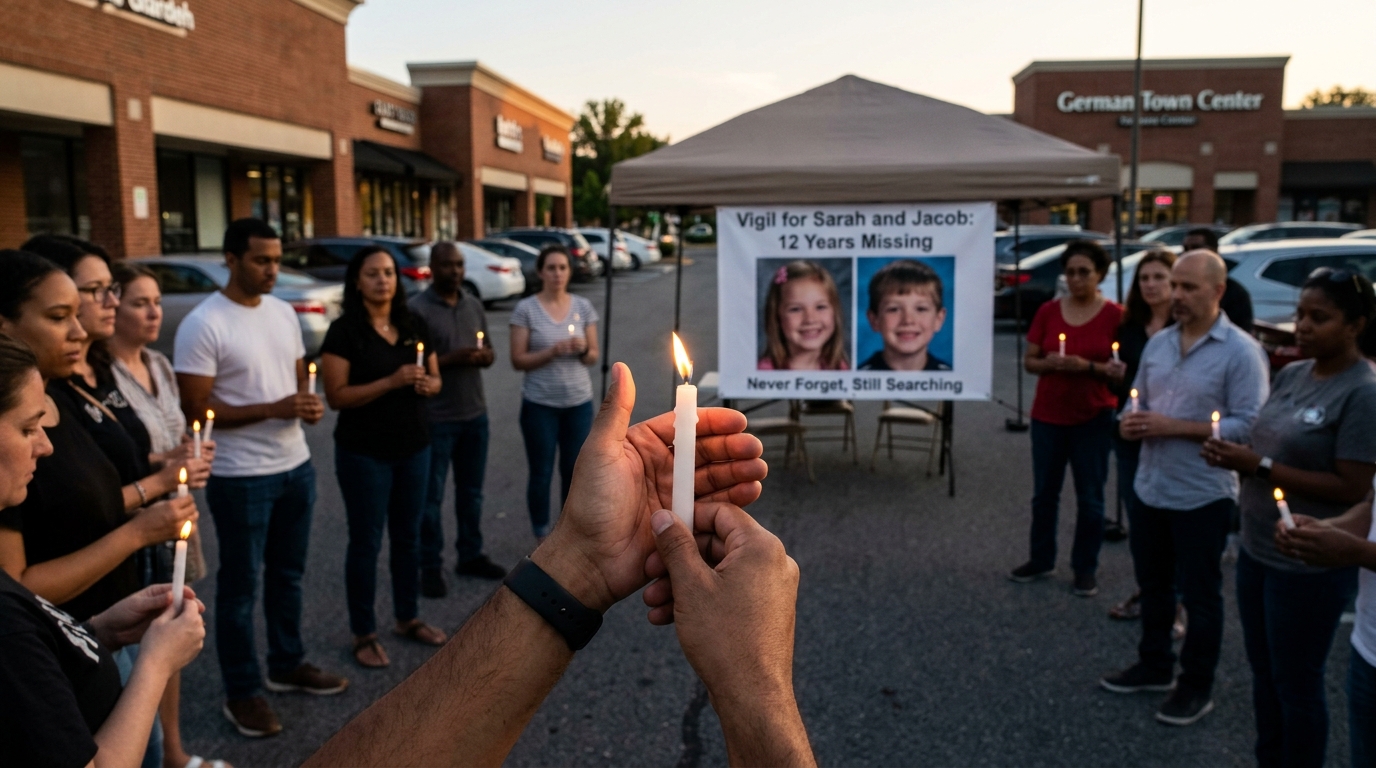
Candles Shine in Germantown: 12 Years Since Sarah and Jacob Hoggle Vanished, Mother's Trial Nears
A candlelight vigil was held in Germantown, marking 12 years since Sarah and Jacob Hoggle vanished. Their father, Troy Turner, spoke of the enduring pain as their mother, Catherine Hoggle, faces an upcoming murder trial.