DC Gears Up for Major Robotaxi Study Release This Summer, Paving Way for Future Transit
Share this article
Understanding the Robotaxi Landscape
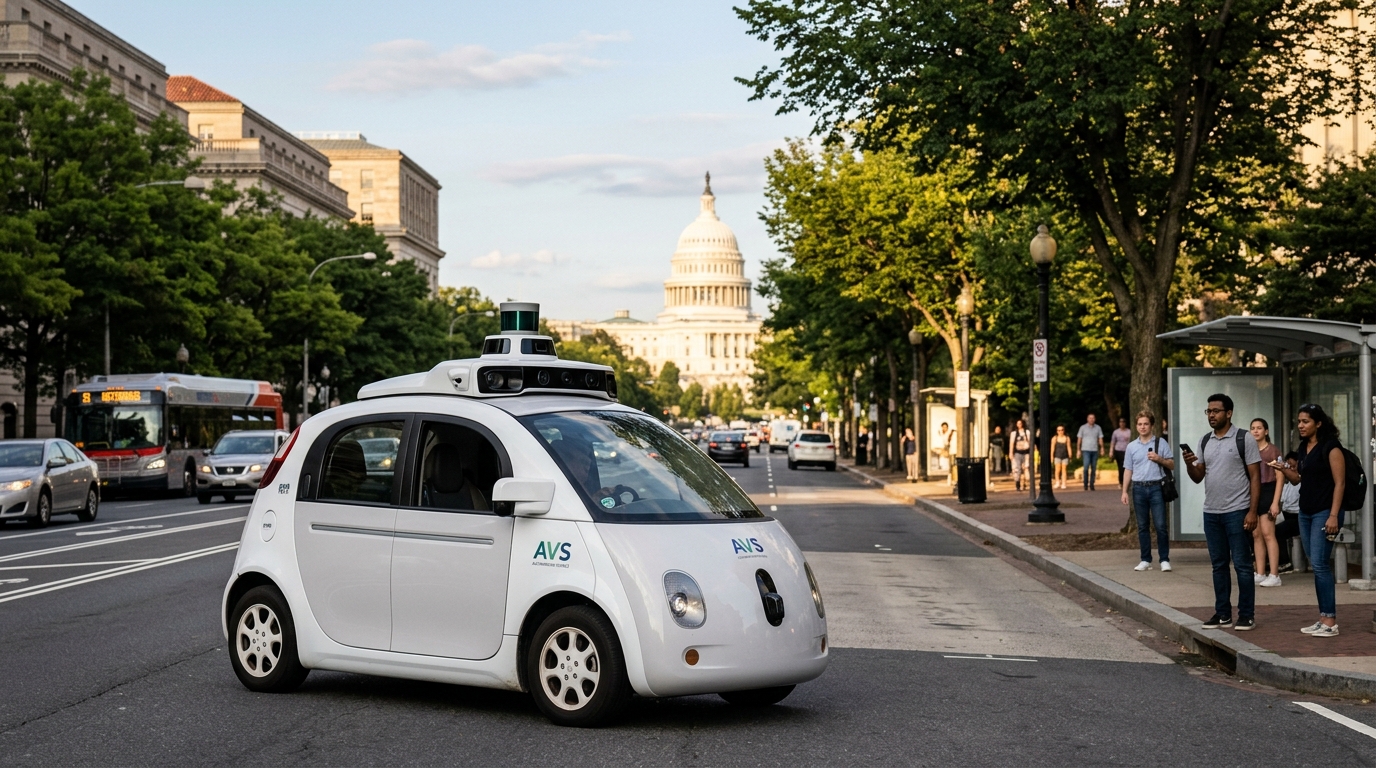
A comprehensive study on robotaxis typically delves into a multitude of factors that go far beyond just the mechanics of the cars themselves. It's expected to explore the potential impacts on traffic congestion, an ever-present headache for anyone navigating the District's streets, whether it's gridlock on the 14th Street Bridge or the rush around Capitol Hill. Researchers would likely examine how a fleet of autonomous vehicles might alter commute times, parking demand, and the overall flow of vehicles through DC's historic and often narrow roadways. The District Department of Transportation (DDOT), which oversees the city's infrastructure, would be a key player in interpreting these findings.Economic and Equity Implications for DC Residents
The introduction of robotaxis also carries significant economic implications for the District. One of the most talked-about aspects is the potential impact on jobs, particularly for those in the traditional taxi and ride-share industries. The study is expected to consider workforce displacement and potential retraining programs, ensuring a just transition for affected workers. It's not just about job losses, though; it's also about potential new job creation in areas like maintenance, fleet management, and software development for these new services. Equity is another critical lens through which DC officials will likely view the study's findings. How will robotaxis serve all communities, not just the most affluent? Will they improve accessibility for residents with disabilities, or will they create new barriers? Ensuring that any future robotaxi deployment enhances mobility for all Washingtonians, from Ward 8 to Ward 3, will be a central challenge. The District has long prioritized equitable access to services, and this transportation shift will be no different. Information on the District's broader transportation goals can often be found on DC.gov's official website.Looking Ahead: What Does This Mean for the District?
The release of this robotaxi study marks a pivotal moment for Washington, D.C. It signals the city's proactive approach to emerging technologies, rather than waiting for them to simply arrive. While the specifics of the study's recommendations remain under wraps until its summer release, residents can expect a detailed analysis that will inform future policy decisions regarding autonomous vehicles. This isn't just a theoretical exercise; it's about preparing the District for a future that's already taking shape in other major cities. For those interested in the broader context of autonomous vehicle development, academic institutions like Virginia Tech's Transportation Institute often publish research on the societal impacts of such technologies. As summer approaches, keep an eye out for the official release from the District, as it will surely spark important conversations about the future of getting around in our nation's capital. The findings will dictate how quickly, and under what conditions, driverless cars might become a common sight on our streets, fundamentally altering the fabric of urban transit for years to come.Explore more on this topic
Related Stories
Georgetown Medical Students Embrace Virtual Reality for Enhanced Surgical Training
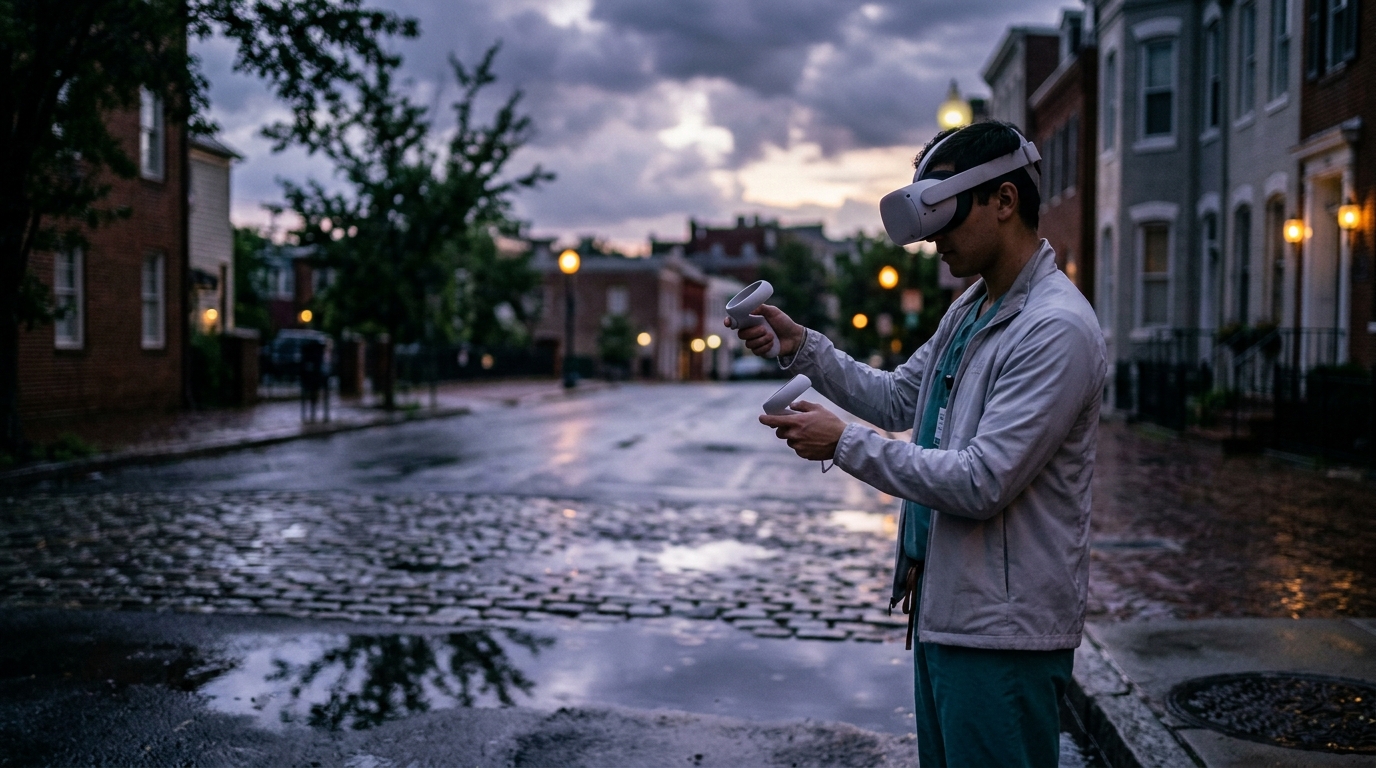
Georgetown University medical students are now getting crucial extra practice with surgical procedures through virtual reality, a move that could reshape how the next generation of doctors is trained in the DMV. This innovative approach offers aspiring surgeons unlimited, risk-free repetition to hone their skills.
Fairfax County Data Scientist Unveils New App for Reliable EV Charger Information
A Fairfax County data scientist has launched a new app designed to provide reliable, real-time information about public electric vehicle (EV) chargers, addressing a major pain point for drivers across the DMV.
Goddard Scientists Prepare for Historic Roman Telescope Launch This Weekend
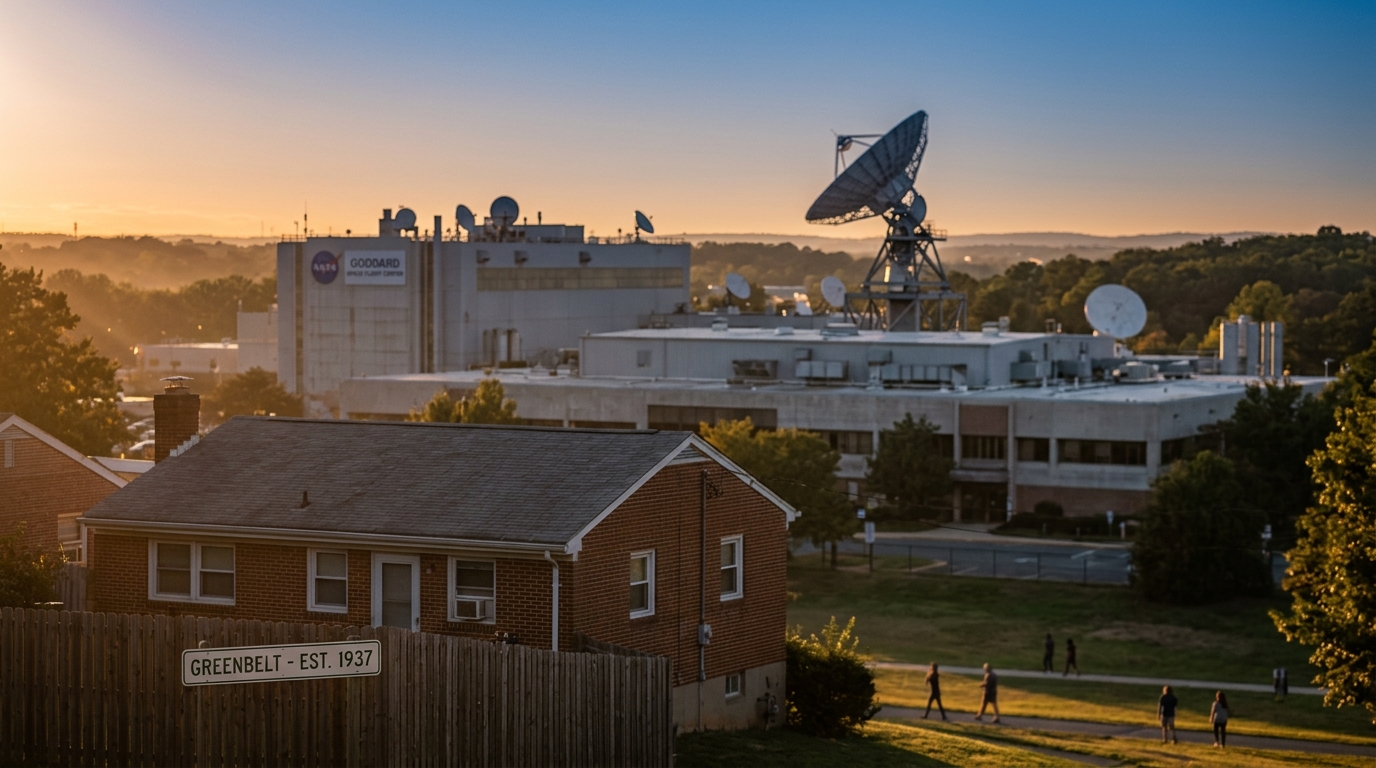
NASA's Nancy Grace Roman Space Telescope, a mission largely developed by scientists at Goddard Space Flight Center in Greenbelt, Maryland, is set to launch this weekend. It aims to unravel mysteries of dark energy, dark matter, and exoplanets using innovative "star glasses" and cosmic time-lapse technology, continuing the legacy of flagship space observatories.