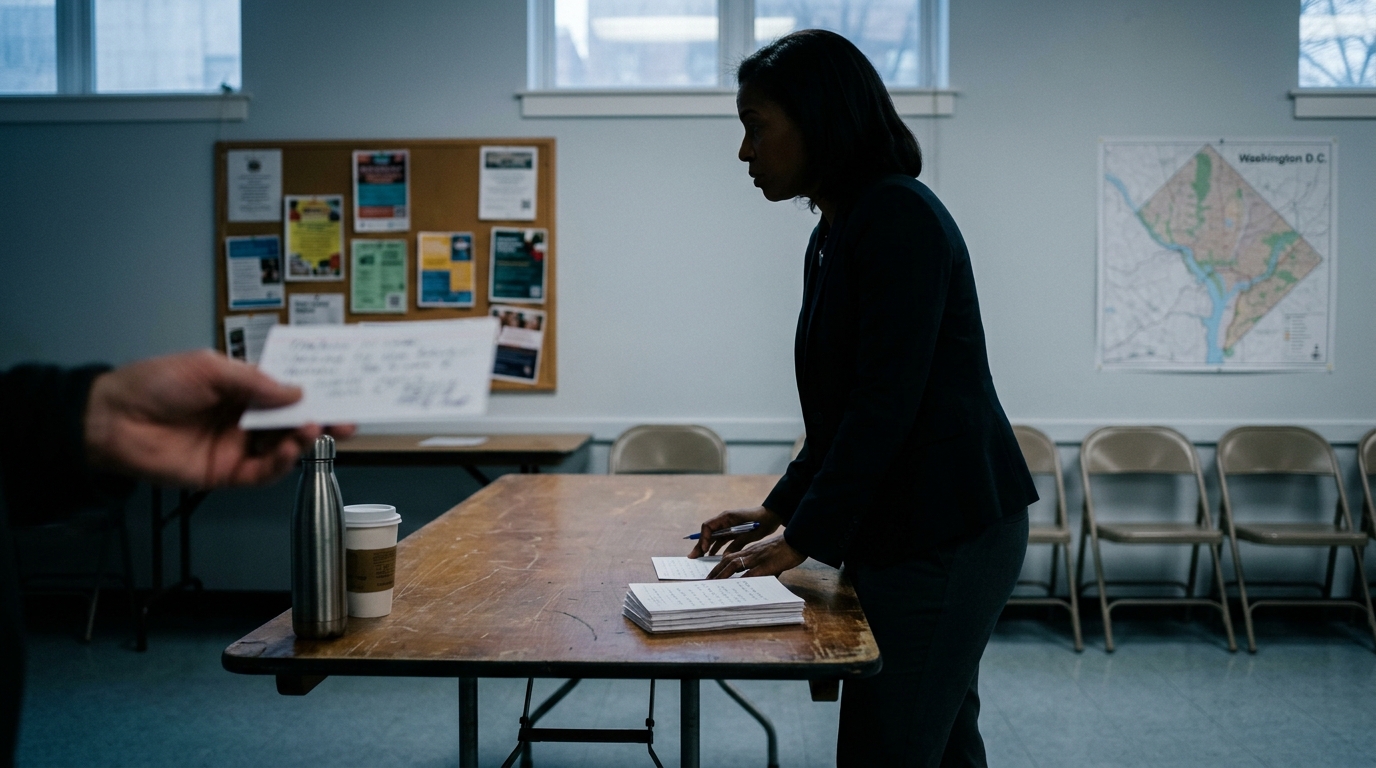
Stepping into neighborhoods across the District, Lewis George, D.C.'s presumptive mayor, has been getting an unfiltered earful from residents about the city's most pressing concerns. From the state of local health care to the pervasive problem of potholes and the persistent presence of rats, the issues raised during her "listening tour" are a stark reminder of the daily realities facing Washingtonians. This direct engagement, a familiar sight in local politics, offers a glimpse into the challenges and priorities awaiting the city's next leader. George's self-styled tour, meticulously planned with events in each of D.C.'s eight wards, is more than just a series of meet-and-greets; it's a strategic move to connect directly with the diverse communities that make up the District. As the presumptive mayor, a title often earned after a decisive primary victory in a heavily Democratic city like Washington, George is using these gatherings to gauge the pulse of the city before officially taking office. It's a critical period for shaping an agenda that truly reflects the needs of the people she's set to serve, according to
The Washington Post.
Lewis George’s self-styled “listening tour,” with events planned in each of D.C.’s eight wards, echoes a familiar variety of political stagecraft.
### An Unvarnished Look at Urban Life The feedback George has encountered isn't sugar-coated. Residents are holding nothing back, articulating frustrations that span the spectrum of urban living. Healthcare access and quality remain top concerns, especially in wards that have historically faced disparities in medical services. Many residents struggle with navigating complex systems or finding affordable care close to home. These conversations underscore the ongoing need for robust public health initiatives and equitable distribution of resources, a challenge the
DC Department of Health consistently works to address. Infrastructure, too, is a sore point. Potholes, a perennial complaint in any major city, are more than just an inconvenience; they're a hazard for drivers, cyclists, and pedestrians alike, contributing to vehicle damage and potential accidents. The discussions also touched on the city's ongoing debate surrounding bike lanes, an issue that often pits different modes of transportation against each other in the fight for limited street space. Balancing the needs of all road users while promoting sustainable transport is a delicate act for the
District Department of Transportation. And then there are the rats. A persistent and unwelcome presence in many neighborhoods, rodent control is a quality-of-life issue with public health implications. Coupled with concerns about trash collection and illegal dumping, these discussions highlight the fundamental need for efficient and effective public works services. The city’s efforts to manage waste and pests are often direct indicators of neighborhood health and cleanliness, tasks primarily handled by the
DC Department of Public Works. ### Engaging D.C.'s Diverse Wards D.C.'s eight wards are as diverse as the city itself, each with its unique demographic, economic, and social characteristics. From the bustling commercial corridors of Ward 2 to the residential neighborhoods east of the Anacostia River in Wards 7 and 8, the challenges and priorities can vary significantly. A listening tour that spans all these areas is crucial for a leader aiming for truly city-wide representation. It acknowledges that a one-size-fits-all approach rarely works and that local solutions often require deep understanding of specific community needs. For instance, while a resident in Ward 3 might emphasize concerns about park maintenance or school funding, someone in Ward 5 might prioritize affordable housing and small business support. The common thread, however, is a desire for responsive governance and tangible improvements to daily life. This comprehensive approach to engagement allows George to build a nuanced picture of the city's landscape, identifying both universal frustrations and ward-specific issues that demand tailored attention. ### The Art of Political Stagecraft The term "political stagecraft," as used to describe George's tour by
The Washington Post, isn't necessarily a criticism. It acknowledges that such tours, while genuinely intended to gather feedback, also serve an important political function. They allow a leader to demonstrate accessibility, empathy, and a willingness to engage directly with constituents. For a presumptive mayor, this stagecraft can be vital for building trust, setting expectations, and signaling policy directions even before formal power is assumed. It's a delicate balance: appearing authentic and genuinely receptive to criticism, while also subtly shaping the narrative around future policy. These events are opportunities for residents to feel heard, to voice their grievances directly to the person who will soon hold the reins of power. For George, it's an invaluable opportunity to identify key advocates, understand community dynamics, and prepare for the complex governance challenges ahead. ### What This Means for D.C. Residents For residents across Washington, D.C., Lewis George's listening tour signals a crucial moment for civic engagement. It's a chance for their voices to directly influence the priorities of the incoming mayoral administration. The issues raised – from healthcare to infrastructure and sanitation – are not abstract policy debates; they are the bedrock of daily life. Improvements in these areas would directly translate to better health outcomes, safer commutes, cleaner neighborhoods, and a higher quality of life for everyone in the District. Residents should pay close attention to how George's policy proposals, once fully unveiled, reflect the feedback she's gathered during these tours. Will the budget allocations prioritize public health initiatives in underserved wards? Will there be aggressive new strategies for pothole repair and rodent control? The effectiveness of this "listening" will ultimately be measured by the actions taken once George is in office. This period of direct feedback is a critical opportunity for D.C. residents to shape their city's future trajectory. As Lewis George continues her tour and transitions into her role as mayor, the city will be watching closely to see how these candid conversations translate into actionable plans. The challenges are significant, but the direct engagement with residents offers a foundation for an administration truly rooted in the needs of the community. The expectation is clear: listen now, act later.
📍 Local Resources
DC 311 - City Services Request Line
Report non-emergency city issues like potholes, trash collection problems, rodent sightings, and more.
📞 Phone:
311 (or 202-737-4404 from outside DC)
🕐 Hours: 24/7
DC Department of Health (DC Health)
Information on public health services, clinics, and health programs for D.C. residents.
📍 Location: 899 North Capitol Street NE, Washington, DC 20002
🕐 Hours: Mon-Fri 8:15am-4:45pm
DC Department of Public Works (DPW)
Information and services related to solid waste management, sanitation, and street cleaning.
📍 Location: 2000 14th Street NW, 6th Floor, Washington, DC 20009
🕐 Hours: Mon-Fri 8:30am-5pm