DC's Mayor-Elect Readies for 'The Big Leagues,' Eyes Crime and Budget Challenges
Share this article

The Road Ahead: Tackling DC's Pressing Issues
The transition period for any incoming administration is critical, setting the tone for the next four years. For the mayor-elect, the focus appears to be squarely on demonstrating a firm grasp of the city's foundational problems and a proactive approach to solving them. This isn't just about rhetoric; it's about preparing for the intense scrutiny and complex decision-making that come with leading a major metropolitan area. The scale of the task isn't lost on anyone, least of all the new leader."This is the big leagues." — DC Mayor-Elect (WTOP)This statement, made shortly after the election, underscores the gravity of the position and the high expectations from the electorate. Residents want to see tangible progress, not just promises. The city's budget, for instance, is a complex web of federal allocations, local tax revenues, and competing departmental needs, all overseen by the District's Chief Financial Officer. Balancing these elements while funding essential services and addressing rising costs is a perennial challenge.
Confronting the Crime Crisis
Public safety remains a top-of-mind issue for many living and working in the District. From the retail corridors of Georgetown to the residential blocks of Anacostia, residents frequently voice concerns about carjackings, property crime, and violent incidents. The mayor-elect's emphasis on crime suggests an understanding of its pervasive impact on community well-being and economic vitality. Addressing crime isn't a simple fix; it involves a multi-pronged approach that typically includes strengthening law enforcement, investing in community-based violence prevention programs, and addressing root causes like poverty and lack of opportunity. The Metropolitan Police Department's crime data regularly highlights areas of concern, and any effective strategy will need to be data-driven and responsive to specific neighborhood needs.Navigating Fiscal Realities
The District's budget is a beast of its own, subject to federal mandates, the ebb and flow of the local economy, and the ever-present demands for social services, infrastructure improvements, and education funding. The mayor-elect's commitment to tackling the budget signals an understanding that the city's ambitious goals — including those related to crime reduction — hinge on sound financial management. DC operates under a unique fiscal structure, with Congress retaining a degree of oversight, though local autonomy has grown significantly over the years. This means the mayor and City Council must navigate not just local priorities but also sometimes the whims of federal lawmakers. Managing the city's finances effectively requires tough choices, careful prioritization, and a clear vision for how taxpayer dollars will be spent. The Office of the Chief Financial Officer provides detailed reports on the city's financial health, which will be crucial for the new administration to review and act upon. The budget isn't just about numbers; it reflects the city's values and priorities. Decisions about funding for schools, public transit, affordable housing initiatives, and health services directly impact the lives of hundreds of thousands of residents. The mayor-elect's readiness to engage with these fiscal realities suggests an understanding that every policy goal has a price tag, and that sustainable progress requires a strong financial foundation. This could mean looking at revenue diversification, optimizing existing programs for efficiency, or advocating for increased federal support where appropriate.What This Means for DC Residents
For residents across the District, the mayor-elect's early statements are more than just political posturing; they're a preview of the priorities that will shape their daily lives. A focused approach to crime could mean more visible policing, new community programs, or changes in how the city responds to public safety incidents. On the budget front, it could involve difficult conversations about taxes, service levels, and where the city chooses to invest its resources. Residents should pay close attention to the mayor-elect's appointments, particularly to key roles like the Police Chief and the Deputy Mayor for Operations. These individuals will be instrumental in translating the mayor-elect's vision into actionable policy. Furthermore, engagement with the City Council will be vital, as many of the mayor's proposals will require legislative approval and collaboration. The next few months will be crucial in observing how these initial statements translate into concrete proposals and, eventually, into real change for the neighborhoods and communities that make up the nation's capital.📍 Local Resources
For non-emergency police assistance and information on community policing initiatives.
Provides public access to DC's financial reports, budget information, and economic forecasts.
Offers support and resources for victims of crime in the District, including referrals for counseling and legal aid.
Explore more on this topic
Related Stories

Montgomery County Executive-Elect Forms Transition Team for Smooth Handover
The Montgomery County Executive-elect has officially unveiled a transition team, signaling a crucial step in preparing for a smooth transfer of power. This team will assess county operations and lay groundwork for the new administration's priorities, impacting residents across the county from Silver Spring to Rockville.
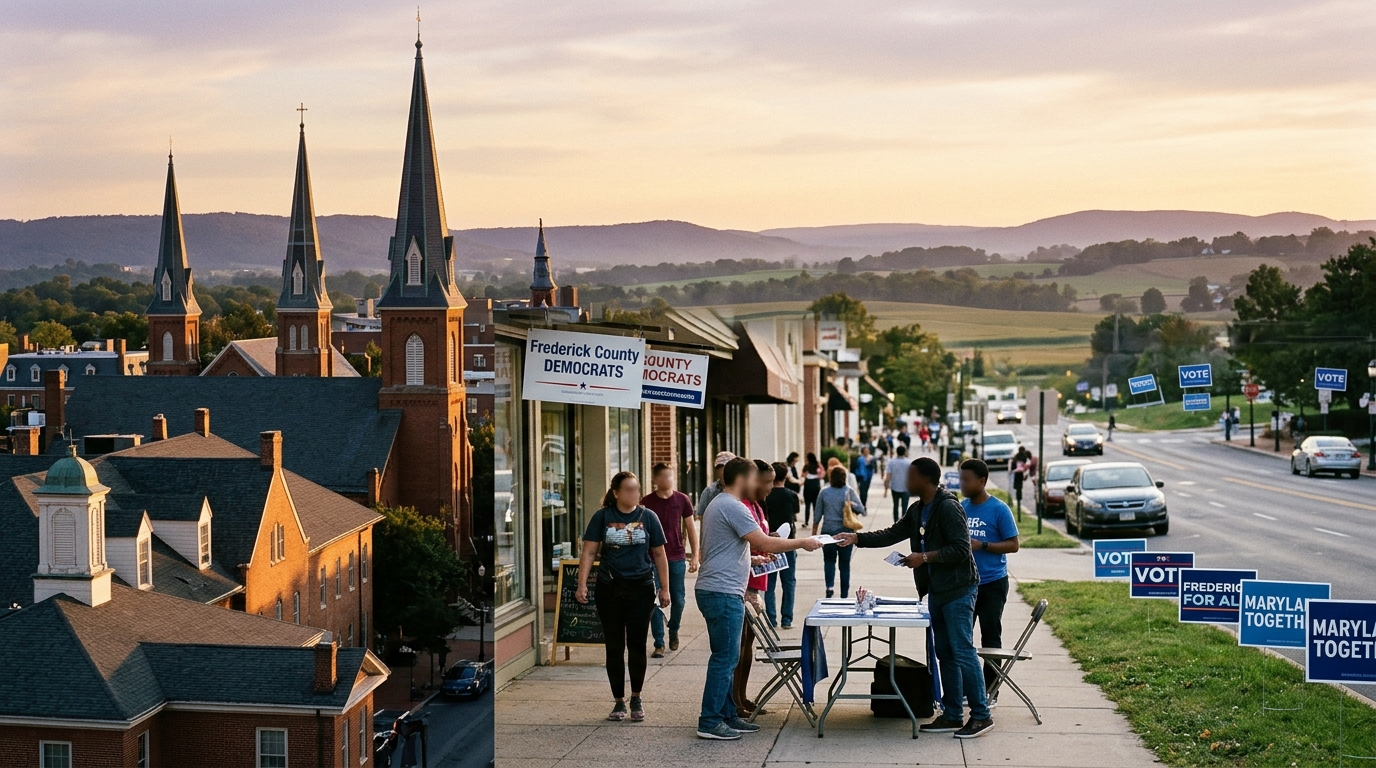
Maryland's Political Map Shifts: Democrats Expand Reach from Frederick to the Eastern Shore
Democrats are reportedly expanding their political reach across Maryland, pushing a "blue wave" into areas like Frederick County and the Eastern Shore. This shift signals a significant transformation in the state's political landscape, potentially leading to more unified legislative action and impacting local governance across the DMV region.

Dominion-NextEra Merger: Companies Accept Partial Protections, Reject Rate and Staffing Freeze in Virginia Case
Dominion and NextEra have accepted some proposed protections in their Virginia merger case but notably rejected calls for a rate and staffing freeze, a decision with significant implications for consumers and employees across the Commonwealth.