Dominion-NextEra Merger: Companies Accept Partial Protections, Reject Rate and Staffing Freeze in Virginia Case
Share this article

The Stakes in a Virginia Merger
When massive utility companies like Dominion and NextEra propose to merge, it's not just a boardroom decision; it's a matter of public policy that falls under the purview of state regulators. In Virginia, the State Corporation Commission (SCC) is typically the body tasked with reviewing such proposals, ensuring that any consolidation serves the "public convenience and necessity." These mergers often promise efficiencies and innovation, but they also raise concerns about market concentration, potential rate hikes, and job security. For Virginia residents, especially those in the densely populated Northern Virginia corridor, the outcome of such a case can directly influence the cost of heating and cooling homes, powering businesses, and maintaining essential services. Consumer advocacy groups and other stakeholders routinely propose conditions or "protections" that they believe will safeguard the public during and after a merger. These protections can range from commitments on renewable energy investments to guarantees about customer service levels.Partial Acceptance, Key Rejections
In their latest filing within the Virginia merger case, Dominion and NextEra have indicated a willingness to accept "some proposed protections." While the specific details of these accepted terms weren't immediately outlined in the initial reports, this suggests the companies are engaging with regulators and stakeholders on certain aspects of the merger's impact. Such agreements might include commitments on service quality metrics, infrastructure investments, or even specific environmental targets, all of which aim to reassure the public and regulators about the merger's benefits. However, the companies drew a firm line at two significant proposals: a freeze on electricity rates and a freeze on staffing levels. The rejection of a rate freeze is particularly concerning for consumers. Utility rates are a constant focus for households, and the absence of a freeze could leave the door open for future rate adjustments, potentially increasing the financial burden on customers. For many in the DMV, where the cost of living is already high, any upward pressure on utility bills is a major point of contention. Data from the U.S. Energy Information Administration consistently shows how electricity prices vary by state, making local rate stability a critical issue. The rejection of a staffing freeze also carries weight, especially for the thousands of employees currently working for Dominion and potentially NextEra in Virginia. A staffing freeze would typically guarantee that a certain number of jobs are maintained post-merger, providing job security for the workforce. Without such a guarantee, employees might face uncertainty regarding their positions as the merged entity seeks to streamline operations, which often involves consolidation and workforce reductions. This could impact not just individual livelihoods but also the local economies in areas where these companies are major employers.What This Means for Northern Virginia
For residents of Northern Virginia, this development means keeping a close eye on the ongoing merger proceedings. While the specifics of the accepted protections remain to be fully detailed, the rejection of rate and staffing freezes signals a potential shift in the local energy landscape. Without a rate freeze, households and businesses in areas like Arlington, Alexandria, and Fairfax County could see their energy costs fluctuate more readily, depending on future market conditions and regulatory decisions. The economic ripple effects of potential staffing changes could also be felt in communities that host significant operational centers for these utility providers.Explore more on this topic
Related Stories

Montgomery County Executive-Elect Forms Transition Team for Smooth Handover
The Montgomery County Executive-elect has officially unveiled a transition team, signaling a crucial step in preparing for a smooth transfer of power. This team will assess county operations and lay groundwork for the new administration's priorities, impacting residents across the county from Silver Spring to Rockville.
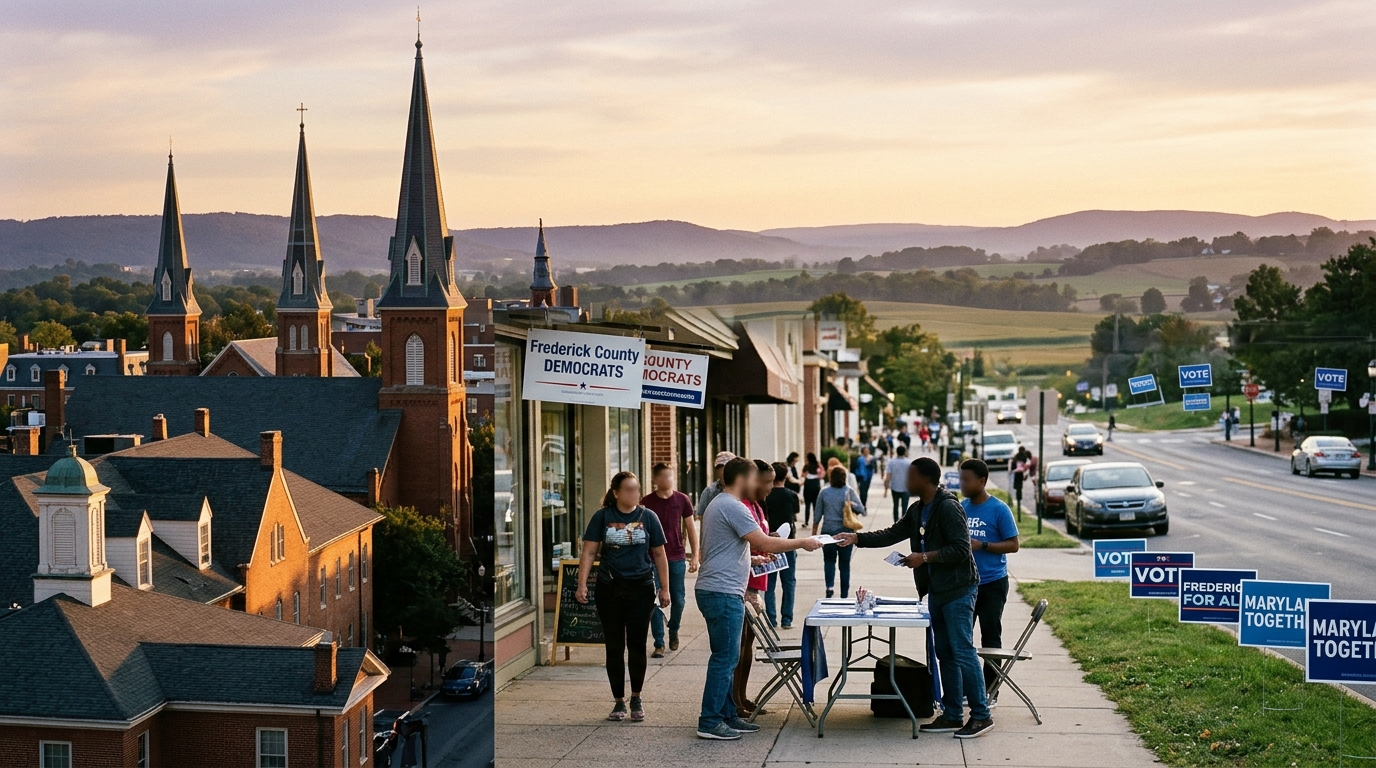
Maryland's Political Map Shifts: Democrats Expand Reach from Frederick to the Eastern Shore
Democrats are reportedly expanding their political reach across Maryland, pushing a "blue wave" into areas like Frederick County and the Eastern Shore. This shift signals a significant transformation in the state's political landscape, potentially leading to more unified legislative action and impacting local governance across the DMV region.
Maryland Democrats' Redistricting Choices May Have Solidified Andy Harris's Seat, Column Argues
A recent column from The Baltimore Banner argues that Maryland Democrats missed a critical opportunity during redistricting, inadvertently strengthening Congressman Andy Harris's hold on the 1st Congressional District.