Maryland's Political Map Shifts: Democrats Expand Reach from Frederick to the Eastern Shore
Share this article
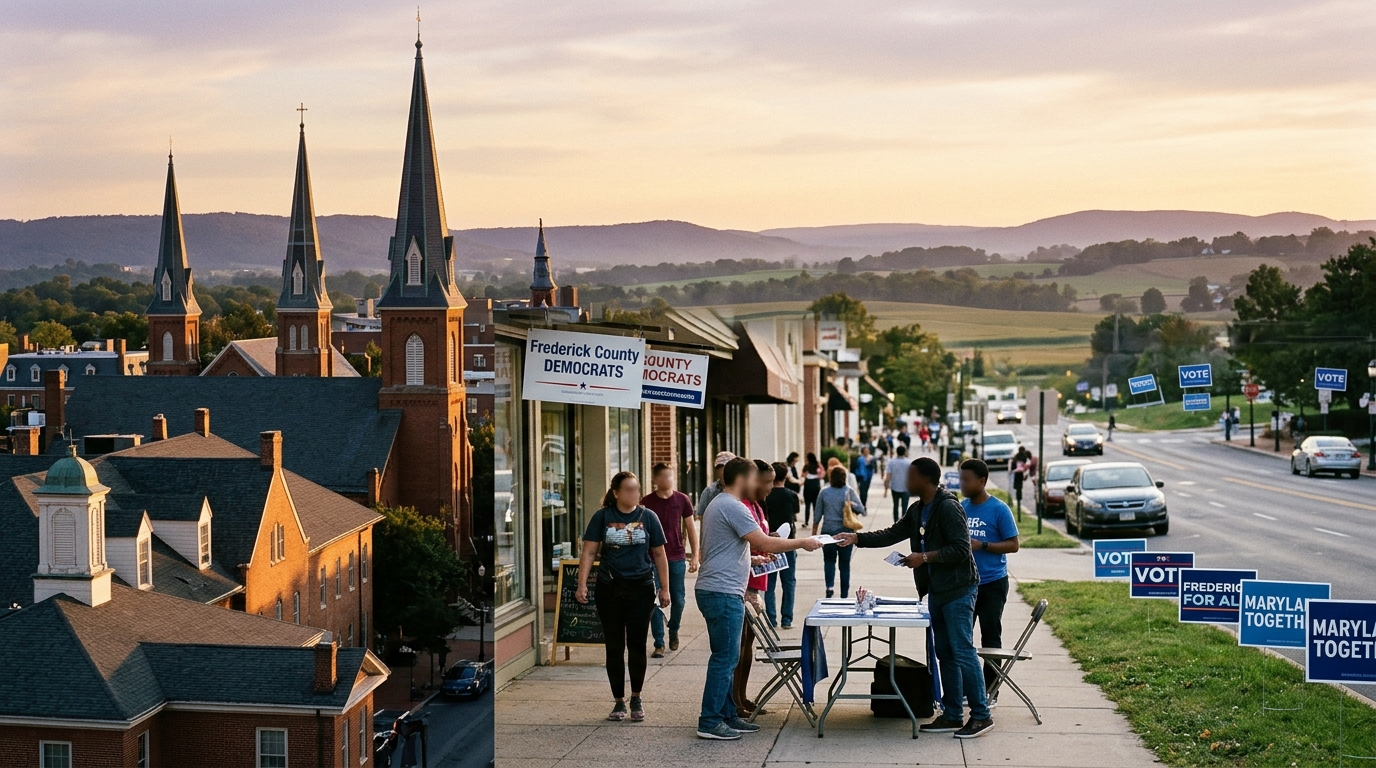
A Broader Blue Footprint Across Maryland
The idea of a "blue wave" isn't new in Maryland, a state that has leaned Democratic for decades. However, the reported expansion into areas like Frederick and the Eastern Shore marks a noteworthy development. These regions have historically presented more competitive electoral battles, often serving as bellwethers or strongholds for Republican candidates in statewide and local contests. Frederick County, for instance, has seen its share of closely watched races and ideological divides, while parts of the Eastern Shore have long been considered conservative bastions. According to The Baltimore Banner, this broadening reach indicates that Democratic messaging and candidate appeal are resonating with a wider demographic, potentially reflecting shifts in population, economic concerns, or voter priorities. It's not just about solidifying existing strongholds but actively converting or swaying voters in areas that might have once been considered out of reach for the party.Implications for Local Governance and State Policy
What does this mean for the everyday lives of Marylanders? A more dominant Democratic presence across varied geographies could lead to a more cohesive legislative agenda in the State House. Policies related to environmental protection, education funding, healthcare access, and transportation infrastructure might see less partisan friction and a clearer path to implementation. For residents in places like Frederick County, which is a key part of the broader DMV area, such a shift could translate into different local spending priorities or development initiatives. A county that sees a stronger Democratic presence might, for example, prioritize investments in public transit or affordable housing programs that align with the party's platform. Similarly, on the Eastern Shore, traditional economic drivers like agriculture and tourism could see new policy considerations under a more uniformly Democratic lens. This political momentum could also influence future elections, potentially encouraging more Democratic candidates to run in formerly contested districts and making it harder for Republicans to gain ground. The Maryland State Board of Elections oversees all electoral processes, and these shifts will undoubtedly be reflected in future voter registration and election results data.Understanding the Mechanics of a "Blue Wave"
A "blue wave" isn't just about a single election; it often reflects deeper demographic and ideological currents. Factors contributing to such a phenomenon can include:- **Demographic Changes:** Growth in urban and suburban areas, often bringing more diverse and younger populations, can shift voting patterns.
- **Voter Engagement:** Increased turnout among Democratic-leaning demographics or successful grassroots organizing efforts can play a crucial role.
- **Candidate Appeal:** Strong candidates who connect with local issues and resonate across different communities can bridge traditional political divides.
- **Statewide Issues:** Broad issues like economic development, social justice, or environmental concerns can galvanize voters across different regions.
Looking Ahead: What This Means for Maryland's Future
As Maryland continues to grow and evolve, these political shifts will undoubtedly shape its future. A stronger Democratic presence across the state could solidify Maryland's position as a progressive leader on various policy fronts. It also means that the political debates, while still robust, might increasingly focus on nuances within the Democratic platform rather than stark ideological divides. For DMV residents, particularly those commuting between Maryland and Washington D.C. or Northern Virginia, a more politically unified Maryland could translate into coordinated regional initiatives, especially in areas like transportation and environmental protection. The state's general direction, as guided by its legislative body and executive leadership, plays a crucial role in regional planning and resource allocation. The ongoing political evolution in Maryland is a story worth watching. Future elections will test the endurance of this "blue wave" and reveal whether these shifts represent a temporary surge or a more permanent reshaping of the state's political identity. Residents should stay informed about their local and state representatives and how these broader trends might influence the issues closest to home. More information on Maryland's government and services can be found on the official state website.Explore more on this topic
Related Stories

Montgomery County Executive-Elect Forms Transition Team for Smooth Handover
The Montgomery County Executive-elect has officially unveiled a transition team, signaling a crucial step in preparing for a smooth transfer of power. This team will assess county operations and lay groundwork for the new administration's priorities, impacting residents across the county from Silver Spring to Rockville.
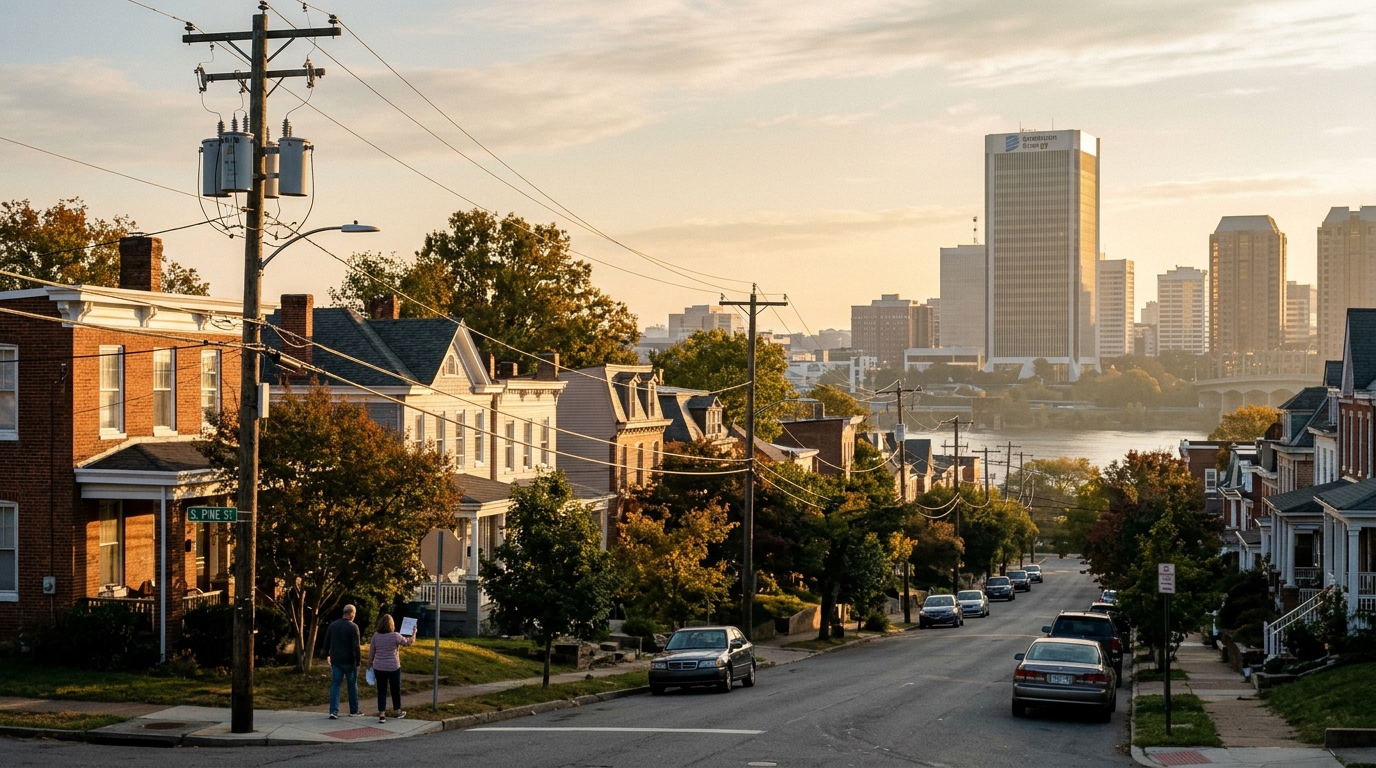
Dominion-NextEra Merger: Companies Accept Partial Protections, Reject Rate and Staffing Freeze in Virginia Case
Dominion and NextEra have accepted some proposed protections in their Virginia merger case but notably rejected calls for a rate and staffing freeze, a decision with significant implications for consumers and employees across the Commonwealth.
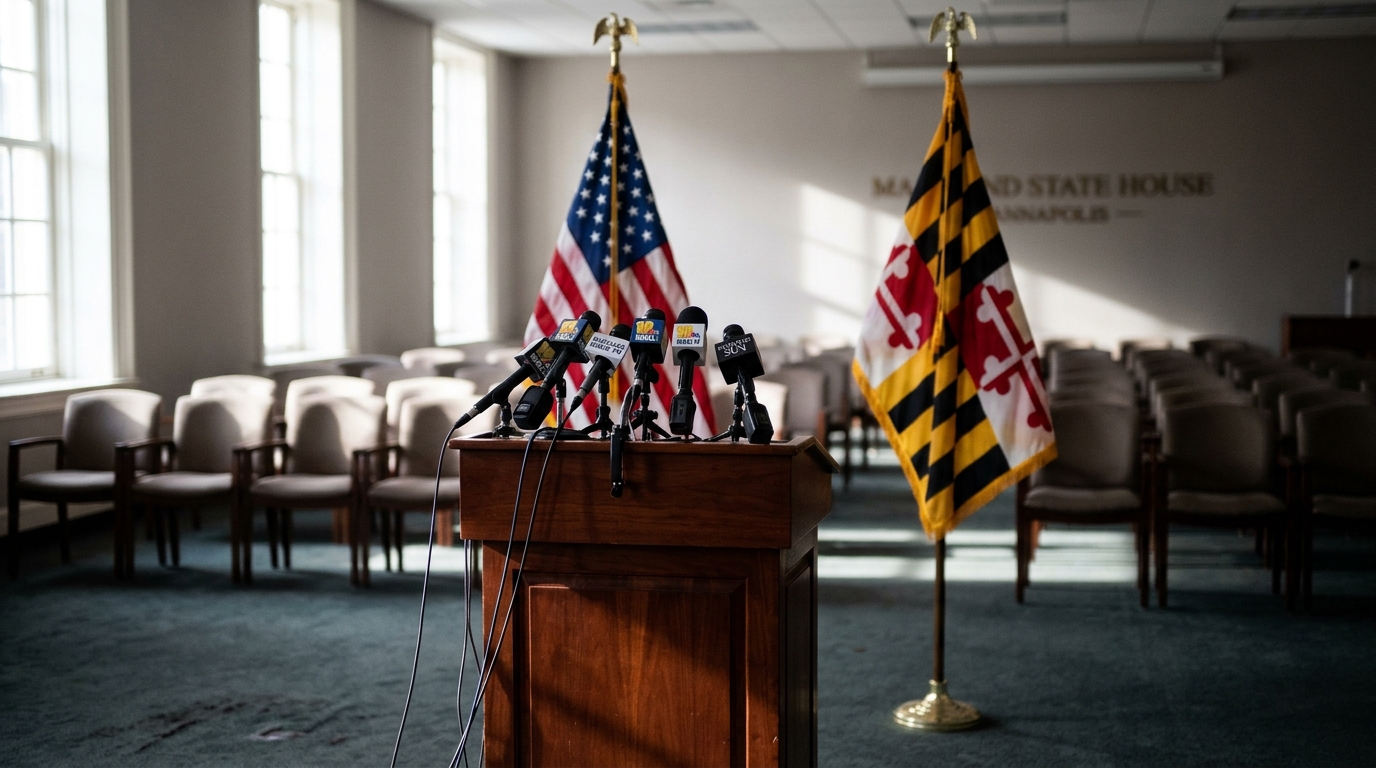
Maryland Democrats' Redistricting Choices May Have Solidified Andy Harris's Seat, Column Argues
A recent column from The Baltimore Banner argues that Maryland Democrats missed a critical opportunity during redistricting, inadvertently strengthening Congressman Andy Harris's hold on the 1st Congressional District.