Alexandria Health Department Urges Vaccinations as Respiratory Illness Season Kicks Off
Share this article

Why Vaccinate Now?
Public health officials consistently highlight that the best time to get your annual flu shot is early in the season, ideally before widespread activity begins. It takes about two weeks for the vaccine to become fully effective, meaning getting it in October helps ensure protection as the season progresses into its peak months. Beyond the flu, staying up-to-date on other relevant vaccinations, like those for COVID-19, remains a key component of preventing severe illness and hospitalization.Beyond the Jab: Everyday Prevention
While vaccines are a powerful tool, the Alexandria Health Department's guidance also reinforces a suite of everyday practices that can significantly reduce the risk of transmission. These aren't new tips, but their effectiveness is undeniable, especially during periods of increased viral activity. Simple habits like frequent and thorough handwashing with soap and water are paramount. When soap and water aren't available, an alcohol-based hand sanitizer can serve as a good alternative. Covering coughs and sneezes – ideally into your elbow or a tissue – prevents respiratory droplets from contaminating surfaces and the air around you. Perhaps most importantly, the AHD advises residents to stay home if they feel unwell. This practice not only aids in personal recovery but also plays a vital role in preventing the illness from spreading to others in workplaces, schools, and public spaces.Impact on Alexandria Residents
For families across Alexandria, particularly those with school-aged children or elderly relatives, the health department's guidance is a practical roadmap for the coming months. Schools, daycares, and senior living facilities are often hotbeds for respiratory virus transmission, making collective action crucial. The city's bustling streets, vibrant Old Town shops, and busy Metro stations also present environments where viruses can easily circulate. Understanding these recommendations and acting on them can help reduce absenteeism from work and school, alleviate strain on local healthcare facilities like Inova Alexandria Hospital, and ultimately contribute to a healthier, more resilient city. The guidance isn't just a suggestion; it's a community-wide strategy to navigate the challenges that respiratory illness season inevitably brings.What's Next for Alexandria?
As the respiratory illness season gains momentum, the Alexandria Health Department will likely continue to monitor local disease activity and provide updates as needed. Residents should stay tuned to official channels for any new information or changes in recommendations. Taking proactive steps now, however, remains the best defense. The message from city health officials is clear: by getting vaccinated and practicing good hygiene, Alexandria residents can play a significant role in keeping themselves and their neighbors safe and healthy through the colder months.📍 Local Resources
Provides public health services, vaccine clinics, and health guidance for city residents.
State-level health information, resources, and vaccine locator tools.
National health guidelines, vaccine information, and respiratory illness prevention tips.
Explore more on this topic
Related Stories
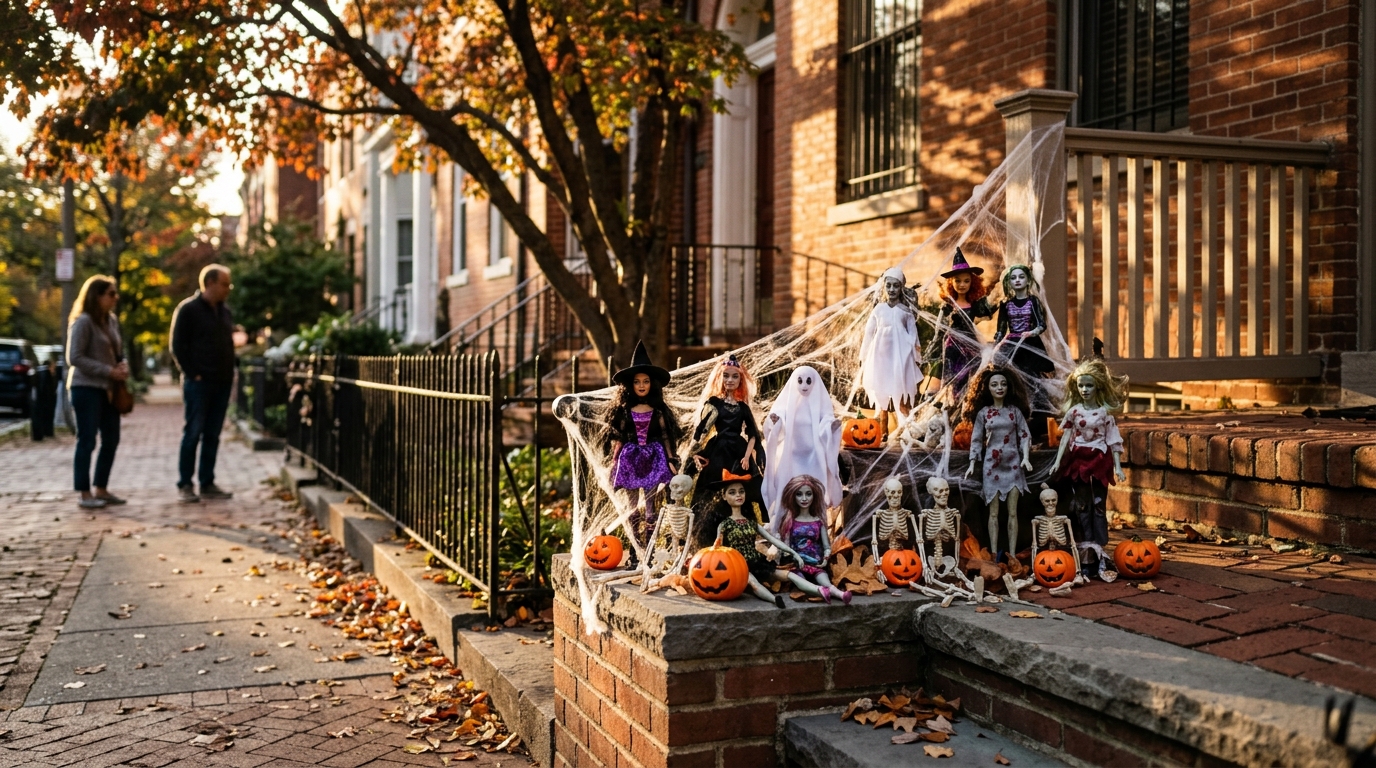
Q Street Barbies Creep into Halloween Spirit with Spooky Georgetown Display
Georgetown's beloved Q Street Barbies have transformed for Halloween, unveiling a new "creeping out" display that's delighting and spooking passersby. This local tradition continues to bring quirky charm to the historic neighborhood.

Fairfax County Park Authority Considers 'Reimagining' of Clemyjontri Park Playground
The Fairfax County Park Authority is considering a significant update to the popular inclusive playground at Clemyjontri Park, aiming to enhance its features for children of all abilities while preserving its welcoming atmosphere.

Unexpected Visitor: Groundhog Spotted in DC's University Heights Backyard
A groundhog made an unexpected appearance in a backyard in D.C.'s University Heights, near Brookland, offering a charming look at urban wildlife. This sighting highlights the diverse nature thriving within the city's neighborhoods.