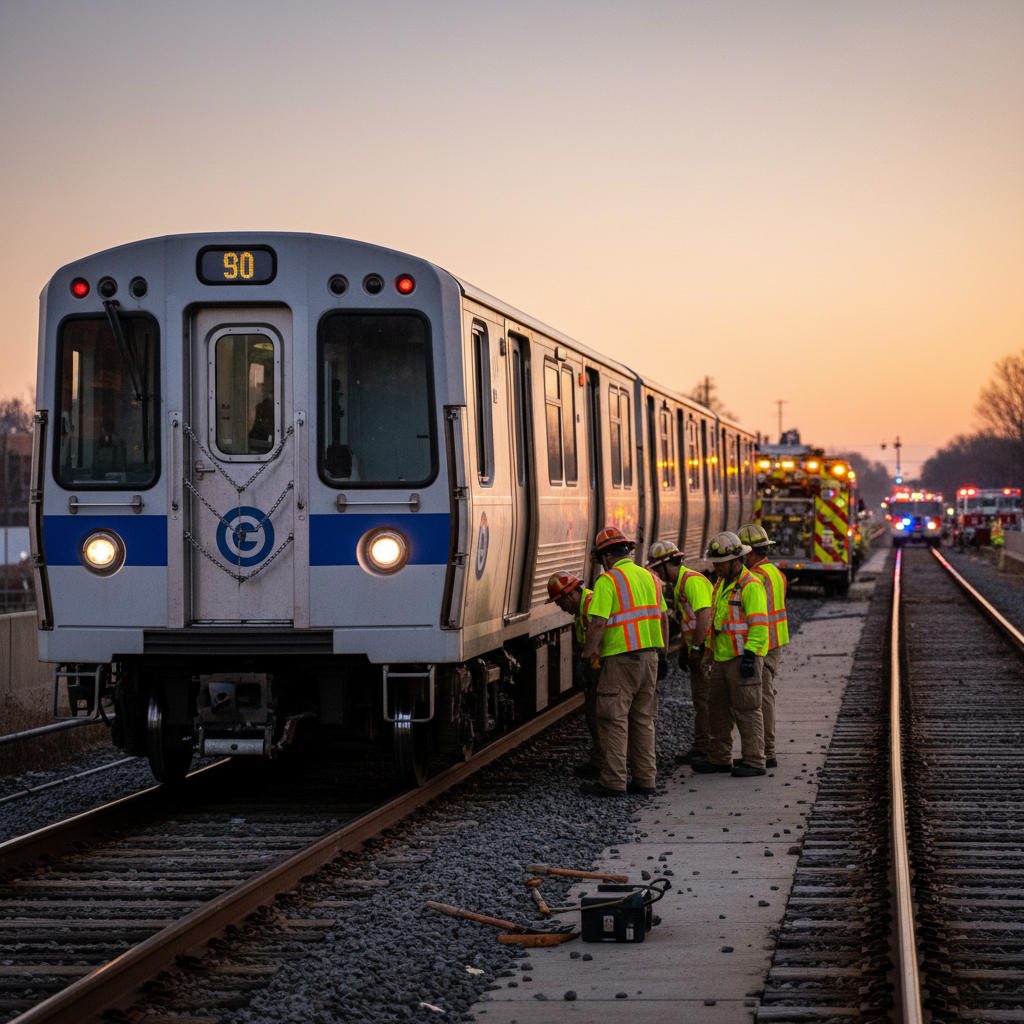
Work Vehicle Collision Injures 11 on Washington Metro Tracks
Share this article
Immediate Aftermath and Passenger Impact
Upon impact, emergency services were undoubtedly dispatched to the scene to assess the situation and provide aid to the injured. The 11 individuals who sustained injuries would have received immediate medical attention, with the severity of their conditions likely ranging from minor discomfort to more significant concerns requiring hospitalization. For those aboard the train, such an unexpected collision can be a jarring and frightening experience, regardless of physical injury. Mental and emotional well-being is often impacted when commuter safety is compromised.Investigation Underway
Ensuring the safety of the Metro system is paramount, and incidents like this are subject to rigorous investigation. Federal agencies, such as the National Transportation Safety Board (NTSB), often play a role in reviewing major transportation accidents to determine root causes and recommend preventative measures. Locally, WMATA's own safety department, in cooperation with relevant local authorities, will conduct a thorough inquiry. The investigation will likely focus on several key areas: the operational status of both the work vehicle and the passenger train, the training and procedures followed by personnel involved, communication protocols, and any potential equipment malfunctions. The goal is to identify the exact sequence of events that led to the collision and implement corrective actions to prevent similar incidents in the future. Understanding the "why" behind such an event is crucial for maintaining public trust and enhancing system reliability.Maintaining Public Trust in Metro Safety
The Washington Metro system is a cornerstone of daily life for many in the DMV region, with millions of rides taken annually. Incidents like the work vehicle collision can understandably raise questions about the safety of public transportation. WMATA consistently emphasizes its commitment to safety, investing in infrastructure upgrades, technology, and training programs for its employees. Commuters can stay informed about service changes and safety initiatives through the official WMATA website and various public alerts. It is important for residents to remember that while incidents do occur, public transportation remains one of the safest modes of travel. Ongoing efforts by WMATA and oversight bodies aim to continuously improve safety standards and operational efficiency. The findings from this investigation will be critical in guiding future safety enhancements and restoring full confidence among the riding public. Residents are encouraged to report any safety concerns they observe to Metro personnel or through official channels.📍 Local Resources for Commuters & Safety
For general inquiries, feedback, or to report non-emergency issues related to Metro service.
Real-time information on Metro train and bus service disruptions, delays, and planned work.
Provides public safety information and preparedness resources for D.C. residents, including transportation safety.
Explore more on this topic
Related Stories
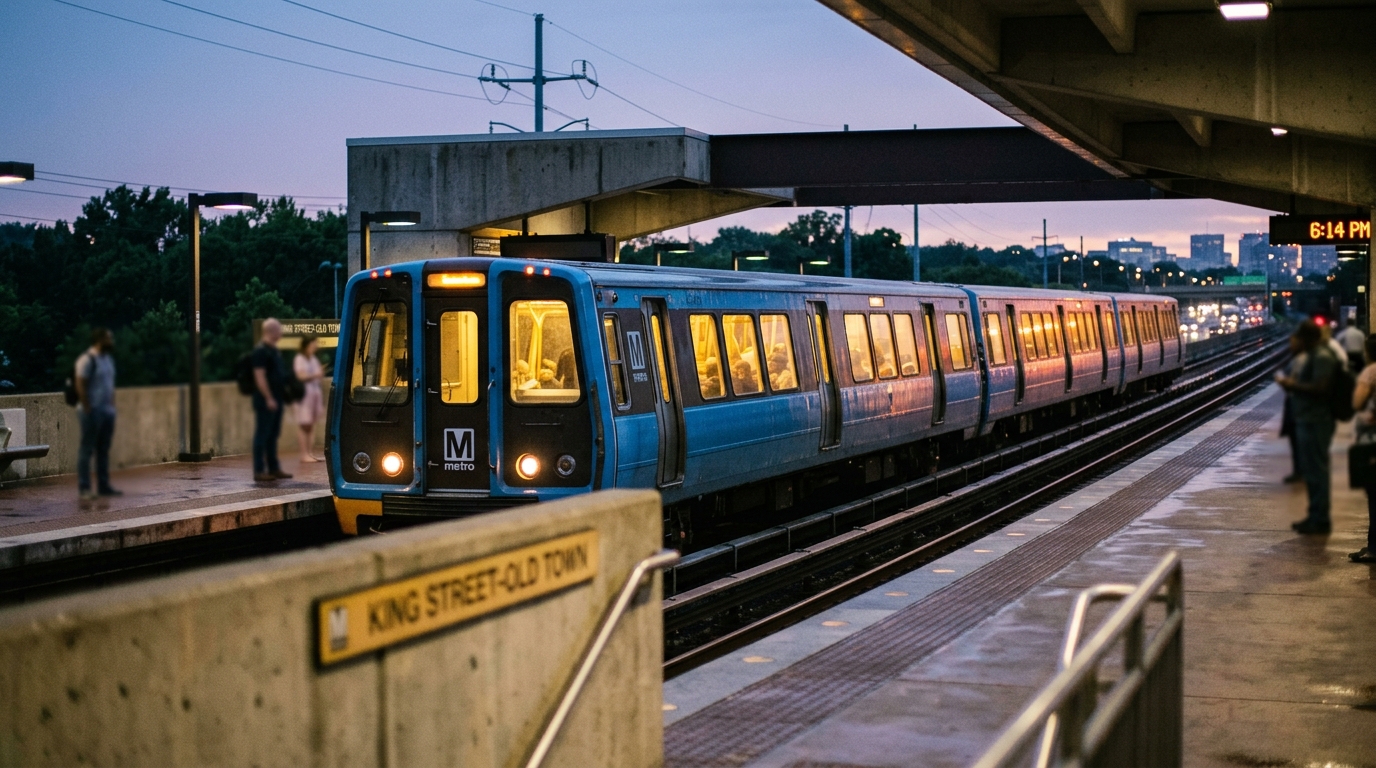
Multiday Amtrak and VRE Service Pause Between DC and Virginia Set for Friday
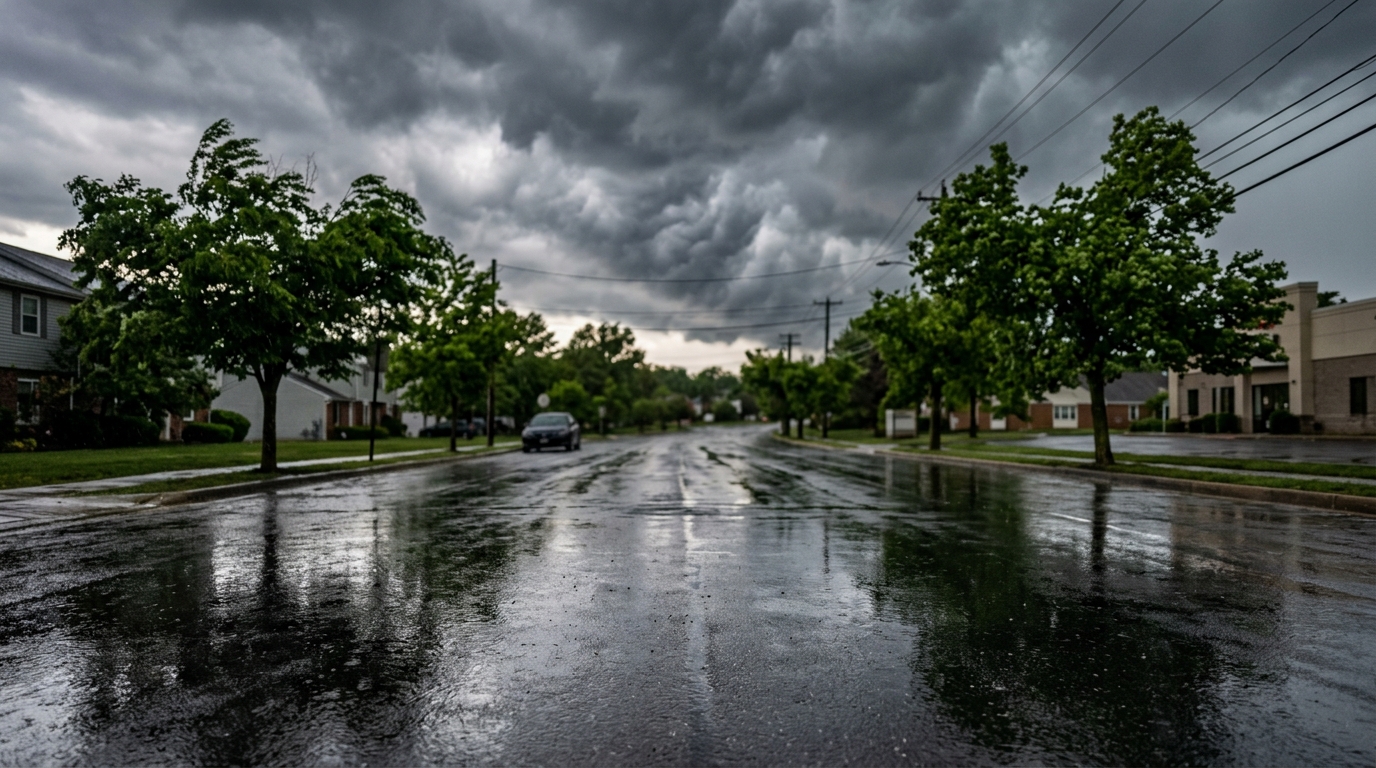
Maryland Braces for Wild Weather Swings: From 85 Degrees to Tornado Threats and a Cold Snap
Maryland is gearing up for a weather rollercoaster this weekend, with temperatures potentially hitting 85 degrees before threats of damaging winds, possible tornadoes, and a sharp cold front sweep through the region. DMV residents in Maryland should prepare for rapid shifts and severe weather.
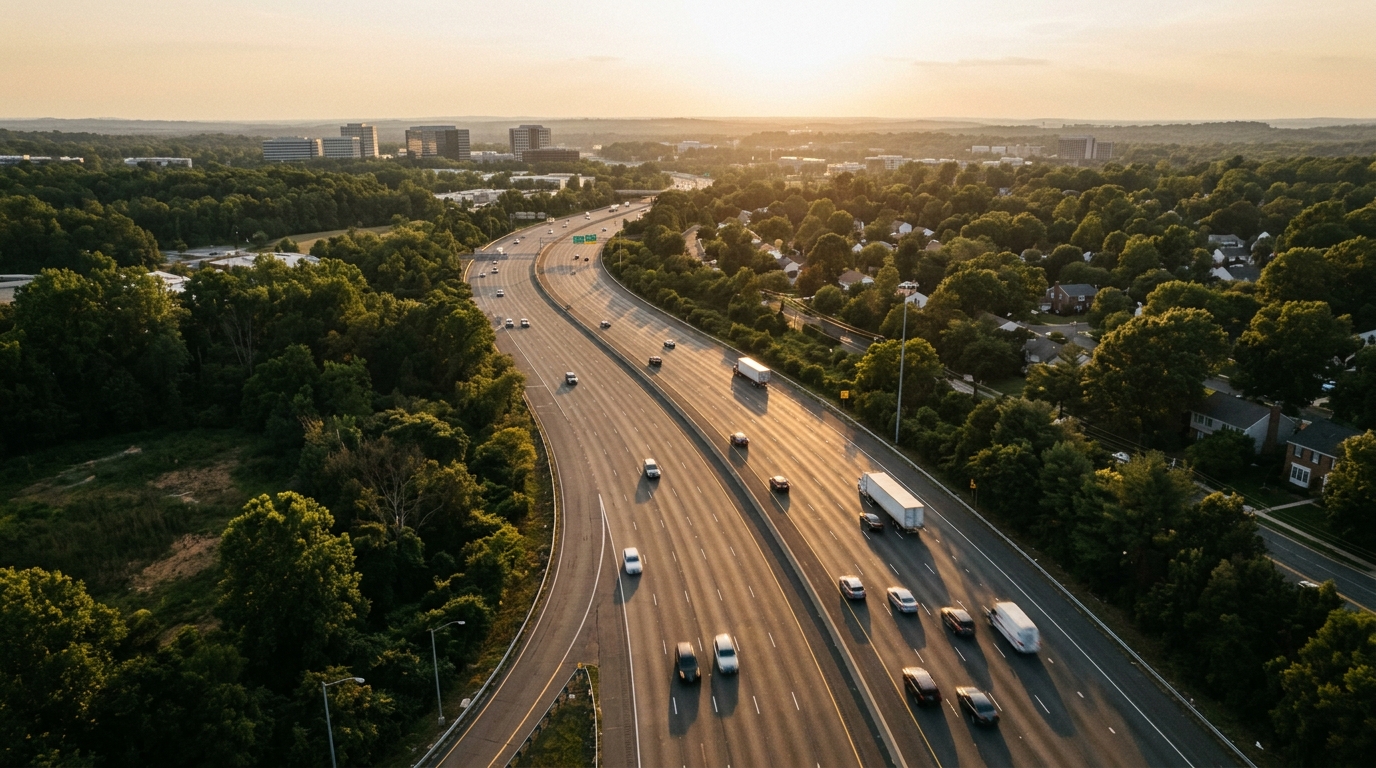
Fairfax County to Cut Speed Limits to 20 MPH on Ten Local Roads
Fairfax County is set to lower speed limits to 20 miles per hour on ten local roads, a move designed to boost safety for pedestrians and residents in neighborhood areas. This initiative reflects the county's commitment to traffic calming and reducing accident severity.