Lawsuit Erupts After White House Dirt Dumped on Historic DC Golf Course, Raising Concerns for Public Green Space
Share this article

The Unwanted Deposit: White House Dirt on Public Land
The core of the issue revolves around excavated material, reportedly from ongoing renovations at the White House, finding its way to a historic golf course within the District. While the specific course name isn't detailed in the immediate information, D.C. boasts several storied public golf facilities, often managed by entities like the National Park Service or the DC Department of Parks and Recreation (DPR). The thought of federal project waste being deposited on such a site raises immediate questions about proper disposal protocols and environmental stewardship.Legal Action Takes Center Stage
Unsurprisingly, the alleged dumping has escalated into a formal lawsuit. While the specific parties involved in the legal action and the precise claims aren't fully detailed in the available information [1], such a complaint typically centers on issues like environmental impact, unauthorized land use, property damage, or breaches of public trust. When federal operations impact local public land, the legal landscape can become complex, often involving multiple government agencies and local stakeholders. The legal proceedings will likely aim to determine who authorized the dumping, why the historic golf course was chosen as a site, and what measures need to be taken to remediate any damage. For residents, the lawsuit represents a push for accountability and a desire to protect the city's shared resources.Fears for the Future of Public Golf in D.C.
Beyond the immediate legal wrangling, this incident has sparked broader concerns about the future of public golf in D.C. Our city's public courses are invaluable assets, offering accessible recreation for a diverse range of residents, from seasoned golfers to beginners and families just looking for green space. Any perceived misuse or degradation of these properties can understandably lead to anxiety. Many worry that incidents like this could set a dangerous precedent, making public lands vulnerable to similar unauthorized uses or diverting resources that should be focused on maintaining and improving these community assets. Protecting these spaces ensures that golf remains an option for everyone, not just those with access to private clubs. The DC Department of Energy & Environment (DOEE) plays a crucial role in overseeing environmental standards and protecting the District's natural resources, and their involvement, or that of similar regulatory bodies, will be key.Explore more on this topic
Related Stories

Fairfax County Public Schools' Federal Funding Lawsuit Revived by Appeals Court
An appeals court has revived Fairfax County Public Schools' lawsuit against the U.S. Department of Education, challenging the withholding of federal funds over the district's policies supporting transgender students. This decision sends the case back to a lower court, marking a critical step for FCPS in its fight to restore millions in federal aid.
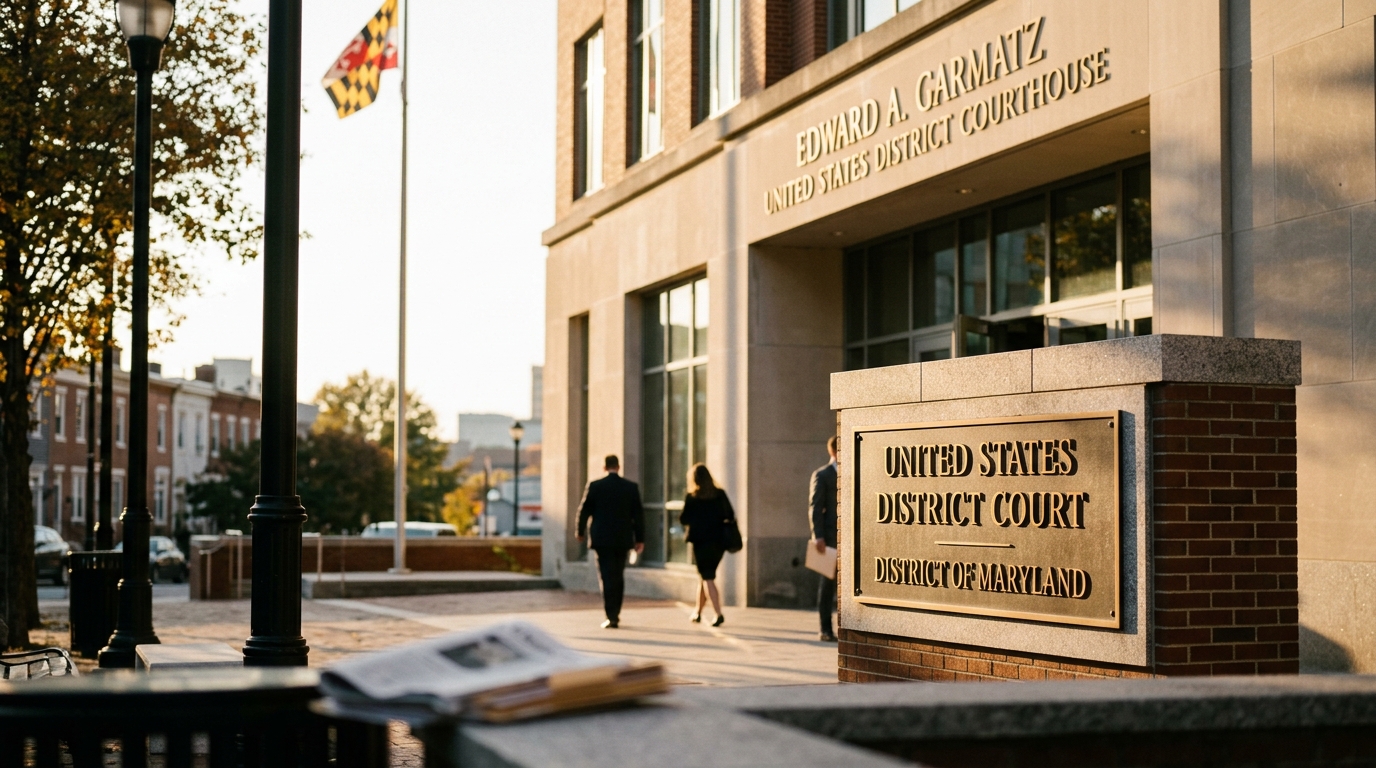
Federal Judge Rejects Maryland Attorney General's Bid for ICE Records on Baltimore Facility
A federal judge has rejected the Maryland Attorney General's bid to obtain records from an ICE detention facility in Baltimore, marking a setback for state-level transparency efforts into federal immigration operations within Maryland.

D.C. Council Member Trayon White Seeks Acquittal in Federal Bribery Case After Mistrial
A federal judge will decide whether to acquit D.C. Council member Trayon White in his bribery case after a mistrial, or allow prosecutors to pursue a retrial. The Ward 8 representative's legal team argues for dismissal, while prosecutors point to recorded evidence.