Washington DC Metro Experiences Morning Delays: What Commuters Need to Know
Share this article
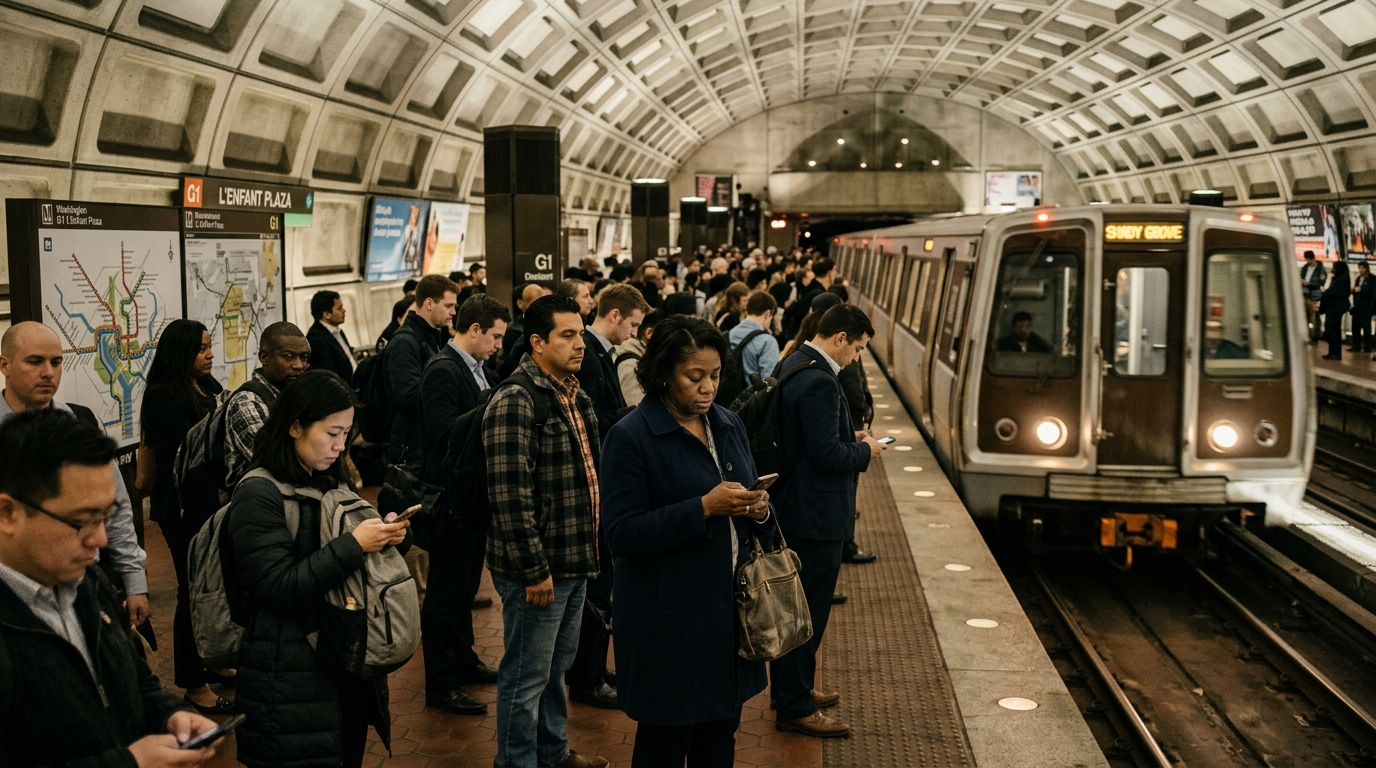
Understanding Metro Delays
Metro delays can stem from a variety of issues, ranging from mechanical problems with trains or track infrastructure to signal malfunctions and unexpected emergency incidents. Often, these issues require immediate attention from WMATA personnel, leading to slowed service or temporary station closures. For instance, signal issues, which help control train spacing and movement, can force trains to operate at reduced speeds, causing bottlenecks across the system. Similarly, a train experiencing a mechanical fault may need to be taken out of service, reducing the number of available trains and increasing wait times. WMATA's operations cover 129 miles of track and 98 stations across Washington D.C., Maryland, and Virginia, making it one of the busiest rapid transit systems in the nation. This extensive network means that an issue on one line can often have cascading effects on connecting lines, especially at transfer hubs like Metro Center or L'Enfant Plaza.Impact on Commuters
For those beginning their workday or traveling for essential appointments, morning delays on the Metro can be more than just an inconvenience. They can lead to missed connections, late arrivals, and added stress. Many residents rely solely on public transportation, making alternative options difficult to access on short notice. Commuters often plan their journeys meticulously, accounting for typical travel times. Unexpected delays force them to quickly adapt, potentially seeking rideshares, buses, or even walking if their destination is nearby. Staying informed is crucial, and WMATA utilizes various communication channels to disseminate service updates. Riders are encouraged to check the official WMATA service status page or subscribe to alert systems for real-time information.WMATA's Communication Strategy
WMATA typically provides updates through its website, social media channels, and station announcements. These alerts are designed to keep passengers informed about the nature of the delay, affected lines, and estimated recovery times. While the specific details of today's delays were not immediately available in the initial report [1], WMATA's standard procedure involves dispatching maintenance teams to address technical faults and rerouting trains or implementing bus bridge services where necessary. The agency's commitment to safety and operational efficiency means that while delays are frustrating, they are often a result of necessary precautions taken to ensure the well-being of passengers. Regular maintenance and infrastructure upgrades are ongoing efforts to minimize disruptions, but unforeseen issues can still arise. For more detailed information on Metro's operational policies, the WMATA Board of Directors meeting minutes often provide insights into service improvements and challenges.Navigating Future Disruptions
As the DMV continues its daily rhythm, Metro remains an indispensable part of regional life. While today's delays may have caused a bumpy start for some, understanding how to stay informed and plan for potential disruptions can help ease the burden. Always consider checking service updates before heading out, especially during peak travel times. Additionally, having a backup plan, whether it's identifying alternative bus routes or carpooling options, can make a significant difference when unforeseen issues impact the Metro system. The District Department of Transportation (DDOT) also provides valuable resources for alternative transit options within D.C.📍 Local Resources
For general inquiries, lost and found, or to report service issues.
Sign up for real-time email or text alerts about Metro rail and bus service disruptions.
Information on various commuter options, including carpooling, vanpooling, and bus services across the DMV region.
Explore more on this topic
Related Stories
Multiday Amtrak and VRE Service Pause Between DC and Virginia Set for Friday
Maryland Braces for Wild Weather Swings: From 85 Degrees to Tornado Threats and a Cold Snap
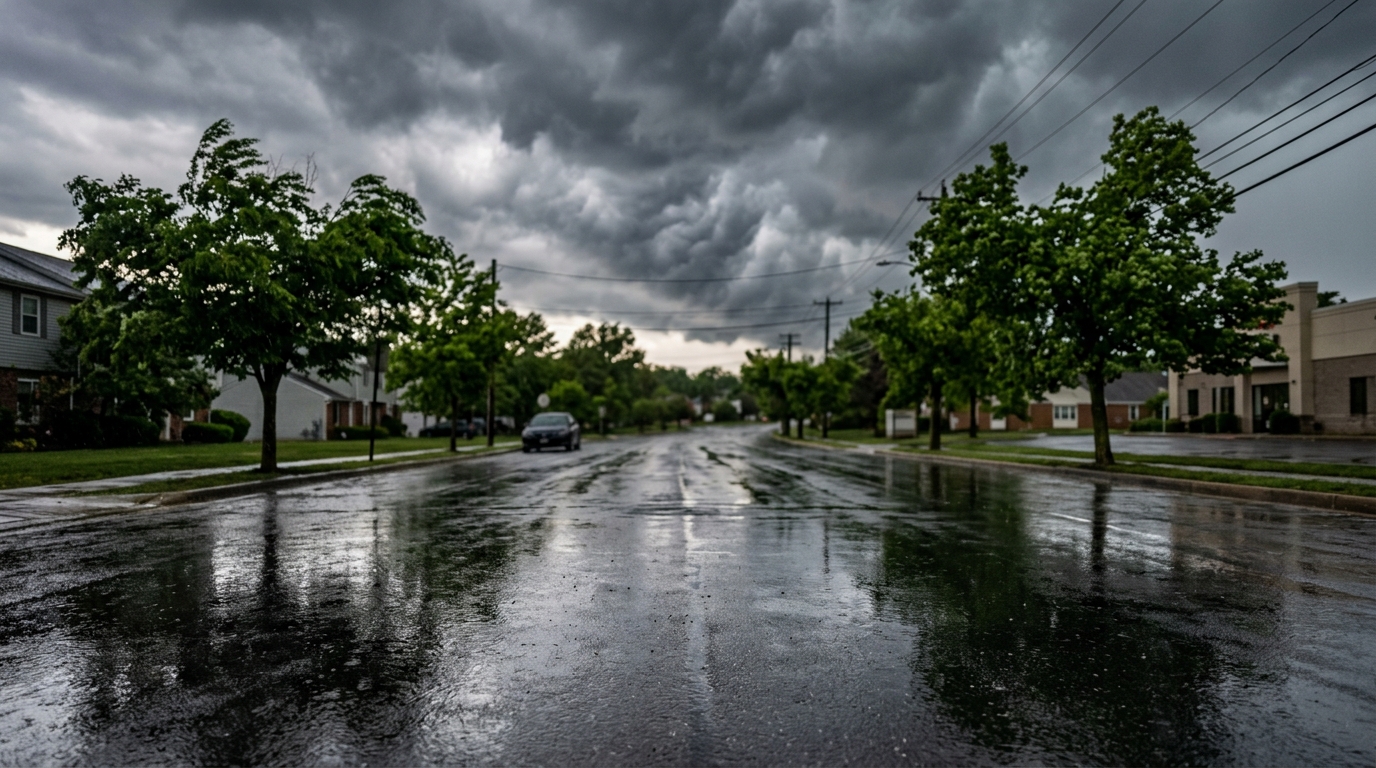
Maryland is gearing up for a weather rollercoaster this weekend, with temperatures potentially hitting 85 degrees before threats of damaging winds, possible tornadoes, and a sharp cold front sweep through the region. DMV residents in Maryland should prepare for rapid shifts and severe weather.
Fairfax County to Cut Speed Limits to 20 MPH on Ten Local Roads
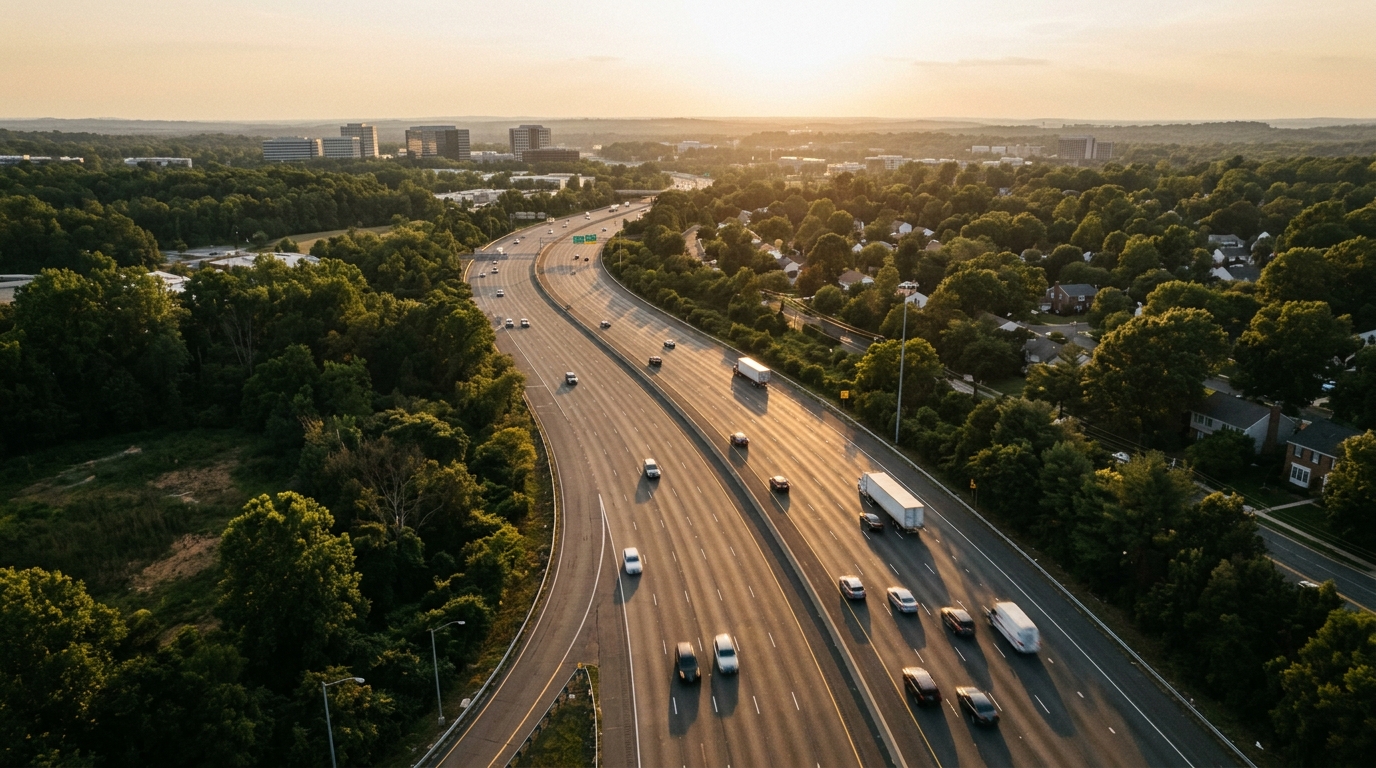
Fairfax County is set to lower speed limits to 20 miles per hour on ten local roads, a move designed to boost safety for pedestrians and residents in neighborhood areas. This initiative reflects the county's commitment to traffic calming and reducing accident severity.