Virginia Supreme Court Weighs Fate of Voter-Approved US House Map Favoring Democrats
Share this article

The Stakes of Redistricting in Virginia
Redistricting is more than just drawing lines on a map; it's about defining communities and determining who represents them in Congress. Every ten years, after the U.S. Census counts the population, states must redraw their congressional and state legislative districts to ensure roughly equal population in each district. This process is critical because it dictates the political power of different regions and demographic groups within the state. For decades, partisan gerrymandering — the practice of drawing districts to favor one political party over another — has been a major point of contention. Virginia has historically seen its share of these battles. However, voters in the Commonwealth approved a constitutional amendment in 2020 that established a bipartisan redistricting commission, aiming to create fairer maps and reduce political influence. The map now under review by the Supreme Court is a product of this newer, voter-approved process.Understanding the Court's Role
When a court "considers whether to block" a map, it means legal challenges have been brought forward, arguing that the map is somehow unconstitutional or violates state law. Even a map approved through a voter referendum can face judicial scrutiny if opponents argue it fails to meet legal standards, such as those related to equal protection, racial fairness, or partisan bias. The Virginia Supreme Court, as the state's highest judicial body, has the ultimate authority to interpret the state's constitution and laws regarding electoral districts. The arguments before the court likely delve into complex legal questions. For instance, challengers might argue that despite its "voter-approved" status, the map still exhibits an unconstitutional level of partisan gerrymandering, or that it dilutes the voting power of certain communities. The court will examine these claims against the backdrop of Virginia's constitution and relevant state and federal legal precedents. More information on the state's judicial system can be found on the Virginia Judicial System website.Potential Outcomes and Their Impact
Should the Virginia Supreme Court decide to block the current U.S. House map, the implications would be substantial. Such a ruling would likely send the redistricting process back to the drawing board, potentially requiring the bipartisan commission to reconvene or, in some scenarios, empowering the court itself to draw or appoint special masters to draw new lines. This could lead to a frantic scramble to finalize new district boundaries before upcoming election cycles.What's Next for Virginia Voters?
The Virginia Supreme Court's deliberations are private, but a decision is expected in due course. Once a ruling is issued, it will set the stage for how federal elections are conducted in the Commonwealth for the foreseeable future. Virginia voters should pay close attention to the court's announcement and any subsequent actions taken by state officials to implement new district lines, if necessary. Staying informed about electoral boundaries is crucial for participating effectively in the democratic process. Resources from organizations like the League of Women Voters of Virginia can help residents understand these changes. For now, the focus remains on the Virginia Supreme Court as it navigates this complex legal and political challenge. Its decision won't just be a legal pronouncement; it will be a defining moment for Virginia's electoral future, determining the shape of its congressional representation for years to come.📍 Local Resources for Virginia Voters
Official state resource for voter registration, election information, and finding your polling place and elected officials.
Non-partisan organization providing voter education, advocating for voting rights, and offering resources on redistricting and government.
Connects individuals with attorneys for legal advice, including constitutional law or election law matters, if they have specific questions about the legal process.
Explore more on this topic
Related Stories

Fairfax County Public Schools' Federal Funding Lawsuit Revived by Appeals Court
An appeals court has revived Fairfax County Public Schools' lawsuit against the U.S. Department of Education, challenging the withholding of federal funds over the district's policies supporting transgender students. This decision sends the case back to a lower court, marking a critical step for FCPS in its fight to restore millions in federal aid.
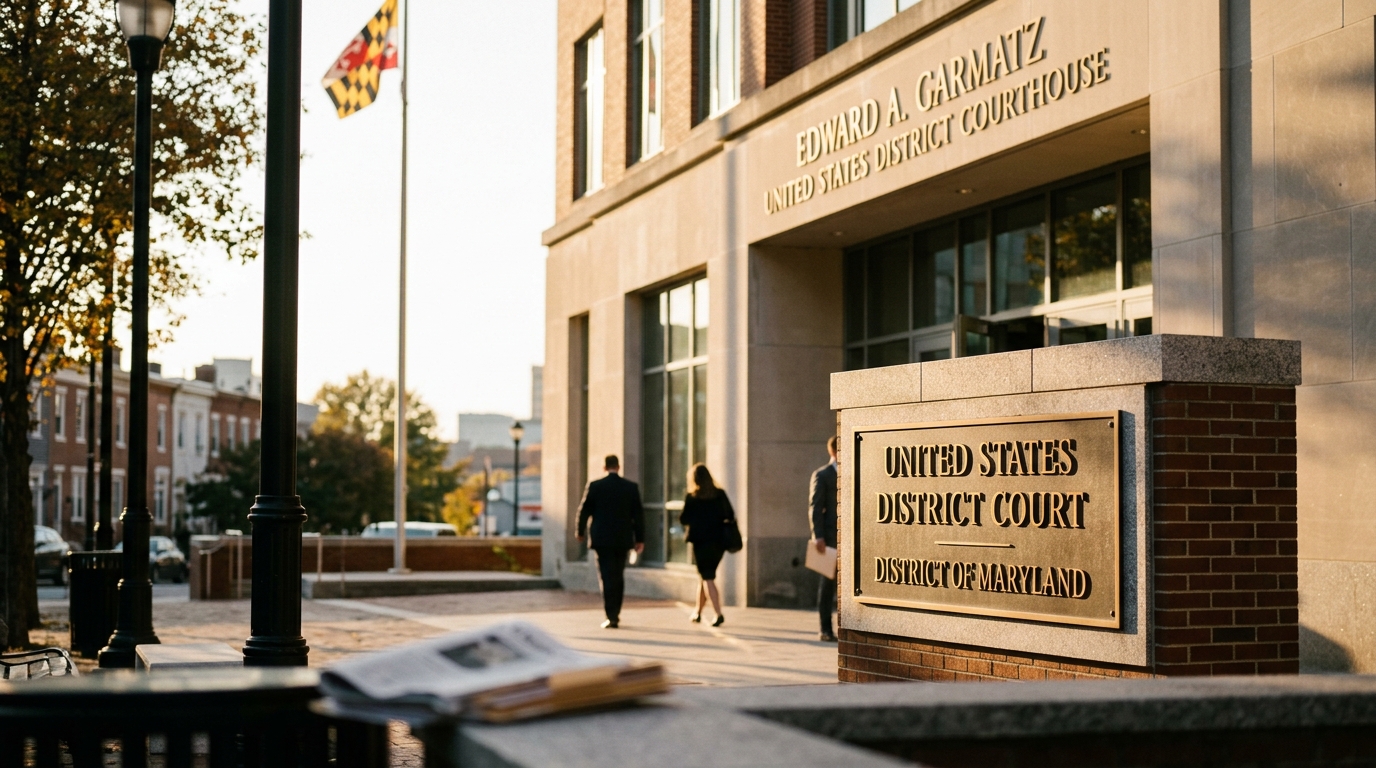
Federal Judge Rejects Maryland Attorney General's Bid for ICE Records on Baltimore Facility
A federal judge has rejected the Maryland Attorney General's bid to obtain records from an ICE detention facility in Baltimore, marking a setback for state-level transparency efforts into federal immigration operations within Maryland.
D.C. Council Member Trayon White Seeks Acquittal in Federal Bribery Case After Mistrial
A federal judge will decide whether to acquit D.C. Council member Trayon White in his bribery case after a mistrial, or allow prosecutors to pursue a retrial. The Ward 8 representative's legal team argues for dismissal, while prosecutors point to recorded evidence.