Virginia's High Court Grapples with Pivotal Redistricting Challenge
Share this article

The Stakes for Virginia Voters
The challenge before the Virginia Supreme Court isn't just about lines on a map; it's about the very foundation of electoral fairness. When districts are drawn in ways that dilute the voting power of certain communities or unfairly concentrate voters from one party, it can lead to unrepresentative governments. This can leave residents feeling unheard, disengaged from the political process, and ultimately, without proper advocacy for their needs.Understanding the Redistricting Process
Historically, redistricting in Virginia was handled by the state legislature, a process that frequently resulted in highly partisan maps. This changed with a 2020 constitutional amendment that established a bipartisan redistricting commission, aiming to remove some of the political influence from the process. However, even with a commission, disagreements can arise, and the ultimate authority often falls to the courts when the commission deadlocks or when the maps face legal challenges. The Virginia Supreme Court plays a critical role as the final arbiter in such disputes. Its decisions set precedents that guide future redistricting efforts and can significantly alter the balance of power within the state government. The current challenge underscores the ongoing tension between ensuring fair representation and the inevitable political implications of drawing new electoral lines. Understanding the legal and historical context of redistricting is vital for Virginia residents. The Virginia Supreme Court's official website provides insights into its functions and past rulings, while the Virginia Department of Elections offers details on electoral processes. For a deeper dive into the specifics of how districts are drawn and why it matters, resources from non-partisan groups like the Virginia Public Access Project (VPAP) often analyze the impact of such decisions.What's Next for Virginia?
The court's decision will have ripple effects across Virginia, from the crowded streets of Alexandria to the rural communities in the Southwest. Depending on the ruling, new maps could necessitate changes for candidates planning to run in upcoming elections, and for voters trying to understand which district they now belong to. It's a reminder that even seemingly technical legal battles can profoundly shape daily life and civic engagement. Virginia residents should keep a close eye on this development. The outcome will not only define electoral boundaries but also reflect the ongoing struggle for equitable representation in a diverse and dynamic Commonwealth. We'll be watching to see how the court's decision will ultimately impact the political landscape and the voices of Virginia voters in the years to come.Explore more on this topic
Related Stories

Fairfax County Public Schools' Federal Funding Lawsuit Revived by Appeals Court
An appeals court has revived Fairfax County Public Schools' lawsuit against the U.S. Department of Education, challenging the withholding of federal funds over the district's policies supporting transgender students. This decision sends the case back to a lower court, marking a critical step for FCPS in its fight to restore millions in federal aid.
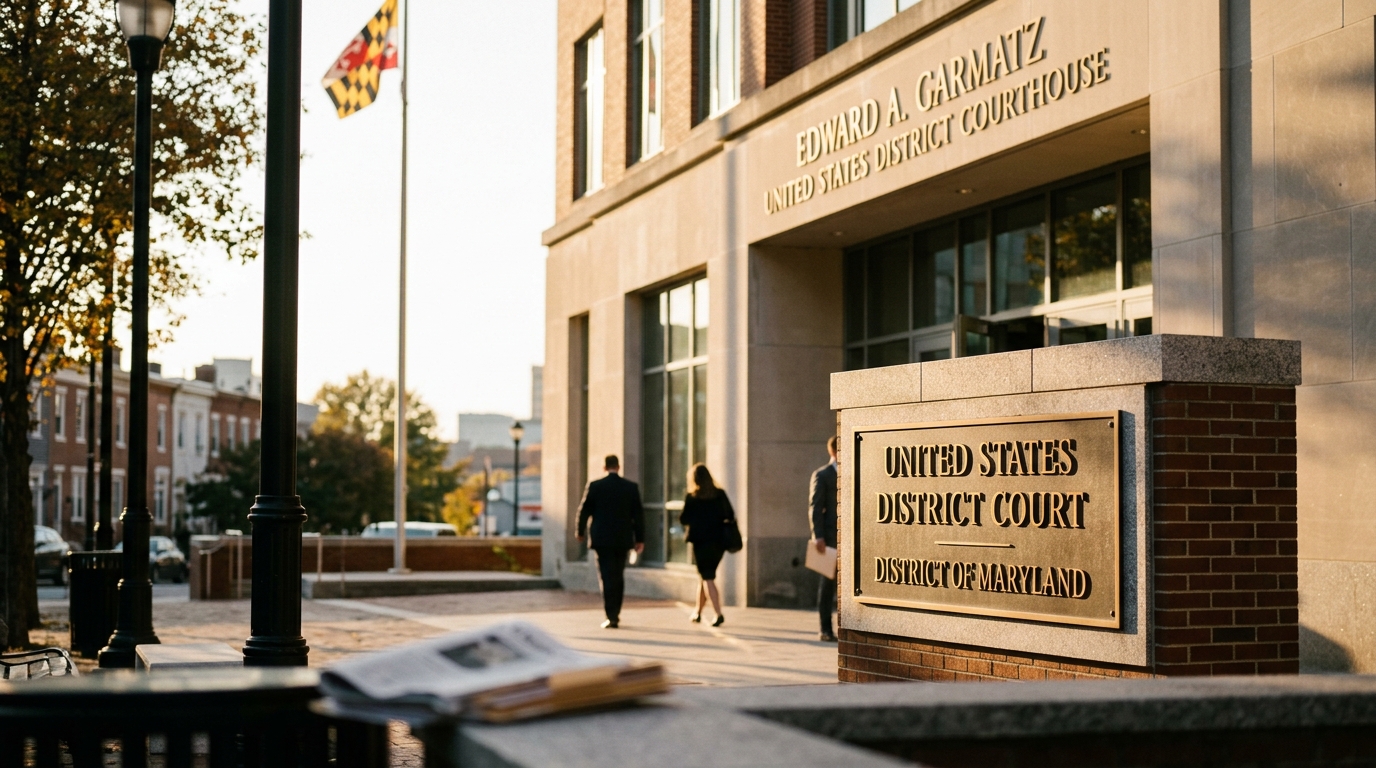
Federal Judge Rejects Maryland Attorney General's Bid for ICE Records on Baltimore Facility
A federal judge has rejected the Maryland Attorney General's bid to obtain records from an ICE detention facility in Baltimore, marking a setback for state-level transparency efforts into federal immigration operations within Maryland.
D.C. Council Member Trayon White Seeks Acquittal in Federal Bribery Case After Mistrial
A federal judge will decide whether to acquit D.C. Council member Trayon White in his bribery case after a mistrial, or allow prosecutors to pursue a retrial. The Ward 8 representative's legal team argues for dismissal, while prosecutors point to recorded evidence.