Virginia's Summer Heat Drives Surge in Emergency Room and Urgent Care Visits
Share this article
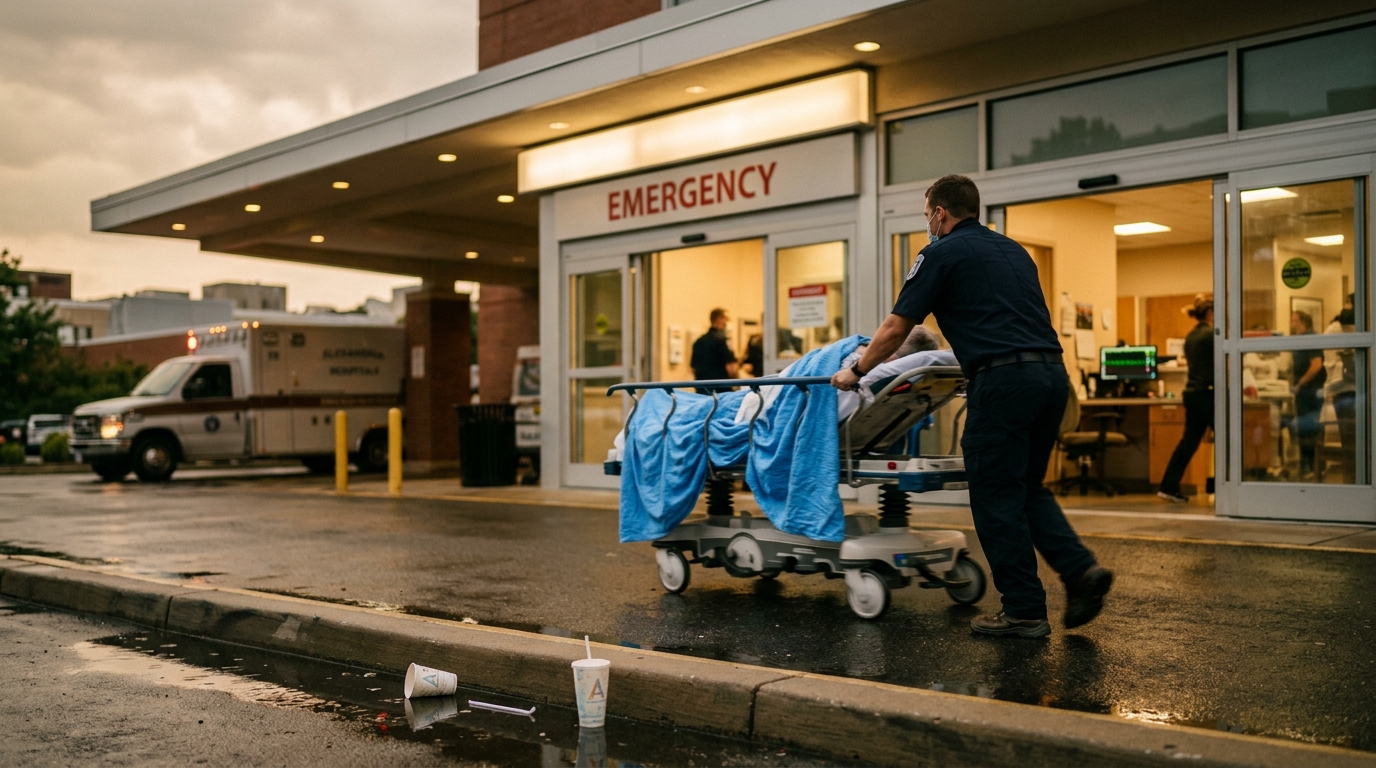
The Rising Tide of Heat Illness
The summer months in Virginia often bring a mix of sunshine and stifling humidity, creating conditions ripe for heat-related health issues. When temperatures soar, our bodies work harder to cool down, and for many, that effort isn't enough. The result, as FOX5 DC reports, is more people heading to emergency departments and urgent care clinics than is typical for this time of year. This isn't just about feeling a little warm; we're talking about conditions that can range from uncomfortable to life-threatening. Heat exhaustion and heat stroke are serious medical emergencies that require prompt attention, and their increased prevalence is a stark indicator of the intensity of our summer weather.Understanding Heat-Related Risks
When your body can't cool itself effectively, your core temperature rises, leading to a cascade of health problems. The most common heat-related illnesses seen in healthcare settings are heat exhaustion and heat stroke. Heat exhaustion often manifests with heavy sweating, weakness, cold and clammy skin, a fast but weak pulse, nausea, and fainting. While serious, it can often be managed by moving to a cooler environment, drinking fluids, and resting. However, if left untreated, heat exhaustion can quickly escalate to heat stroke. Heat stroke is the most severe form of heat illness and constitutes a medical emergency. Symptoms include a body temperature of 103°F or higher, hot and red or dry skin (though sweating can still occur), a rapid and strong pulse, and confusion, slurred speech, or even loss of consciousness. It can cause permanent disability or death if not treated immediately. Recognizing these signs and acting quickly can make all the difference. The Centers for Disease Control and Prevention (CDC) provides comprehensive guidance on identifying and responding to these conditions.Who's Most Vulnerable?
While anyone can suffer from heat-related illness, certain groups in Virginia are particularly susceptible. Young children and infants, whose bodies don't regulate temperature as efficiently, are at high risk. The elderly, especially those with pre-existing medical conditions or who live alone, also face significant danger. Chronic illnesses like heart disease, diabetes, and respiratory issues can impair the body's ability to cope with heat. Outdoor workers, athletes, and individuals experiencing homelessness are also highly vulnerable due to prolonged exposure and often limited access to cooling resources. Even healthy adults can quickly succumb to heat if they are not careful, especially during strenuous activities. It's crucial for community members to check on vulnerable neighbors and family members during periods of extreme heat. The Virginia Department of Health (VDH) regularly issues advisories and resources to help residents stay safe.Straining Our Healthcare System
A surge in heat-related emergency visits doesn't just impact individual patients; it places additional strain on an already busy healthcare system. Emergency rooms and urgent care centers, from Fairfax to Richmond, must allocate resources – staff, beds, and equipment – to manage these cases, potentially impacting wait times and the availability of care for other emergencies. This underscores the importance of preventative measures. Every heat-related illness that can be avoided lessens the burden on our healthcare heroes and ensures that critical resources are available for those who need them most. It's a community effort to minimize these preventable visits.Staying Safe in Virginia's Summer
For residents across Northern Virginia and beyond, staying vigilant during hot weather is paramount. Here are key steps to protect yourself and your loved ones: * **Stay Hydrated:** Drink plenty of fluids, especially water, even if you don't feel thirsty. Avoid sugary drinks, alcohol, and very cold drinks. * **Seek Cool Environments:** Spend as much time as possible in air-conditioned spaces. If you don't have AC, visit public cooling centers, libraries, or malls. * **Dress Appropriately:** Wear lightweight, loose-fitting, light-colored clothing. * **Limit Outdoor Activity:** Schedule strenuous outdoor activities for early morning or late evening. If you must be outside, take frequent breaks in the shade or a cool spot. * **Never Leave Anyone in a Car:** The inside of a car can reach deadly temperatures in minutes, even on a seemingly mild day. This applies to children, pets, and even adults. * **Know the Signs:** Educate yourself on the symptoms of heat exhaustion and heat stroke and how to respond. This summer, the message from Virginia's medical community is clear: the heat is a serious health threat. By taking proactive steps and staying informed, we can all help reduce the number of preventable heat-related emergencies. Keep an eye on local weather advisories from the National Weather Service, and don't hesitate to seek help if you or someone you know shows signs of heat illness.📍 Local Resources
Information and guidance on heat-related illness prevention and public health advisories for Virginia residents.
Designated public facilities (libraries, community centers) offering air-conditioned relief during extreme heat events.
Call for immediate medical attention in cases of suspected heat stroke or other severe heat-related emergencies.
Explore more on this topic
Related Stories
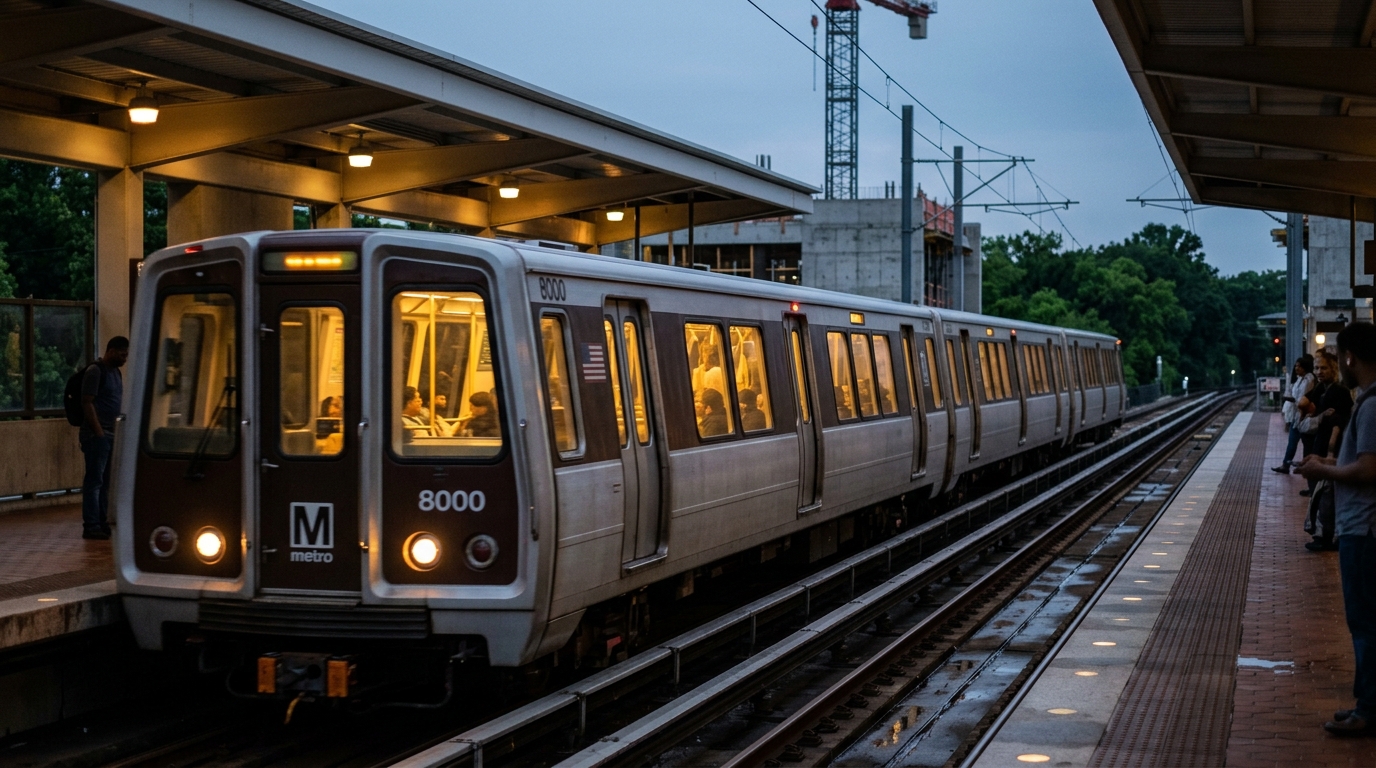
Purple Line's Opening Date Remains "Dynamic" as Construction Nears Finish in Montgomery County and Beyond
The Purple Line, a 16-mile light rail project connecting New Carrollton to Bethesda, is 92% complete, but its official opening date remains "dynamic," according to Maryland Transit Administration officials. While a contractual date of December 2027 exists, safety testing could push the launch into early 2028.
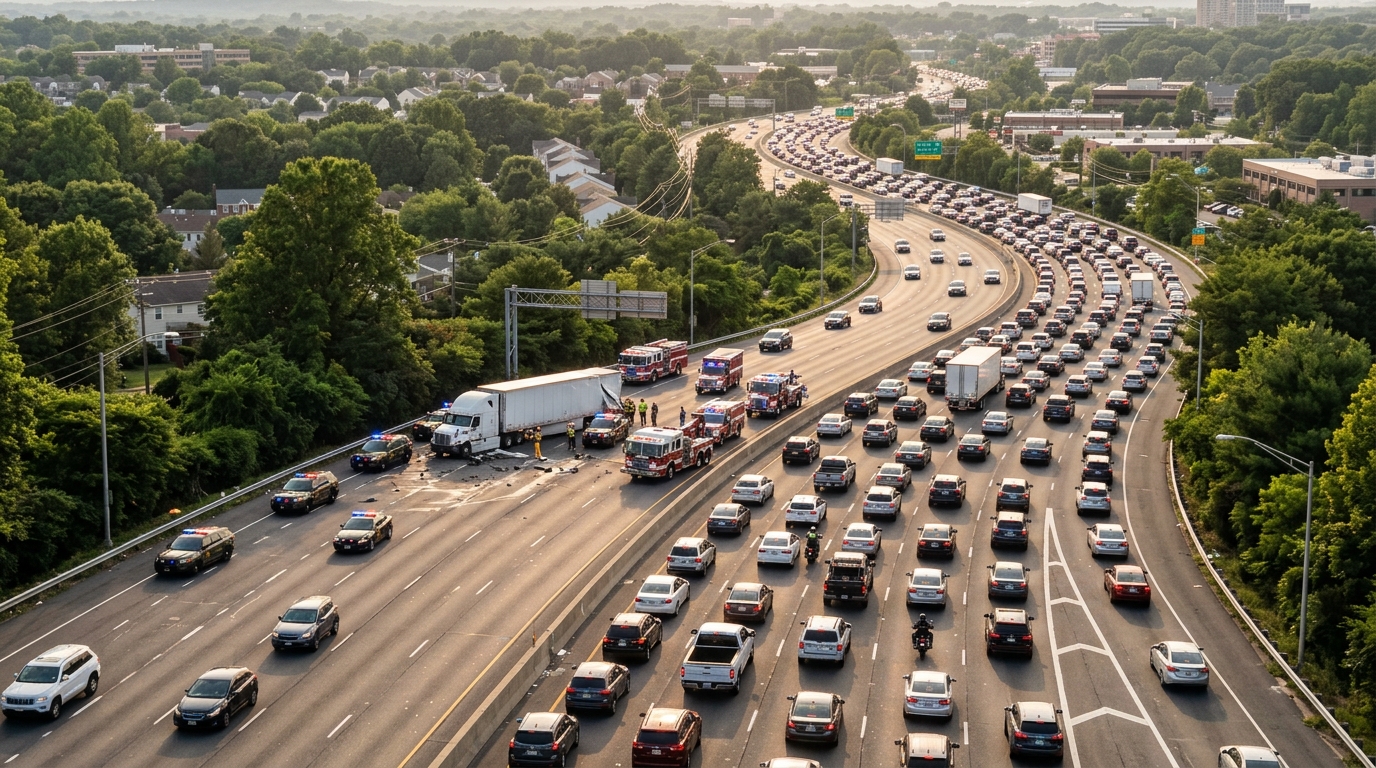
Major Delays on Maryland Beltway After Tractor-Trailer Crash Blocks Lanes
A significant crash involving a tractor-trailer on the Capital Beltway in Maryland blocked two lanes, causing major traffic delays and requiring emergency evaluation of multiple patients. The incident highlights ongoing traffic challenges on I-495 for DMV commuters.

Fatal Crash on Capital Beltway Claims One Life, Injures Another
A recent fatal crash on the Capital Beltway left one dead and another injured, highlighting the dangers on the DMV's busiest highway and causing significant regional traffic disruptions. Maryland State Police are investigating the incident.