Virginia's Redistricting Plan Moves to Supreme Court After Voter Approval
Share this article

Virginia's electoral landscape is poised for a significant shift as the state's redistricting plan, recently approved by voters, now awaits review by the Virginia Supreme Court [1]. This critical next step follows a public referendum where citizens cast their ballots on the proposed redrawing of legislative districts, setting the stage for the judiciary to weigh in on its legality and fairness.
The process of redistricting, which occurs every ten years following the U.S. Census, is fundamental to democratic representation. It involves redrawing the boundaries of congressional and state legislative districts to reflect population changes, ensuring that each district contains roughly the same number of people. In Virginia, this decennial task has historically been a contentious issue, often leading to partisan disputes over district lines.
Voter Endorsement Sets the Stage
The recent voter approval marks a pivotal moment in Virginia's approach to redistricting. By affirming the proposed plan, residents have indicated their support for the map that will define their representation for the next decade [1]. This public endorsement adds a layer of democratic legitimacy to the process, shifting the focus from political debate to judicial scrutiny.
Historically, redistricting has been handled directly by the state legislature, a system that frequently resulted in gerrymandering—the manipulation of district boundaries to favor one political party or group. Virginia's path toward a more independent process has been a topic of extensive debate and reform efforts over recent years. The current framework, which involved a bipartisan commission in its initial stages, aims to reduce partisan influence and increase transparency.
The Supreme Court's Crucial Role
With voter approval secured, the Virginia Supreme Court now holds the responsibility of reviewing the plan. This judicial oversight is designed to ensure that the newly drawn districts comply with both state and federal laws, including the Equal Protection Clause of the Fourteenth Amendment and the Voting Rights Act. The Court's role is to act as a final arbiter, checking for any potential constitutional infirmities or illegal gerrymandering practices.
The Supreme Court's examination will likely focus on several key areas. Judges will evaluate whether the districts are compact and contiguous, avoid diluting the voting power of minority groups, and adhere to population equality standards. This legal review is a standard, yet critical, part of the redistricting cycle, providing a safeguard against potential abuses of power or unintended consequences from the map-drawing process.
Implications for Virginia Residents
The outcome of the Virginia Supreme Court's review will have profound implications for residents across the Commonwealth. The new district lines will determine which communities are grouped together, influencing local representation and how votes are tallied in future elections. This directly affects everything from local school board elections to state legislative races and congressional contests. Understanding the redistricting process is vital for civic engagement, as it shapes the very foundation of electoral power.
For more detailed information on Virginia's governmental processes, residents can visit the official Virginia state government website. Details regarding the state's electoral procedures and historical redistricting information are often available through the Virginia Department of Elections. The Virginia Supreme Court website provides access to court opinions and case information, which will be the primary source for the eventual ruling on the redistricting plan.
Next Steps and Public Awareness
Following the Supreme Court's decision, the approved redistricting plan will officially take effect, shaping elections for the next decade. The Court's timeline for review can vary, but its decision is typically expedited given the importance of having finalized districts well in advance of upcoming election cycles. Citizens interested in the specifics of the redistricting process and its legal framework can often find valuable resources from non-partisan organizations that track electoral reforms, such as the National Conference of State Legislatures.
Keeping informed about the Supreme Court's proceedings and eventual ruling is crucial for all Virginia voters. The new maps will dictate how communities are represented, potentially shifting political influence and the focus of legislative priorities across the state. This current phase underscores the intricate balance between legislative action, public will, and judicial oversight in maintaining a fair and representative democracy.
Explore more on this topic
Related Stories

Fairfax County Public Schools' Federal Funding Lawsuit Revived by Appeals Court
An appeals court has revived Fairfax County Public Schools' lawsuit against the U.S. Department of Education, challenging the withholding of federal funds over the district's policies supporting transgender students. This decision sends the case back to a lower court, marking a critical step for FCPS in its fight to restore millions in federal aid.
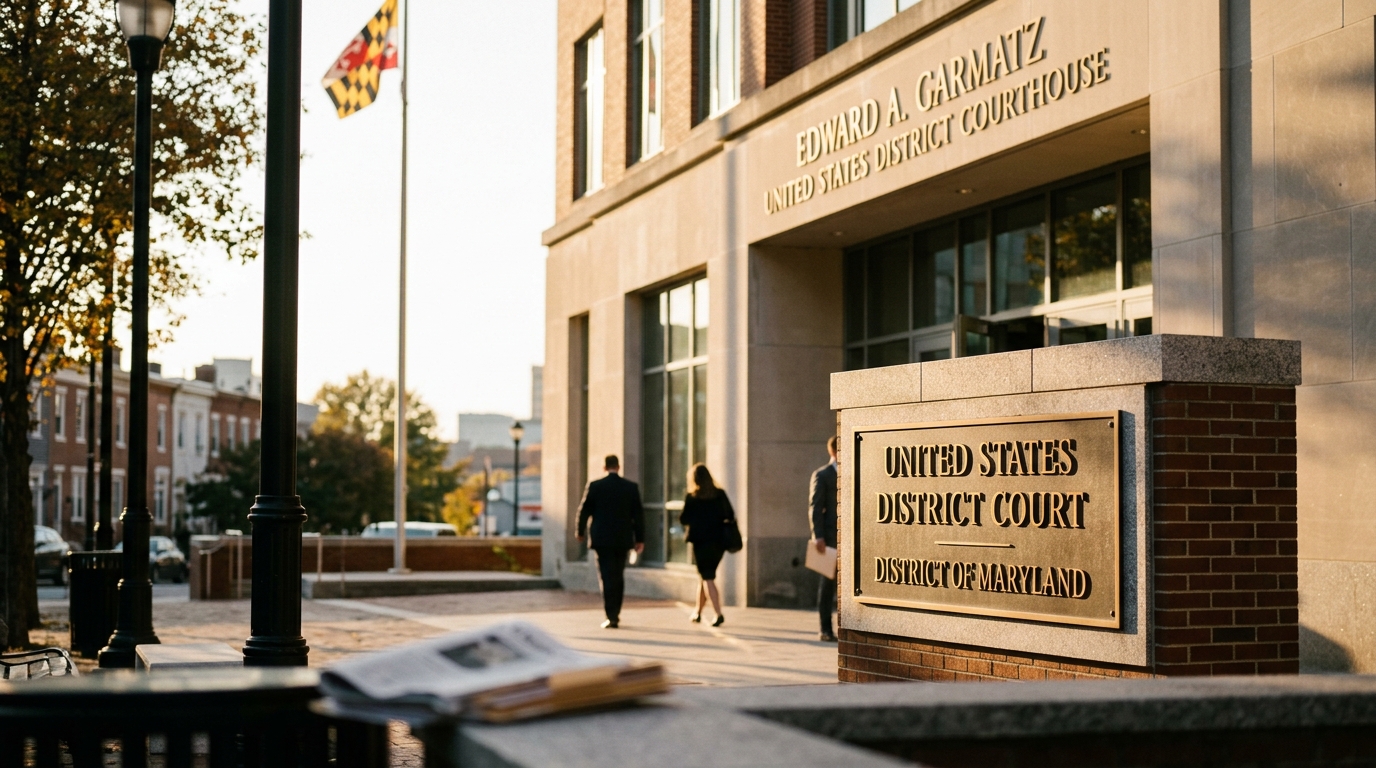
Federal Judge Rejects Maryland Attorney General's Bid for ICE Records on Baltimore Facility
A federal judge has rejected the Maryland Attorney General's bid to obtain records from an ICE detention facility in Baltimore, marking a setback for state-level transparency efforts into federal immigration operations within Maryland.

D.C. Council Member Trayon White Seeks Acquittal in Federal Bribery Case After Mistrial
A federal judge will decide whether to acquit D.C. Council member Trayon White in his bribery case after a mistrial, or allow prosecutors to pursue a retrial. The Ward 8 representative's legal team argues for dismissal, while prosecutors point to recorded evidence.