Virginia Judge Halts Redistricting Referendum Certification Over Legal Violations
Share this article

A Virginia judge has issued a significant ruling that the state's recent redistricting referendum violated several state laws, consequently putting the certification of its vote on hold. This decision introduces a layer of uncertainty into the commonwealth's electoral processes and the future of its legislative district maps, which directly impact voter representation across the state.
The ruling, reported by WTVR.com, signifies a judicial intervention into a critical democratic process. While the specific details of which state laws were deemed broken were not immediately available in the initial report, the implication is that the process or substance of the referendum did not adhere to established legal frameworks governing such statewide ballot initiatives.
Understanding Virginia's Redistricting Process
Redistricting is the process of redrawing electoral district boundaries, typically for the U.S. House of Representatives, the Virginia Senate, and the Virginia House of Delegates. This occurs every ten years following the decennial U.S. Census to ensure districts have roughly equal populations. The outcome profoundly affects political power, voter influence, and the demographic makeup of elected representation.
Historically, redistricting in Virginia has been a politically charged process, often leading to accusations of gerrymandering – the manipulation of district boundaries to favor one political party or group over another. In recent years, there has been a push for reforms aimed at creating a more transparent and non-partisan approach to drawing these crucial maps. Referendums, which allow citizens to vote directly on proposed constitutional amendments or statutes, are one mechanism through which significant changes to state law, including redistricting processes, can be enacted.
The Virginia Constitution outlines the framework for how laws are made and how the state's government operates. Any proposed changes to this foundational document often require a vote by the public through a referendum. For a referendum to be certified, it must not only pass with a majority of votes but also adhere strictly to all procedural and substantive legal requirements as outlined in Virginia's statutes and constitution. The judge's ruling suggests that in this instance, those legal prerequisites were not met.
Implications of a Vote Certification Hold
The immediate consequence of this ruling is that the results of the redistricting referendum cannot be formally recognized by the state. This means the proposed changes or new framework for drawing district lines, if any, cannot move forward as intended until the legal issues are resolved. For voters across the commonwealth, particularly in key areas like Northern Virginia, the Richmond Metro area, and Hampton Roads, this creates a period of uncertainty regarding their future representation.
The power to draw electoral maps typically rests with the state legislature, though some states have moved towards independent commissions or other methods to reduce political influence. A referendum often seeks to alter who draws these maps or the criteria used. A hold on its certification could mean a return to previous methods, or a prolonged legal battle that delays the establishment of new districts, potentially impacting upcoming election cycles.
Virginia's judicial system plays a critical role in upholding the rule of law, including electoral integrity. Courts are often the final arbiters in disputes concerning the legality of legislative actions or ballot initiatives. This ruling underscores the judiciary's responsibility to ensure that all governmental processes, even those approved by popular vote, comply with the existing legal framework of the state.
The Path Forward for Virginia Redistricting
What happens next largely depends on the specific grounds for the judge's ruling and potential appeals. The party or parties whose interests are affected by this hold on certification may choose to appeal the decision to a higher court in Virginia's judicial hierarchy, such as the Supreme Court of Virginia. Such an appeal would prolong the legal process, potentially pushing the final resolution closer to future election deadlines.
The Virginia State Board of Elections, which is responsible for administering elections and certifying results, will undoubtedly be monitoring this situation closely. Their ability to finalize electoral maps and prepare for future elections relies heavily on the clarity and legal standing of the redistricting process. Citizens interested in the specifics of Virginia's electoral laws and processes can consult the Virginia Department of Elections website for official information.
This judicial intervention highlights the complexities inherent in modern redistricting efforts and the checks and balances designed to ensure fairness and legality. As the situation unfolds, residents of Virginia will be watching to see how this ruling ultimately shapes their representation for the coming decade. Understanding the state's legislative and judicial processes is crucial for informed participation in its democracy, detailed further on the official Commonwealth of Virginia website and through the Virginia General Assembly's legislative information system.
Explore more on this topic
Related Stories

Fairfax County Public Schools' Federal Funding Lawsuit Revived by Appeals Court
An appeals court has revived Fairfax County Public Schools' lawsuit against the U.S. Department of Education, challenging the withholding of federal funds over the district's policies supporting transgender students. This decision sends the case back to a lower court, marking a critical step for FCPS in its fight to restore millions in federal aid.
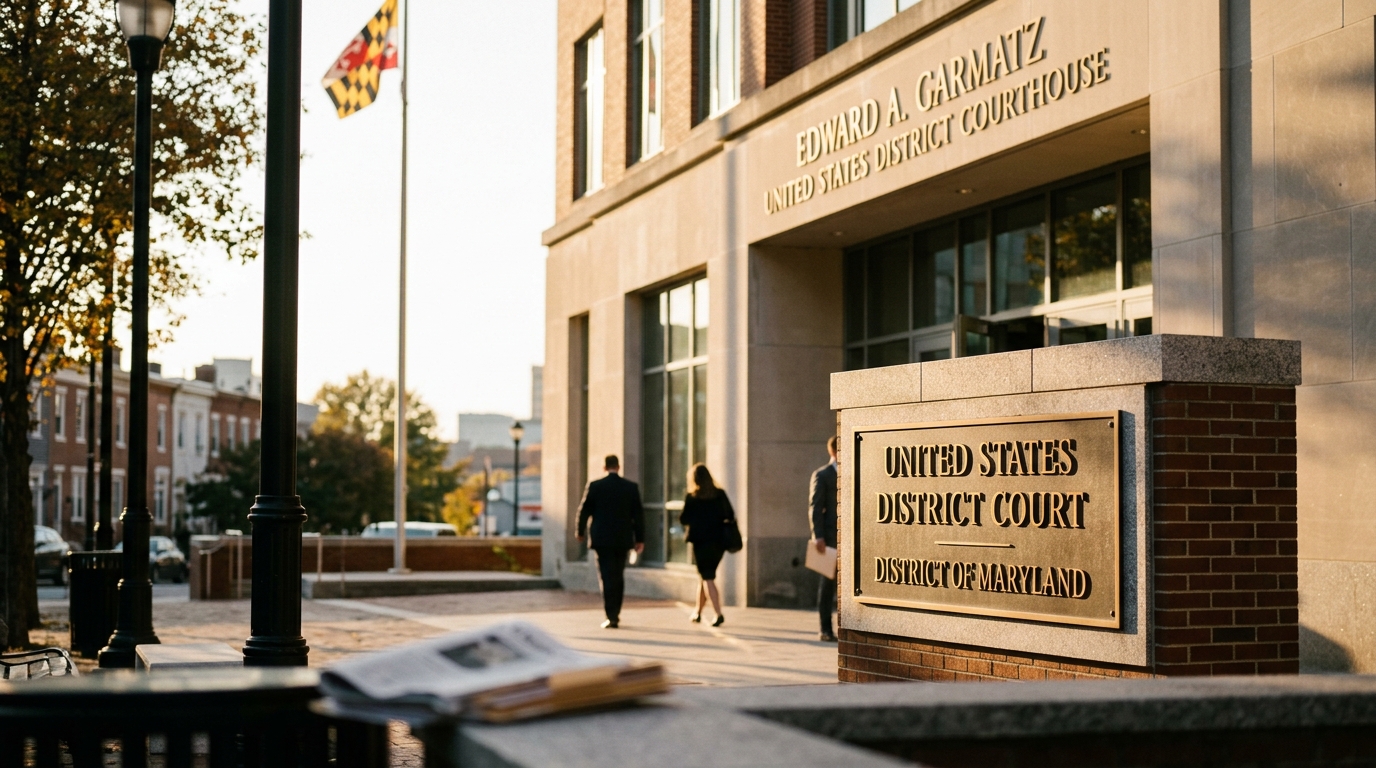
Federal Judge Rejects Maryland Attorney General's Bid for ICE Records on Baltimore Facility
A federal judge has rejected the Maryland Attorney General's bid to obtain records from an ICE detention facility in Baltimore, marking a setback for state-level transparency efforts into federal immigration operations within Maryland.

D.C. Council Member Trayon White Seeks Acquittal in Federal Bribery Case After Mistrial
A federal judge will decide whether to acquit D.C. Council member Trayon White in his bribery case after a mistrial, or allow prosecutors to pursue a retrial. The Ward 8 representative's legal team argues for dismissal, while prosecutors point to recorded evidence.