Virginia Governor Voices Concern Over Redistricting Battle's Impact on Fall Voter Turnout
Share this article
The Anatomy of Redistricting and Its Political Stakes
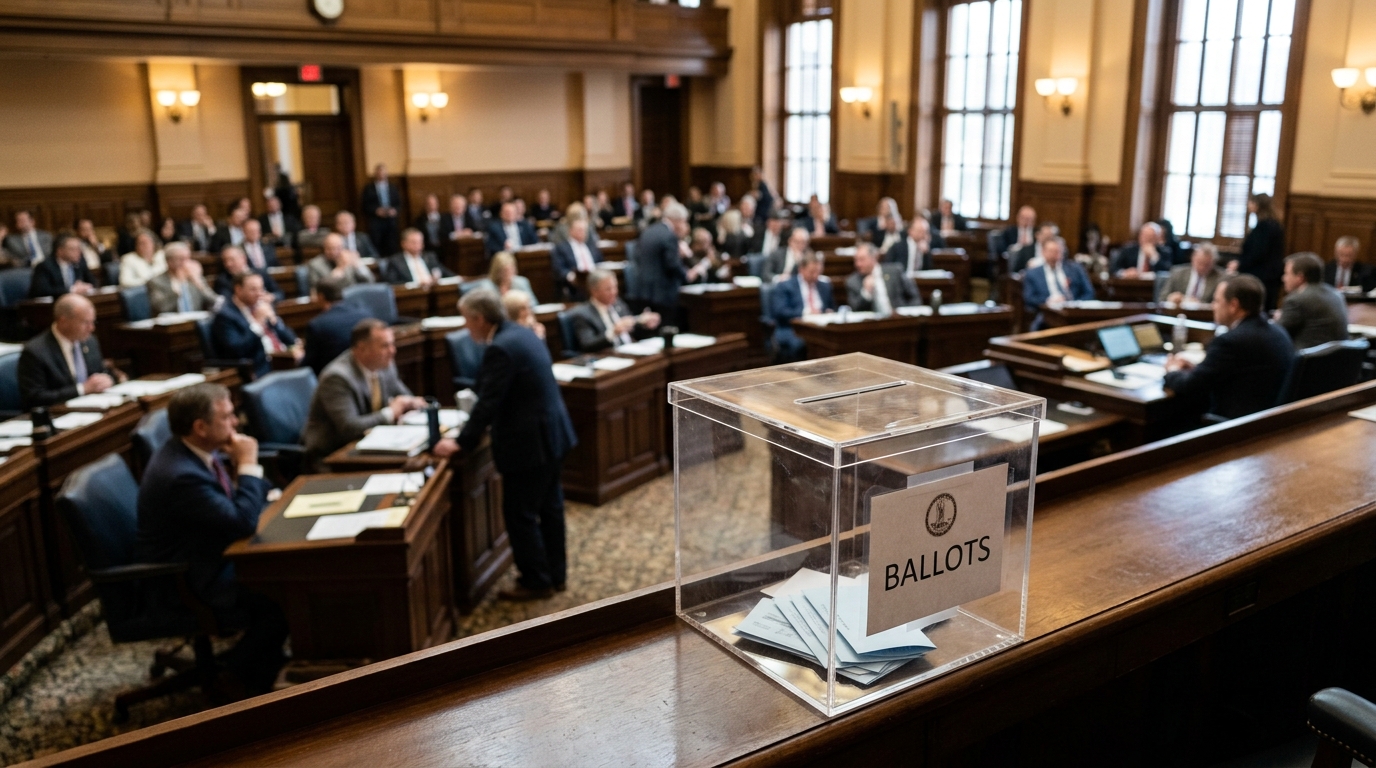
At its core, redistricting is the process of redrawing electoral district boundaries to ensure that each district contains roughly the same number of people, as mandated by the U.S. Constitution's decennial census. This isn't just a technical exercise; it's a profound political act that determines how power is allocated for the next decade. In Virginia, like many states, this process has historically been a flashpoint for partisan contention, with both major parties vying to create maps that favor their candidates. The stakes are incredibly high. These maps dictate the composition of the Virginia House of Delegates and the State Senate, as well as the Commonwealth's congressional districts. The way districts are drawn can make elections highly competitive or virtually guarantee a win for one party, impacting everything from legislative priorities to local funding decisions. When lines are manipulated to favor one party over another, a practice known as gerrymandering, it can lead to districts where incumbents are almost unbeatable, reducing the incentive for voters to participate if they feel their vote won't change the outcome.When Redistricting Becomes a "Battle"
The governor's use of the term "redistricting battle" suggests that Virginia's current map-drawing process is anything but a smooth, consensus-driven affair [1]. Such battles typically involve intense legal challenges, legislative stalemates, and often, intervention from state or federal courts. These disputes can arise from disagreements over demographic data, the interpretation of voting rights laws, or accusations of partisan gerrymandering designed to dilute the power of certain communities or political groups. A "battle" implies that the maps aren't settled, or that their legality is still under review. This uncertainty creates a challenging environment for voters. When district lines are in flux, or subject to court challenges, it can be unclear which district a voter resides in, who their candidates are, or even which ballot they should receive. This ambiguity can be particularly frustrating for first-time voters or those new to an area, adding layers of complexity to an already important civic duty.Why Voters Might Hesitate to Cast a Ballot
The governor's concern about voter reluctance isn't just theoretical; it's rooted in the practical and psychological effects of a drawn-out redistricting fight [1]. When electoral maps are constantly challenged or changed, it can lead to several forms of voter disengagement: * **Confusion and Uncertainty:** Voters might not know which district they're in, who represents them, or who their candidates are. This lack of clear information can be a significant barrier to participation. Imagine trying to research candidates when you're not even sure which race you're voting in. * **Cynicism and Disillusionment:** A highly partisan battle over district lines can make voters feel that the system is rigged, or that politicians are more interested in securing power than in fair representation. This can breed cynicism, leading people to believe their vote doesn't matter, regardless of how much effort they put in. The Brennan Center for Justice has extensively documented how gerrymandering can distort democratic outcomes and suppress voter participation. * **Voter Fatigue:** Constant news about legal challenges, court rulings, and political maneuvering can simply exhaust voters. The energy required to stay informed about the shifting landscape might deter some from engaging with the electoral process altogether. * **Accessibility Issues:** Changes to district lines can also affect polling places and voter registration rolls. If these changes aren't communicated clearly and effectively by the Virginia Department of Elections, voters might face unexpected hurdles on Election Day, further contributing to reluctance. These factors combine to create an environment where the democratic process itself feels less accessible and less meaningful, precisely the outcome the new governor fears.The Governor's Stakes and the Fall Elections
For a new governor, ensuring robust voter participation is paramount. High turnout lends legitimacy to election results and strengthens the democratic mandate for elected officials. A widespread reluctance to vote, particularly in a critical election cycle, could be seen as a reflection of public dissatisfaction with the political process or even with the state's leadership. The "fall" elections in Virginia typically include critical state legislative races for the House of Delegates and State Senate, as well as numerous local contests for county boards of supervisors, city councils, and school boards. These elections directly impact residents' daily lives, influencing everything from property taxes and school funding to public safety and transportation projects. If voter turnout is low due to redistricting confusion, the results might not accurately reflect the will of the people, potentially leading to less representative governance. Moreover, the outcome of these legislative races will significantly shape the governor's ability to advance their policy agenda. A legislature with a narrow majority, or one with a composition that doesn't align with the governor's political party, can lead to legislative gridlock and difficulty in passing key initiatives. Thus, the concern over voter reluctance isn't just about civic duty; it's also deeply intertwined with the practicalities of governing. The health of Virginia's democracy and the effectiveness of its government are both on the line. More general information about Virginia's electoral processes can be found on the official Commonwealth of Virginia elections portal.What This Means for Northern Virginia Residents
While the redistricting battle is a statewide issue, its implications are keenly felt in Northern Virginia. Fairfax, Arlington, Loudoun, and Prince William counties, along with the cities of Alexandria and Falls Church, are densely populated and politically diverse. Residents here rely heavily on their state representatives to advocate for their interests in Richmond, particularly concerning issues like Metro funding, transportation infrastructure, and economic development that are unique to this metropolitan area. If voters in these areas become reluctant to cast ballots due to confusion or cynicism, it could disproportionately affect the outcome of closely contested races. Many legislative districts in Northern Virginia are swing districts, meaning that even a slight drop in turnout could tip the balance. This could lead to representatives being elected with a smaller mandate, or to changes in representation that don't fully reflect the diverse perspectives of the region. Northern Virginia residents should pay close attention to updates from the Virginia Department of Elections regarding district lines, polling places, and voter registration deadlines. Staying informed is the best defense against the confusion that a redistricting battle can create. The governor's concern serves as a potent reminder for all Virginians, especially those in the DMV, to remain vigilant and engaged in the electoral process, ensuring their voices are heard despite any political turbulence.📍 Local Resources for Virginia Voters
Official source for voter registration, election information, and district details across Virginia.
Specific resources for voters in Fairfax County, including local polling place information and registration assistance.
Information for Arlington County residents on voter registration, absentee voting, and election day logistics.
What's Next for Virginia Voters?
As the fall elections draw nearer, all eyes will be on how this redistricting battle unfolds and whether the governor's concerns materialize into reduced voter turnout. Residents across Virginia, especially those in the DMV, should closely monitor official announcements from the Virginia Department of Elections and local county election offices. Understanding your specific district, knowing your candidates, and being aware of any changes to polling locations will be crucial. The outcome of this redistricting saga will not only shape the political map but also test the resilience and engagement of Virginia's electorate.Explore more on this topic
Related Stories

Alexandria Voters Show Strong Support as Virginia Approves Three Constitutional Amendments
Virginia voters have approved three constitutional amendments, with Alexandria residents showing particularly strong support, outpacing statewide margins in the unofficial election results from Tuesday, November 3.
Wes Moore 2028 Buzz Heats Up: What Maryland Governor's National Profile Means for the DMV
Speculation about Maryland Governor Wes Moore's potential 2028 presidential bid is intensifying after his recent reelection, raising questions about what his national profile could mean for the state and the DMV region.

Fairfax County Proposes Major Polling Site and Boundary Shifts for 2027 Elections
Fairfax County officials are proposing significant changes to voting precincts and polling sites for the 2027 elections, aiming to streamline the process and adapt to the county's growth. These adjustments could mean new voting locations and redrawn district lines for thousands of residents.