Elections
Anne Arundel County
Wes Moore 2028 Buzz Heats Up: What Maryland Governor's National Profile Means for the DMV
Share this article

Advertisement
The political rumor mill in Maryland is churning, and the subject is none other than Governor Wes Moore. Fresh off what appears to be a successful reelection, questions about his future beyond Annapolis are growing louder, with many eyes already fixed on the 2028 presidential race. It’s a classic political dance: a rising star, a strong local mandate, and the inevitable whispers of national ambition. For Marylanders, and indeed for the broader DMV region, this isn't just abstract political chatter. The prospect of a sitting governor garnering serious national attention, and potentially launching a presidential bid, carries real implications for the state’s leadership, policy priorities, and its visibility on the national stage. The Baltimore Banner recently highlighted this burgeoning speculation, noting that "Reelection. Check. Now, Wes Moore 2028 questions grow louder" [1]. It’s a signal that what was once quiet conjecture is now becoming a more prominent part of the political conversation.
The Rise of a Political Star
Governor Moore’s rapid ascent in Maryland politics has been remarkable. His background as a Rhodes Scholar, an Army combat veteran, and a successful author and businessman provided a compelling narrative that resonated with voters. He made history as Maryland's first Black governor, a significant milestone that immediately drew national attention to his leadership and policy agenda. Since taking office, his administration has focused on key areas like economic opportunity, education, and public service, often emphasizing a collaborative approach that seeks to bridge divides. Governors, by the nature of their executive roles, often find themselves positioned as potential presidential candidates. They manage large state budgets, oversee diverse agencies, and navigate complex legislative landscapes, gaining practical executive experience that appeals to a national electorate. This hands-on experience in governance can often be seen as a strong credential for the White House, distinguishing them from congressional leaders or other political figures. The National Governors Association regularly showcases the policy innovations and leadership roles state executives play, underscoring their unique position in the American political system.Speculation about a Maryland Governor's potential presidential bid in 2028 is intensifying.
What a National Bid Could Mean for Maryland
Should Governor Moore decide to explore a presidential run, the effects on Maryland would be multifaceted. On one hand, it could elevate the state's profile, drawing more national investment, media attention, and potentially influencing federal policy discussions in ways beneficial to Maryland. Having a sitting governor actively campaigning for the highest office means the state's issues and successes would be highlighted on a national platform. This increased visibility could translate into greater opportunities for tourism, business, and cultural exchange. However, a presidential campaign is an all-consuming endeavor. It requires immense time, energy, and resources, often pulling a governor away from day-to-day state affairs. While a lieutenant governor would step up to manage many responsibilities, the primary leader's focus would inevitably shift. Maryland residents might wonder how this balance would be maintained, and what impact it could have on ongoing legislative efforts, budget negotiations, and critical statewide initiatives. The official Maryland government website outlines the vast responsibilities of the governor's office, from managing the state budget to appointing officials and overseeing various departments.The Long Road to 2028
While 2028 seems a long way off, the groundwork for presidential campaigns often begins years in advance. Potential candidates start building national networks, raising funds, and testing messages through speaking engagements and policy initiatives. This early positioning allows them to gauge public interest and support, as well as to craft a compelling vision for the country. Political analysts often look at a candidate's fundraising prowess, their ability to connect with diverse voter blocs, and their performance in their current office as indicators of national viability. The political landscape is constantly shifting, and what makes a candidate appealing today might change tomorrow. Factors such as the national economy, geopolitical events, and the evolving concerns of the electorate will all play a role in shaping the 2028 race. Historically, governors like Bill Clinton, George W. Bush, and Ronald Reagan all successfully parlayed their state executive experience into presidential nominations and ultimately the White House, demonstrating a clear path for those with a strong gubernatorial record. Observing how current governors navigate their terms while building a national profile is a common practice among political observers, as detailed by outlets like Politico, which frequently covers early presidential speculation. The growing buzz around Governor Moore’s 2028 prospects reflects both his individual political strength and the broader trend of governors becoming significant players in national politics. For DMV residents, this means keeping a close eye not just on state policy, but on the evolving national political landscape and how it might draw Maryland’s top official into the fray. The next few years will certainly be interesting as these questions continue to grow louder, shaping not only Maryland's future but potentially the nation's as well. What Governor Moore chooses to do, and how he manages these growing expectations, will be a defining aspect of his time in Annapolis.Advertisement
Explore more on this topic
Related Stories

Elections
Fairfax County Proposes Major Polling Site and Boundary Shifts for 2027 Elections
Fairfax County·Elections
Fairfax County officials are proposing significant changes to voting precincts and polling sites for the 2027 elections, aiming to streamline the process and adapt to the county's growth. These adjustments could mean new voting locations and redrawn district lines for thousands of residents.
about 2 hours ago4 min read

Elections
DC Voters Approve Foie Gras Ban, Reshaping City's Culinary Landscape
Elections
about 3 hours ago4 min read
Elections
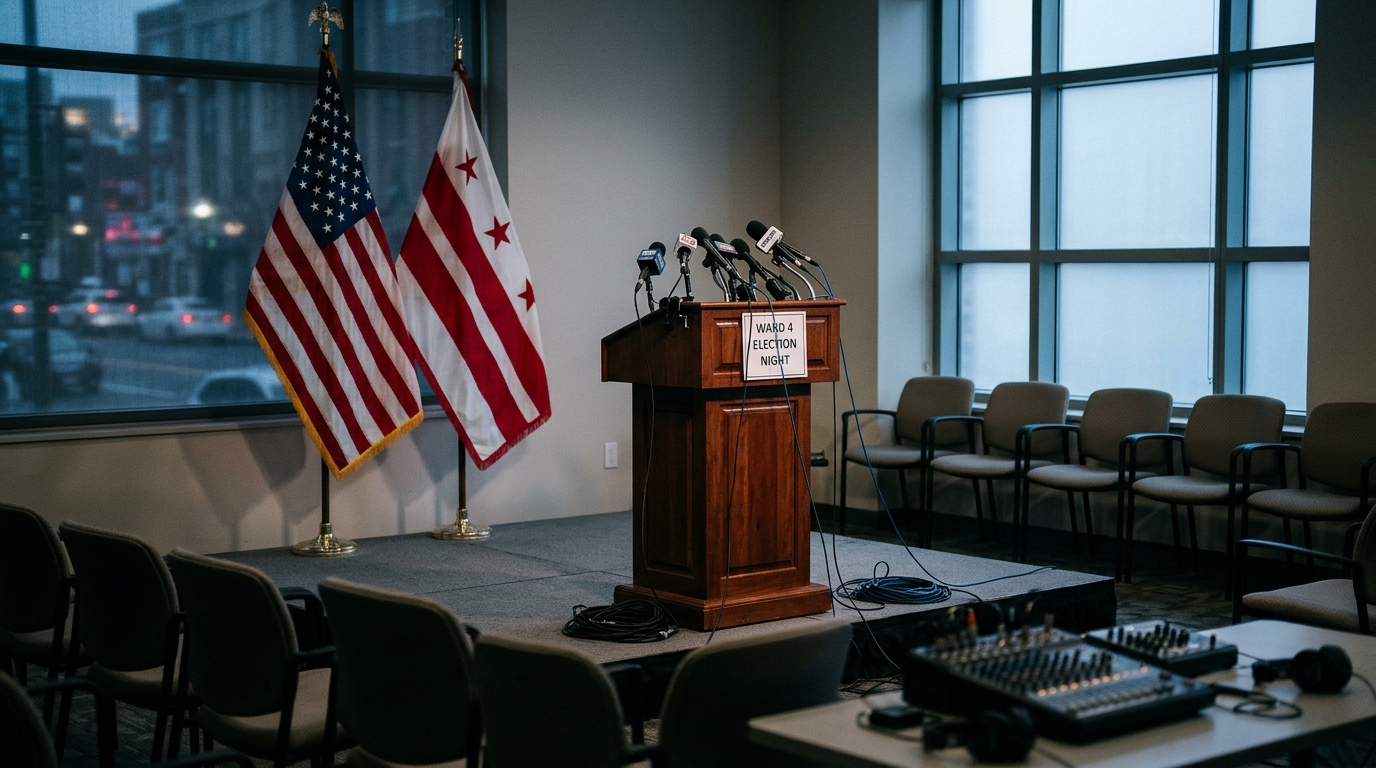
Councilmember Janeese Lewis George Delivers Victory Speech on Election Night for Ward 4
Elections
DC Councilmember Janeese Lewis George delivered her victory speech on election night, reaffirming her commitment to Ward 4 residents. Her re-election signals continued focus on critical local issues like affordable housing and public safety across diverse neighborhoods including Petworth and Takoma.
about 11 hours ago4 min read