Virginia Circuit Court Invalidates Redistricting Amendment, Halts Certification
Share this article

A Virginia circuit court has issued a significant ruling, invalidating a redistricting amendment and consequently blocking its certification, according to a report from FOX 5 DC[1]. This judicial action marks a critical development in the ongoing process of establishing electoral maps in the Commonwealth, potentially reshaping the future political landscape for voters across Virginia.
The decision by the circuit court halts the official recognition of an amendment related to redistricting, a process that determines the boundaries of electoral districts for congressional, state legislative, and local races. Such a ruling can have profound implications for how citizens are represented and how political power is distributed within the state.
Understanding Redistricting in Virginia
Redistricting is a constitutionally mandated process that occurs every ten years following the U.S. Census. Its purpose is to ensure that electoral districts have roughly equal populations, reflecting demographic shifts. In Virginia, as in many states, this process has historically been contentious, often leading to legal challenges over fairness and partisan influence. The drawing of these lines can significantly impact election outcomes, making the court's intervention particularly impactful.
Virginia's approach to redistricting has seen various reforms over the years, aiming to create a more transparent and equitable system. The amendment in question, which the circuit court has now invalidated, was likely part of these efforts or a subsequent modification to the established framework. The specific details of the amendment and the grounds for its invalidation were not immediately available in the initial report[1], but the court's decision signals a judicial review of its legality or implementation.
The Court's Role and the Amendment Process
Virginia's judicial system plays a crucial oversight role in ensuring that legislative processes, including those related to elections and constitutional amendments, adhere to legal standards. Circuit courts are courts of general jurisdiction in Virginia, handling a wide range of civil and criminal cases, including appeals from lower courts and challenges to state actions. Their decisions often have direct and immediate consequences for state policy and law.
When a court "invalidates" an amendment, it typically means the court has found the amendment, or the process by which it was adopted, to be contrary to existing law, the state constitution, or potentially even the U.S. Constitution. "Blocking certification" means the amendment cannot be formally recognized or implemented, preventing it from taking effect. This action effectively freezes the amendment's progress, maintaining the status quo or reverting to a previous legal framework regarding redistricting.
The process for amending Virginia's constitution or legislative acts is rigorous, designed to ensure broad consensus and legal soundness. Challenges to these processes are not uncommon, especially when they touch upon fundamental aspects of governance like electoral representation. For more information on Virginia's legislative and amendment processes, residents can consult the Virginia General Assembly website.
Implications for Virginia's Electoral Landscape
The immediate consequence of this ruling is uncertainty surrounding the specific redistricting rules or maps that the invalidated amendment sought to establish or modify. This could mean that previous redistricting guidelines remain in effect, or it could necessitate further action by the state legislature, the redistricting commission, or even higher courts to resolve the legal limbo. The Virginia Department of Elections provides resources for understanding current electoral boundaries and voter registration information.
For voters and political candidates, clarity on district boundaries is paramount for effective participation in elections. Any delay or change in the redistricting framework can affect campaign strategies, voter outreach, and ultimately, election outcomes. This ruling highlights the complex interplay between judicial review, legislative action, and the democratic process.
Next Steps and Potential Outcomes
While the initial report from FOX 5 DC[1] did not detail the specific amendment or the court's full reasoning, such a significant ruling often leads to several potential next steps. The parties involved in the amendment's creation or advocacy might consider an appeal to a higher court, such as the Supreme Court of Virginia. Alternatively, the General Assembly might need to revisit the issue, potentially drafting new legislation or a revised amendment that addresses the court's concerns.
The ongoing legal and political discussions surrounding redistricting underscore its critical importance in shaping fair and representative governance. Residents interested in understanding the structure and function of Virginia's courts can explore the Virginia Judicial System website.
Further developments regarding this ruling and its long-term effects on Virginia's electoral system are expected as officials and legal experts analyze the court's decision and determine subsequent actions.
📍 Local Resources
Provides information on voter registration, election dates, polling places, and district maps for Virginia residents.
Official source for legislative information, including details on bills, laws, and the process of constitutional amendments in Virginia.
Connects individuals with attorneys who can provide legal advice on various matters, including constitutional law and governmental affairs.
Explore more on this topic
Related Stories

Fairfax County Public Schools' Federal Funding Lawsuit Revived by Appeals Court
An appeals court has revived Fairfax County Public Schools' lawsuit against the U.S. Department of Education, challenging the withholding of federal funds over the district's policies supporting transgender students. This decision sends the case back to a lower court, marking a critical step for FCPS in its fight to restore millions in federal aid.
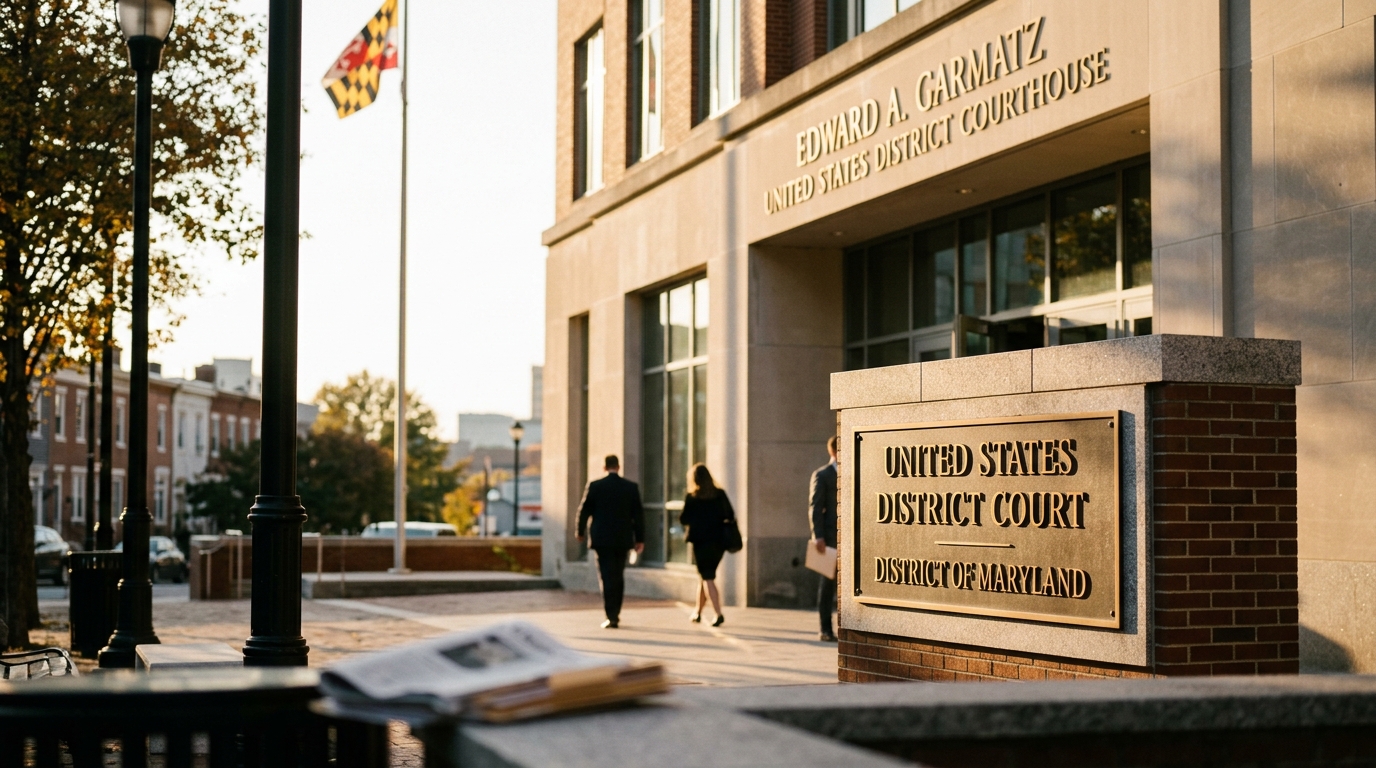
Federal Judge Rejects Maryland Attorney General's Bid for ICE Records on Baltimore Facility
A federal judge has rejected the Maryland Attorney General's bid to obtain records from an ICE detention facility in Baltimore, marking a setback for state-level transparency efforts into federal immigration operations within Maryland.
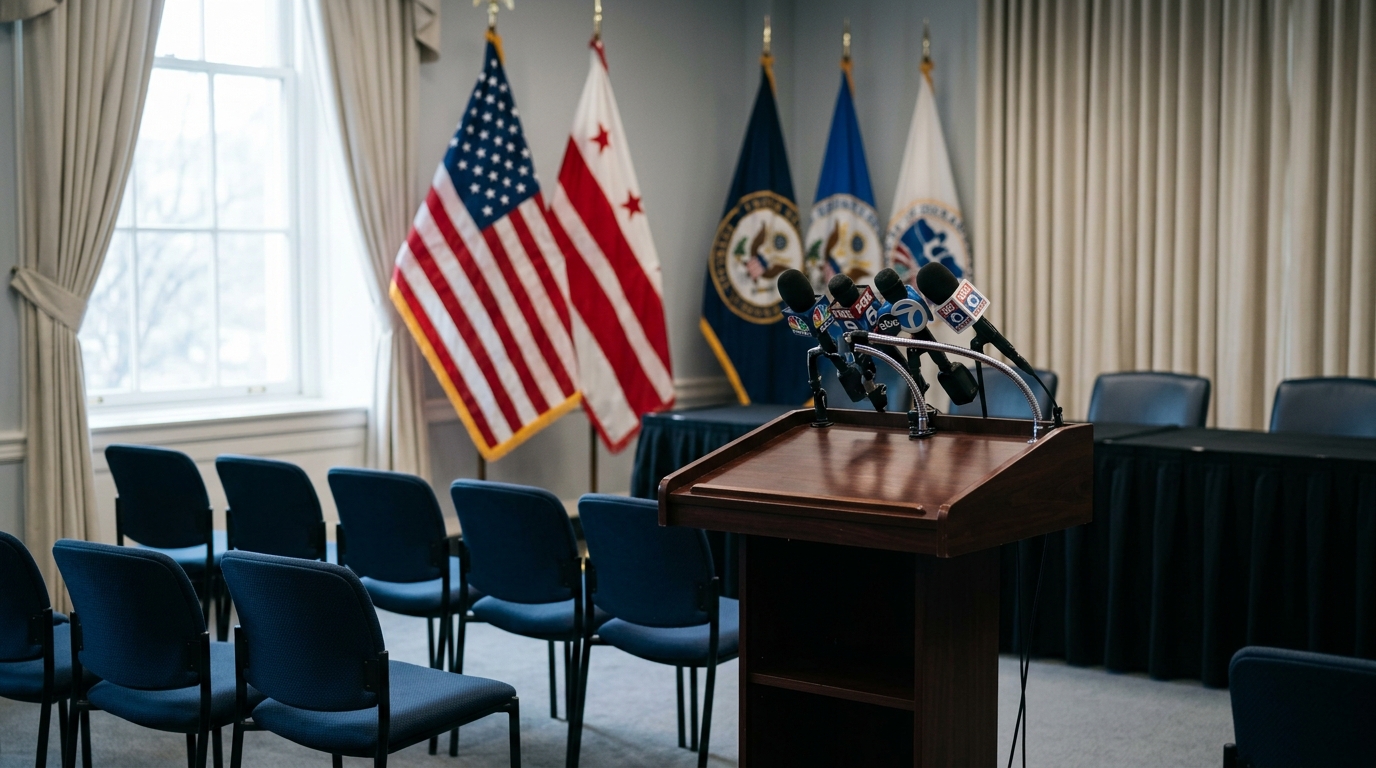
D.C. Council Member Trayon White Seeks Acquittal in Federal Bribery Case After Mistrial
A federal judge will decide whether to acquit D.C. Council member Trayon White in his bribery case after a mistrial, or allow prosecutors to pursue a retrial. The Ward 8 representative's legal team argues for dismissal, while prosecutors point to recorded evidence.