Supreme Court Limits Race's Role in Redistricting, Shaking Up Electoral Maps
Share this article
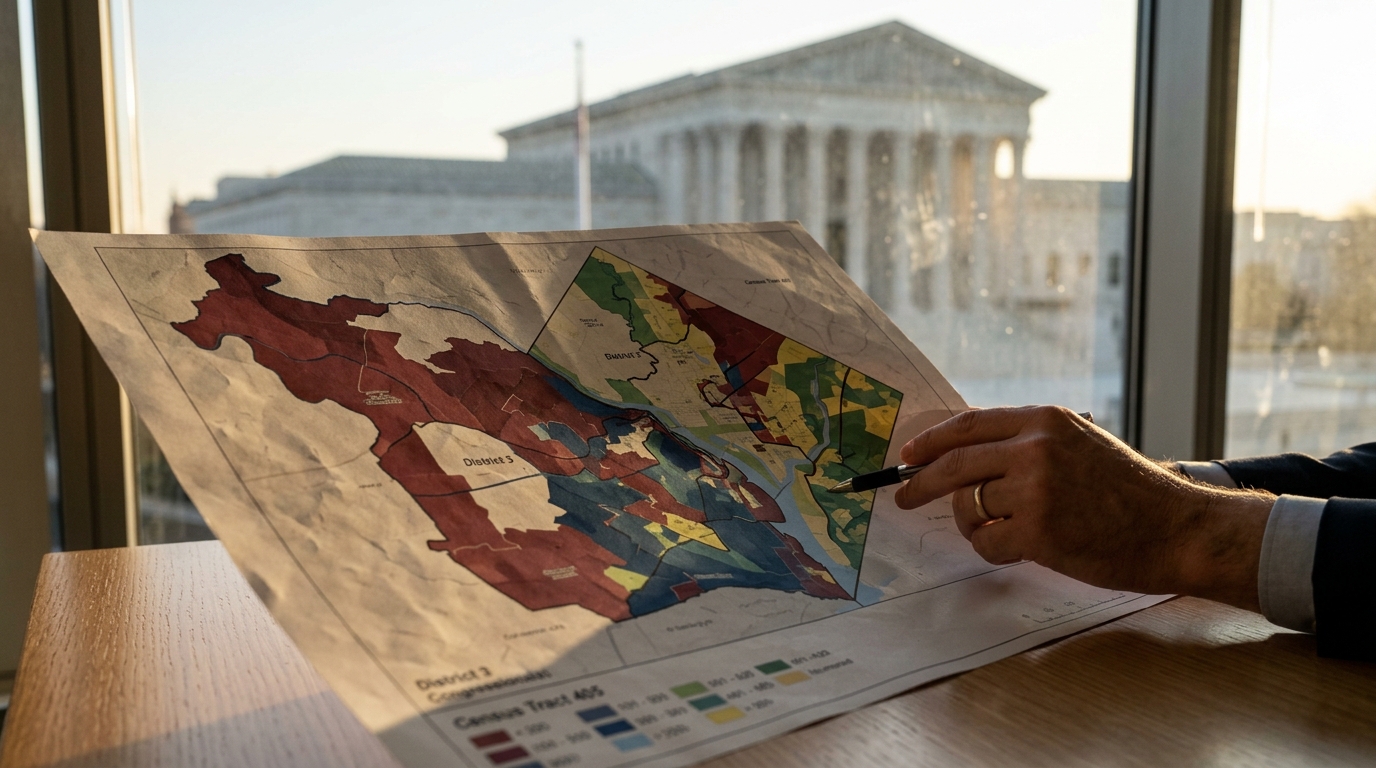
Understanding the Redistricting Challenge
Redistricting happens every ten years after the U.S. Census, when states redraw their congressional and legislative districts to reflect population changes. The goal is to ensure roughly equal populations in each district, adhering to the "one person, one vote" principle. However, the process is inherently political, often leading to accusations of gerrymandering, where districts are drawn to favor one party or demographic group over another. The use of race in this process has been particularly scrutinized. Past Supreme Court decisions have established that while race can be a factor in drawing districts to comply with the Voting Rights Act, it cannot be the "predominant" factor without a compelling governmental interest. This new ruling, as reported by News4 Rundown, further refines or restricts that allowance, signaling a potentially tougher standard for districts where race appears to be a primary consideration. This could mean fewer districts are drawn with the explicit intent of creating majority-minority areas, which some argue are crucial for ensuring minority representation.Potential Ramifications for DMV Voters
While the immediate case may not directly involve a DMV district, the legal precedent set by the Supreme Court is binding nationwide. This means that future redistricting cycles in Maryland, Virginia, and the District of Columbia will have to operate under these newly clarified or tightened rules. For Maryland, which saw significant legal challenges to its congressional maps in the last decade, this ruling could influence how its next set of districts are drawn. Similarly, Virginia, a state with diverse demographics and a history of closely contested elections, will also need to consider this precedent carefully. The District of Columbia, with its unique status and single congressional delegate, primarily focuses on ward-level redistricting, but the underlying principles about race and representation remain relevant.Looking Ahead: What This Means for Local Elections
The Supreme Court's decision underscores the ongoing legal and political battle over fair representation. While states will continue to draw their maps, the parameters for doing so have shifted. This means that advocacy groups, civil rights organizations, and political parties will be closely monitoring how these new guidelines are applied in upcoming cycles. DMV residents should pay close attention to local legislative efforts and court challenges related to redistricting. Understanding how your district is drawn and who it's designed to represent is fundamental to democratic participation. The U.S. Election Assistance Commission provides valuable information on voter registration and election administration. The next major redistricting efforts will follow the 2030 Census, but legal challenges and special elections could bring these issues to the forefront much sooner. Staying informed and engaged in the electoral process is more important than ever.📍 Local Resources for DMV Voters
Information on voter registration, polling places, and election results for District of Columbia residents.
Provides resources for Maryland voters, including how to register, find your polling place, and absentee voting information.
Official source for voter registration, election laws, and candidate information for residents of Virginia.
Explore more on this topic
Related Stories

Fairfax County Public Schools' Federal Funding Lawsuit Revived by Appeals Court
An appeals court has revived Fairfax County Public Schools' lawsuit against the U.S. Department of Education, challenging the withholding of federal funds over the district's policies supporting transgender students. This decision sends the case back to a lower court, marking a critical step for FCPS in its fight to restore millions in federal aid.
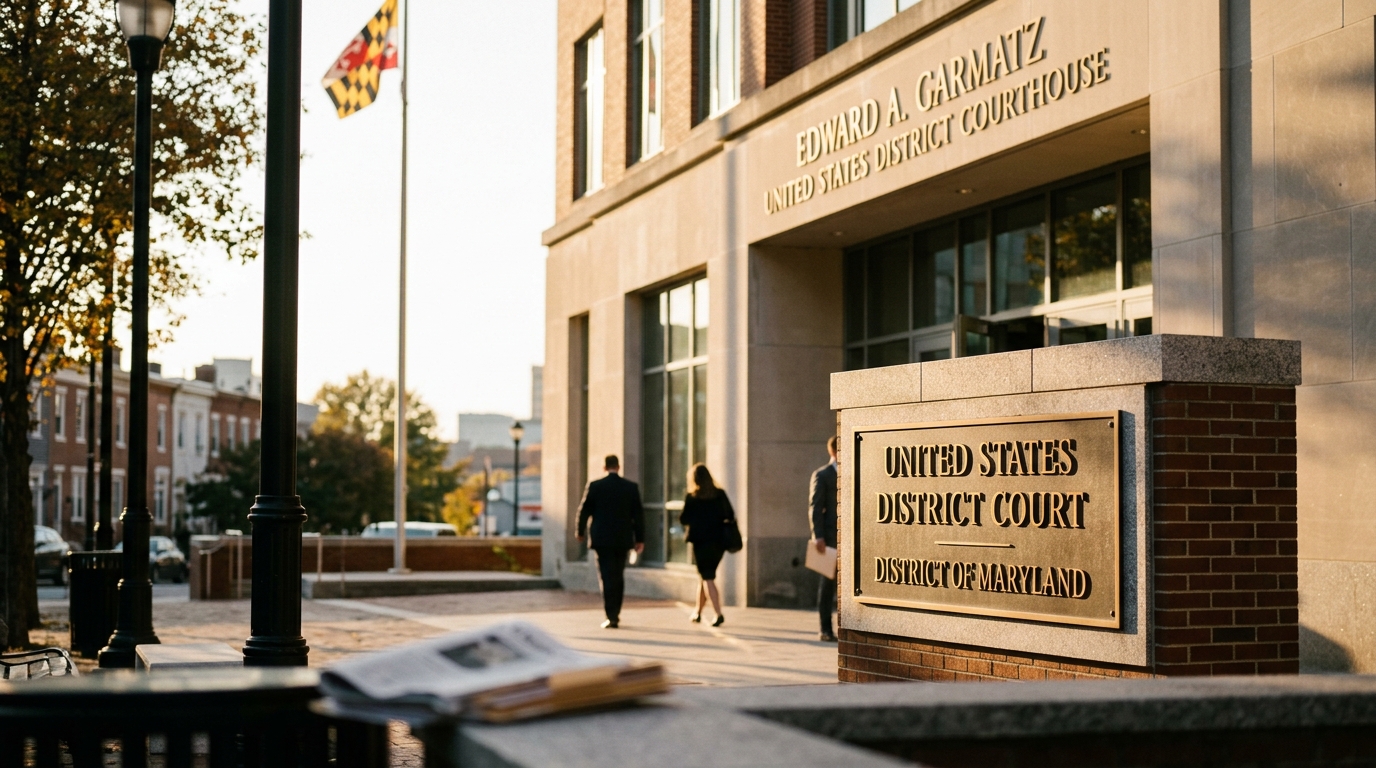
Federal Judge Rejects Maryland Attorney General's Bid for ICE Records on Baltimore Facility
A federal judge has rejected the Maryland Attorney General's bid to obtain records from an ICE detention facility in Baltimore, marking a setback for state-level transparency efforts into federal immigration operations within Maryland.

D.C. Council Member Trayon White Seeks Acquittal in Federal Bribery Case After Mistrial
A federal judge will decide whether to acquit D.C. Council member Trayon White in his bribery case after a mistrial, or allow prosecutors to pursue a retrial. The Ward 8 representative's legal team argues for dismissal, while prosecutors point to recorded evidence.