Supreme Court Split on Geofence Warrants, Raising DMV Privacy Concerns
Share this article

The Nuts and Bolts of Geofence Warrants
At its heart, a geofence warrant essentially draws a digital perimeter around a crime scene or area of interest. Police then ask companies like Google or Apple to hand over anonymized data for every device that entered or exited that perimeter within a set period. If a device's movements seem suspicious, law enforcement can then seek a second warrant to unmask the owner's identity.High Stakes for Digital Privacy
For DMV residents, a region deeply intertwined with federal government operations, technology, and a high concentration of mobile device users, the court's decision carries particular weight. Many commute through areas that could easily become the subject of a geofence warrant, from Metro stations to popular landmarks. An adverse ruling could mean that simply being present in a public space, with a smartphone in your pocket, could inadvertently subject your personal location history to government scrutiny. The case forces a direct confrontation between evolving surveillance technology and long-standing constitutional protections. While the Supreme Court appears split, the impending decision will offer significant guidance on how courts should balance individual privacy rights against the needs of criminal investigations in the digital age. Understanding these rights is crucial, especially when your digital footprint is constantly expanding. More information on Fourth Amendment protections can be found on the U.S. Courts website.What This Means for DMV Law Enforcement
If the Supreme Court upholds the broad use of geofence warrants, local police departments across the DMV — from the Metropolitan Police Department in D.C. to county forces in Maryland and Virginia — could see an expansion of their investigative capabilities. Conversely, a ruling that limits or restricts these warrants would likely require law enforcement to develop more targeted approaches, potentially increasing the burden for obtaining such data. The decision won't just impact how police conduct investigations; it will also influence how tech companies handle user data when faced with government requests. TechCrunch reports that the top court is expected to rule on whether to allow police to identify criminal suspects by dragnet searching the databases of tech giants [1]. This means companies might need to adjust their data retention policies or their protocols for responding to legal demands, which could have ripple effects on the digital services DMV residents use daily.The Road Ahead
As the Supreme Court deliberates, legal experts and privacy advocates are closely watching. A ruling is anticipated in the coming months, and it will undoubtedly spark extensive debate regardless of the outcome. This decision isn't just about a single case; it's about setting a precedent for digital privacy in an increasingly connected world. DMV residents who are concerned about their digital privacy can explore resources from organizations dedicated to civil liberties. Understanding your rights and staying informed about how your data is used is more important than ever.📍 Local Resources
Advocates for civil liberties, including digital privacy rights, in Washington, D.C. Provides legal resources and information.
Works to protect and advance the civil liberties and civil rights of all Marylanders, including issues related to technology and privacy.
Dedicated to defending the principles of the Bill of Rights in Virginia, with a focus on privacy in the digital age.
Explore more on this topic
Related Stories

Fairfax County Public Schools' Federal Funding Lawsuit Revived by Appeals Court
An appeals court has revived Fairfax County Public Schools' lawsuit against the U.S. Department of Education, challenging the withholding of federal funds over the district's policies supporting transgender students. This decision sends the case back to a lower court, marking a critical step for FCPS in its fight to restore millions in federal aid.
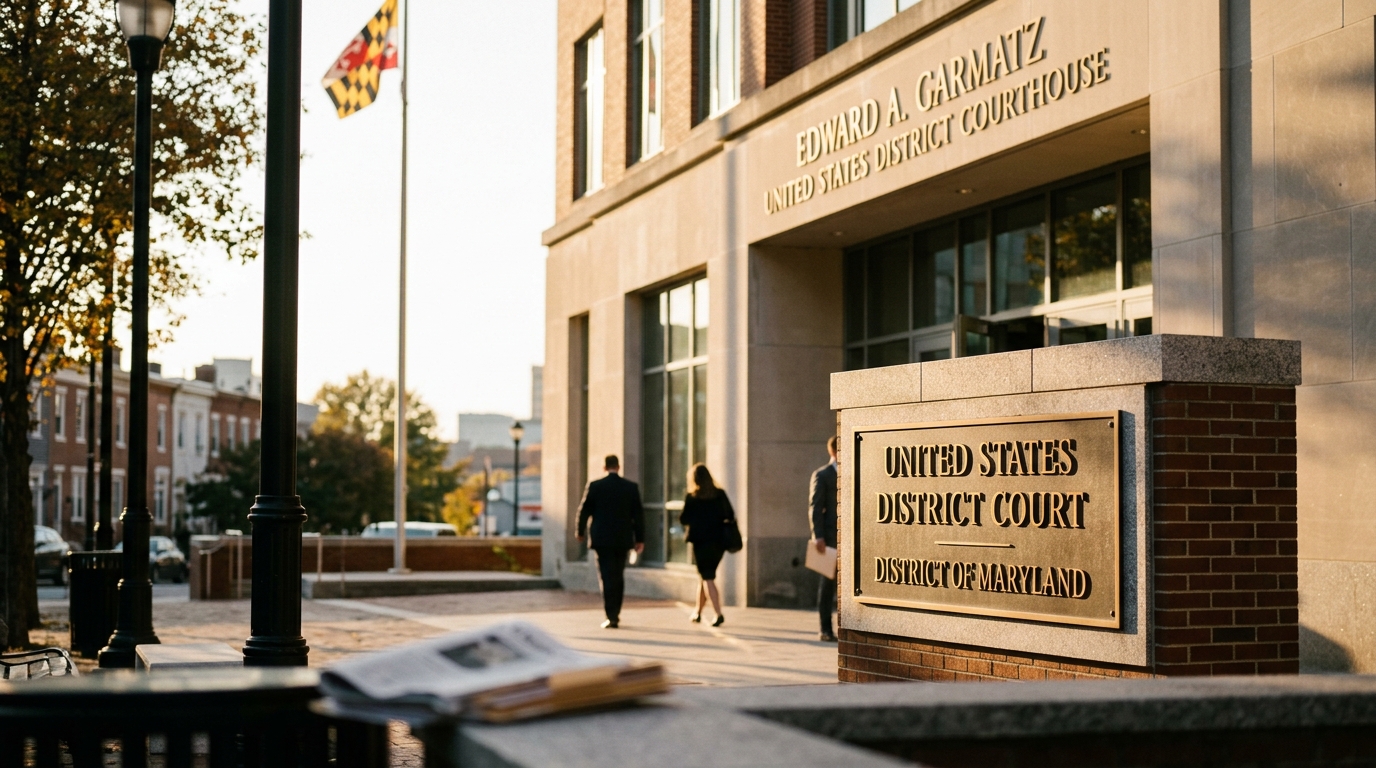
Federal Judge Rejects Maryland Attorney General's Bid for ICE Records on Baltimore Facility
A federal judge has rejected the Maryland Attorney General's bid to obtain records from an ICE detention facility in Baltimore, marking a setback for state-level transparency efforts into federal immigration operations within Maryland.
D.C. Council Member Trayon White Seeks Acquittal in Federal Bribery Case After Mistrial
A federal judge will decide whether to acquit D.C. Council member Trayon White in his bribery case after a mistrial, or allow prosecutors to pursue a retrial. The Ward 8 representative's legal team argues for dismissal, while prosecutors point to recorded evidence.