Red Fox Spotted on Capitol Hill, Highlighting D.C.'s Thriving Urban Wildlife
Share this article
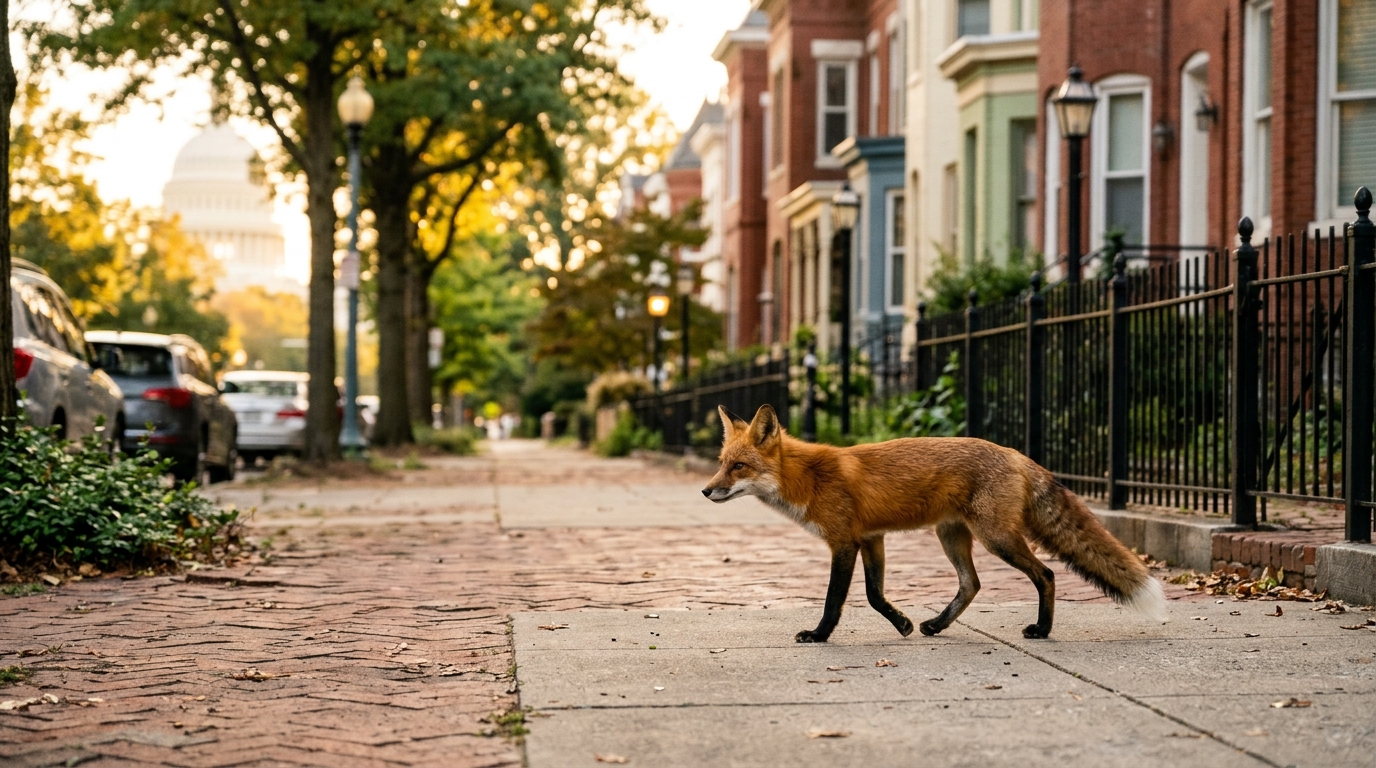
A Peek into D.C.'s Hidden Ecosystem
While a fox sighting might seem unusual to some, it's increasingly common across the DMV area, particularly in Washington, D.C. The city, known for its expansive parks, tree-lined streets, and numerous green spaces, provides an unexpected haven for a variety of wildlife. Red foxes, with their distinctive rust-colored coats and clever demeanor, are particularly adept at navigating the urban environment. They're not just confined to the sprawling natural beauty of Rock Creek Park; these opportunistic animals can be found in smaller neighborhood parks, along residential streets, and even in the meticulously manicured gardens of Capitol Hill. The presence of urban wildlife like this fox underscores the complex and often surprising ecosystem that exists just beyond our doorsteps. These animals are a vital part of the city’s biodiversity, playing roles in natural pest control by preying on rodents and other small creatures. Their ability to adapt to human-dominated environments, finding shelter in dense shrubbery or under porches, and foraging for food in alleys and discarded waste, speaks volumes about their resilience. For many D.C. residents, catching a glimpse of a fox, a hawk, or even a deer, offers a unique connection to nature that’s often missed in city living.Why Capitol Hill? Understanding Urban Fox Habitats
Capitol Hill, with its blend of historic architecture, pocket parks, and proximity to larger green arteries like the Anacostia River, offers an ideal, albeit unexpected, habitat for red foxes. These areas provide a mosaic of resources: dense vegetation for cover, quiet corners for denning, and a consistent food supply. While they're naturally shy, urban foxes often grow accustomed to human presence, learning to navigate the city's rhythms. They might be seen during twilight hours, just as the city begins to quiet down or stir awake, making their appearance all the more magical. Their diet is incredibly varied, allowing them to thrive in diverse settings. In a city like D.C., their menu can include small rodents, rabbits, birds, insects, and even fruits and berries found in urban gardens. Unfortunately, they can also be drawn to unsecured trash cans, pet food left outdoors, and other human-associated food sources. This adaptability, while beneficial for the foxes, sometimes leads to closer encounters with residents and pets, necessitating a careful approach to coexistence.Coexisting with Our Wild Neighbors: What Residents Can Do
For residents encountering urban wildlife like the Capitol Hill fox, the key is understanding how to coexist safely and responsibly. The District Department of Energy and Environment (DOEE) and local animal welfare organizations consistently advise against feeding wild animals. While it might seem like a kind gesture, feeding foxes can lead them to associate humans with food, making them lose their natural fear and potentially leading to aggressive behaviors or reliance on human handouts, which isn't good for their long-term survival. Securing trash cans with tight-fitting lids is another critical step. This prevents foxes and other critters from accessing discarded food, reducing their incentive to frequent residential areas. Pet owners should also be vigilant, especially during dawn and dusk when foxes are most active. Keeping cats indoors and supervising dogs when they're outside, particularly in yards adjacent to green spaces, can help prevent unintended encounters. For more detailed guidelines on living with urban wildlife, residents can consult resources from the D.C. Department of Energy and Environment.When to Call for Help: Understanding Local Animal Services
While most fox sightings are harmless and even enjoyable, there are instances when intervention might be necessary. If a fox appears visibly sick, injured, or is acting aggressively, it's important to contact local animal services. In Washington, D.C., the Humane Rescue Alliance (HRA), in partnership with D.C. Animal Care and Control, is the primary resource for urban wildlife concerns. They have trained professionals who can assess the situation and provide appropriate assistance, ensuring both animal welfare and public safety. It's crucial for residents to understand the difference between a naturally curious or habituated animal and one that poses a genuine threat. A fox simply trotting through a neighborhood, even in broad daylight, is generally not a cause for alarm. However, if a fox is observed approaching people without fear, displaying signs of illness such as disorientation or unusual gait, or behaving erratically, then it's time to reach out to experts. The HRA's wildlife team is equipped to handle these delicate situations, prioritizing humane solutions.The Broader Ecological Role of Foxes in the DMV
Beyond their charming appearances, red foxes play a significant ecological role in the urban environment. As mesopredators, they help control populations of rodents, rabbits, and other small animals, contributing to a more balanced ecosystem. In areas where larger predators like coyotes are less common, foxes fill a crucial niche, preventing overpopulation of prey species that could otherwise become nuisances or vectors for disease. This natural pest control is an invaluable service they provide to the city, often without residents even realizing it. Their presence also indicates a relatively healthy urban ecosystem, one that can support a diverse range of species. As D.C. continues to develop, maintaining and expanding green infrastructure – from large parks to small community gardens – becomes even more vital for supporting this urban biodiversity. Understanding and appreciating these wild inhabitants is a step towards fostering a more harmonious relationship between the city's human and animal residents. For those interested in learning more about urban wildlife management, resources like the University of Maryland Extension offer valuable insights.Community Vigilance and the Future of Urban Wildlife
The Capitol Hill fox sighting, like many others shared online and through community networks, highlights the growing awareness and appreciation for urban wildlife among D.C. residents. Platforms like Popville play an important role in documenting these encounters and fostering a sense of shared community experience around nature. These sightings encourage dialogue about how best to live alongside these animals, ensuring their safety and ours. As D.C. continues to evolve, the interactions between humans and wildlife will only become more frequent. From the foxes of Capitol Hill to the deer in Chevy Chase and the diverse birdlife along the Anacostia, the DMV area is a vibrant tapestry of urban nature. Residents should remain attentive to their surroundings, appreciating these moments of wild beauty, and staying informed about best practices for coexistence. What new wildlife surprises await us around the corner? Only time will tell, but one thing's for sure: D.C.'s wild side is always ready to make an appearance.📍 Local Resources
Provides animal control services, wildlife rescue, and humane education for Washington, D.C. Contact for injured or distressed wildlife.
Offers guidance and resources on urban wildlife management and coexistence strategies for D.C. residents.
While primarily serving Arlington, VA, AWLA offers extensive online resources and advice on coexisting with urban wildlife that can be helpful to DMV residents.
Explore more on this topic
Related Stories
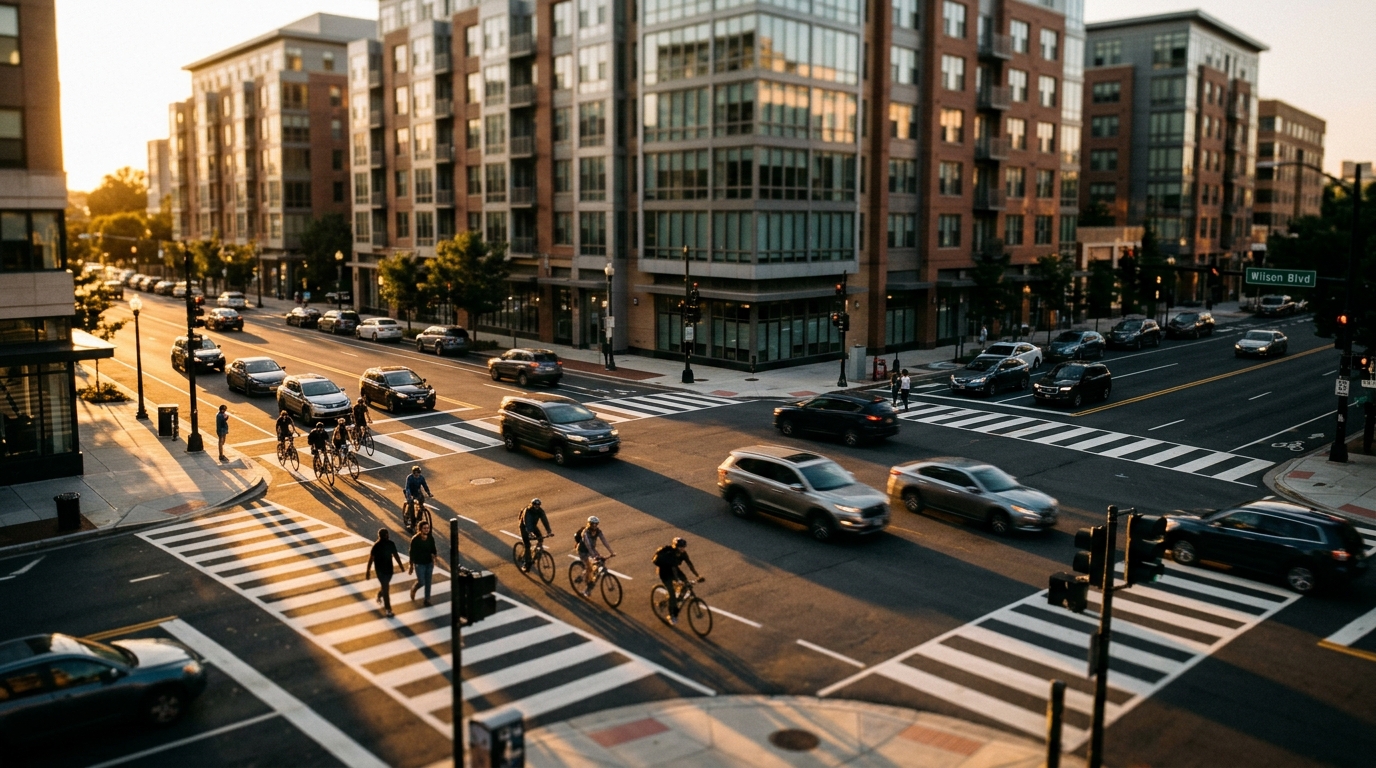
Arlington County Seeks Public Input on Five High-Crash Corridors Before Friday Deadline
Arlington County is urgently seeking public input on five high-crash road corridors, with a deadline this Friday. Residents are encouraged to share their experiences to help improve safety on these dangerous streets.

Andy's Pizza Set to Open at Union Station, Replacing Sbarro
Sbarro has closed its doors at Union Station, making way for the highly anticipated arrival of Andy's Pizza on the first floor of the bustling transportation hub. This shift introduces a fresh dining option for commuters, tourists, and Capitol Hill staffers.
Arlington Bishop Reacts as Voters Approve Ballot Questions 1 and 2 Despite "Catholics Vote No" Campaign
Bishop Michael F. Burbidge of the Diocese of Arlington has thanked the faithful for their participation in the "Catholics Vote No" campaign, even as voters approved ballot Questions 1 and 2 in the recent election. This outcome underscores the ongoing interplay between faith-based advocacy and civic decision-making in Northern Virginia.