Community
Arlington County
Arlington Bishop Reacts as Voters Approve Ballot Questions 1 and 2 Despite "Catholics Vote No" Campaign
Share this article
Advertisement
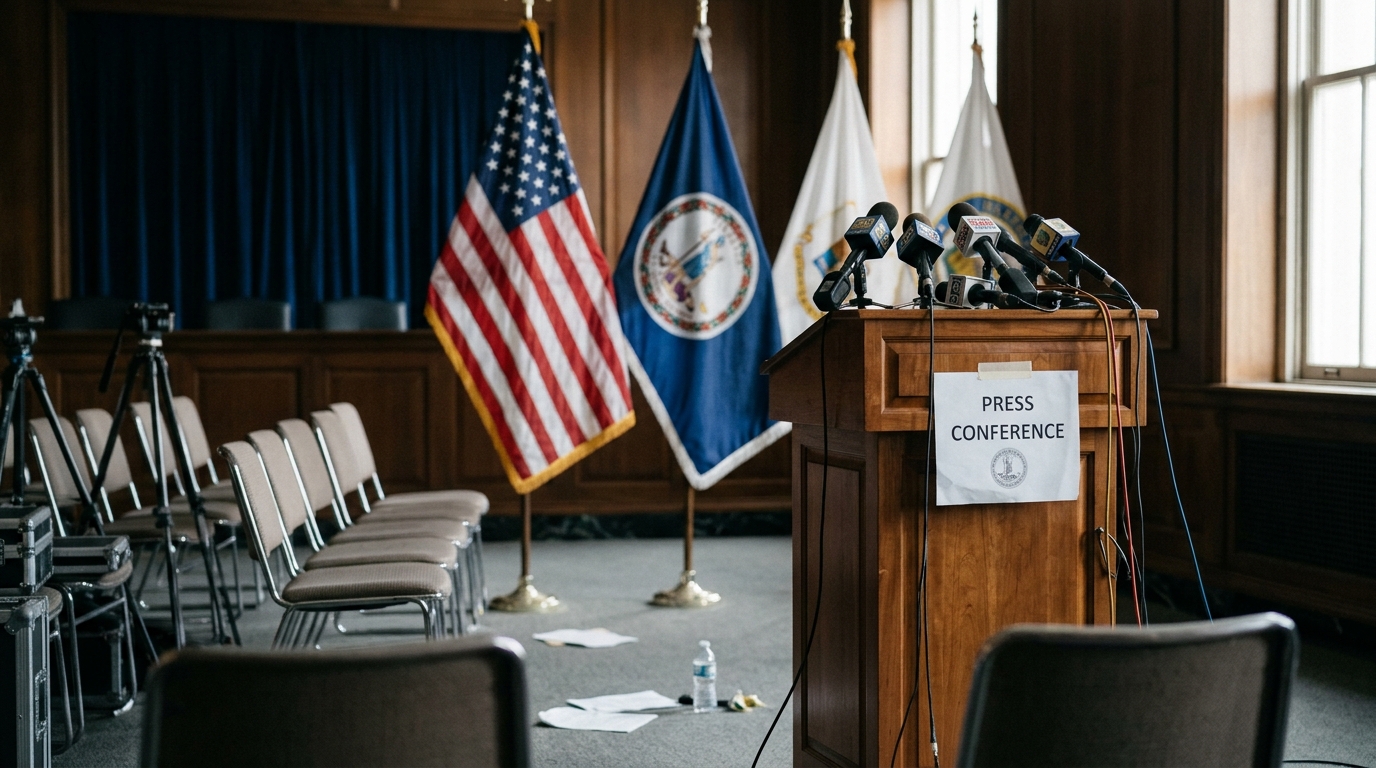
The polls have closed, the votes are tallied, and in Arlington, the ripple effects are already being felt, particularly within the local Catholic community. Bishop Michael F. Burbidge of the Diocese of Arlington has issued a statement acknowledging the outcome of the recent election, where voters approved both ballot Questions 1 and 2. This decision came despite a concerted effort by the diocese's "Catholics Vote No" campaign, urging parishioners to vote against the measures. For many in Arlington and across Northern Virginia, ballot initiatives often fly under the radar amidst high-profile federal and state races. But for the Diocese of Arlington, Questions 1 and 2 were significant enough to warrant a dedicated campaign, mobilizing its faithful to weigh in at the ballot box. Now, with the results in, the focus shifts to what these approved measures mean for the community and how the diocese will navigate the path forward.
The "Catholics Vote No" Campaign and Its Message
The "Catholics Vote No" campaign wasn't just a simple plea; it was an organized effort by the Diocese of Arlington to inform and persuade its members on issues deemed critical by church leadership. While the specifics of Questions 1 and 2 aren't detailed in the immediate aftermath, such campaigns typically address matters that touch upon moral, ethical, or social teachings central to the Catholic faith. These could range from issues concerning life and family to religious freedom or community welfare programs, often reflecting the social teachings of the Catholic Church. The campaign likely involved various outreach methods, from communications through parishes and schools to social media messaging and direct appeals to congregants. Such initiatives aim to ensure that Catholic voters are not only aware of the ballot items but also understand the church's perspective on them, encouraging them to vote in line with those values. This kind of civic engagement is a long-standing tradition for many faith-based organizations, seeing political participation as a crucial extension of their mission.Despite a dedicated campaign by the Diocese of Arlington, voters approved ballot Questions 1 and 2, signaling a complex interplay of faith and civic decision-making in the region.
Bishop Burbidge's Acknowledgment and Gratitude
Following the election results, Bishop Michael F. Burbidge expressed his gratitude to the faithful who participated in the "Catholics Vote No" campaign. His statement acknowledges the democratic process and the will of the voters, even when the outcome doesn't align with the diocese's advocated position. This measured response is common in such situations, recognizing the diverse views within a community while still affirming the importance of engagement. The Bishop's thanks underscored the value placed on active participation in civic life, regardless of the final tally. It sends a message to parishioners that their efforts to uphold their beliefs through voting are seen and appreciated. For many, this isn't just about winning or losing a particular ballot initiative, but about standing up for principles and contributing to the public discourse.Understanding the Impact on Arlington Residents
This election outcome, and the diocese's reaction, holds particular significance for Arlington residents. The Diocese of Arlington covers a broad geographic area, including Arlington, Fairfax, Loudoun, Prince William counties, and the cities of Alexandria, Fairfax, Falls Church, and Manassas in Northern Virginia. Its influence extends beyond its direct membership, often engaging in charitable work, education, and community advocacy that benefits all residents. The approval of Questions 1 and 2 means that the policies or constitutional changes they represent will now take effect in Virginia. For those who voted "no" in alignment with the diocese, this outcome might be disappointing, potentially leading to concerns about the future direction of certain local or state policies. Conversely, for voters who supported the measures, the approval marks a successful step towards their desired changes. Understanding the specific content of these questions will be key to grasping their full impact on daily life, from local ordinances to broader state-level implications that could affect everything from healthcare to zoning. Residents can typically find detailed information on approved ballot measures via the Virginia Department of Elections or their local county government websites, such as Arlington County's official portal.Faith-Based Advocacy in Local Politics
The "Catholics Vote No" campaign highlights the ongoing role of faith-based organizations in the political landscape of the DMV. These groups often serve as powerful advocates for their communities, leveraging their organizational structure and moral authority to influence public opinion and policy. While some argue for a strict separation of church and state, others see religious institutions as vital voices in democratic processes, bringing unique ethical considerations to public debate. In Virginia, like many states, ballot questions can be a direct way for citizens to enact changes to state law or even the state constitution. This direct democracy provides an avenue for organized groups, including religious ones, to directly appeal to voters. The outcome of Questions 1 and 2 serves as a reminder that even well-organized campaigns face the ultimate test of public opinion at the ballot box. As Arlington moves forward, residents — both Catholic and non-Catholic alike — will be watching to see how the newly approved measures are implemented and what further implications they might have. The diocese, for its part, will likely continue its engagement in public life, seeking new ways to advocate for its values and serve its community, adapting its strategies based on this election's outcomes.📍 Local Resources
Diocese of Arlington
Official website for the Catholic Diocese of Arlington, providing information on parishes, ministries, and community engagement.
📞 Phone: (703) 841-2500
🌐 Website: arlingtondiocese.org
📍 Location: 200 N. Glebe Road, Arlington, VA 22203
🕐 Hours: Mon-Fri 8:30am-4:30pm
Arlington County Government
Official source for local government services, news, and information about county policies and initiatives.
📞 Phone: (703) 228-3000
🌐 Website: arlingtonva.us
📍 Location: 2100 Clarendon Blvd, Arlington, VA 22201
Virginia Department of Elections
Provides official election results, voter registration information, and details on statewide ballot initiatives.
📞 Phone: (800) 552-9745
🌐 Website: elections.virginia.gov
Advertisement
Explore more on this topic
Related Stories
Community
Alexandria's 1925 Skyline: A Count of 2,016 Poles Marked a Connected City
Alexandria·Community
A local survey from November 5, 1925, revealed Alexandria had 2,016 telephone and telegraph poles, marking a significant era of connectivity and urban development in the city.
7 minutes ago4 min read
Community
Baltimore Mourns Jescina Artis, Counselor Who Turned Personal Struggle Into Lifesaving Work
Community
Baltimore addiction counselor Jescina Artis, who used her own struggles to help countless others find sobriety, has
about 1 hour ago4 min read
Community
New Documents Reveal Plummeting MetroAccess Customer Satisfaction Across the DMV
Howard County·Community
about 12 hours ago5 min read