Rabies Vaccine Baits Set for Harford County Wildlife in 2026 to Boost Community Health
Share this article
Understanding the Threat of Rabies in the DMV
Rabies is a viral disease that affects the central nervous system of mammals. Once symptoms appear, it's almost always fatal. While domestic animals like dogs and cats are routinely vaccinated, wild animals serve as a significant reservoir for the virus. In the DMV area, raccoons are often the primary carriers, but foxes, skunks, and bats also play a role in its spread. The disease can be transmitted through the bite or scratch of an infected animal, making encounters with rabid wildlife extremely dangerous. The Maryland Department of Health consistently monitors rabies activity throughout the state, and programs like this oral vaccine baiting are a cornerstone of their public health strategy. Keeping rabies at bay in wildlife populations is a critical step in preventing human exposure and protecting household pets who might interact with infected wild animals.How Oral Rabies Vaccine Programs Work
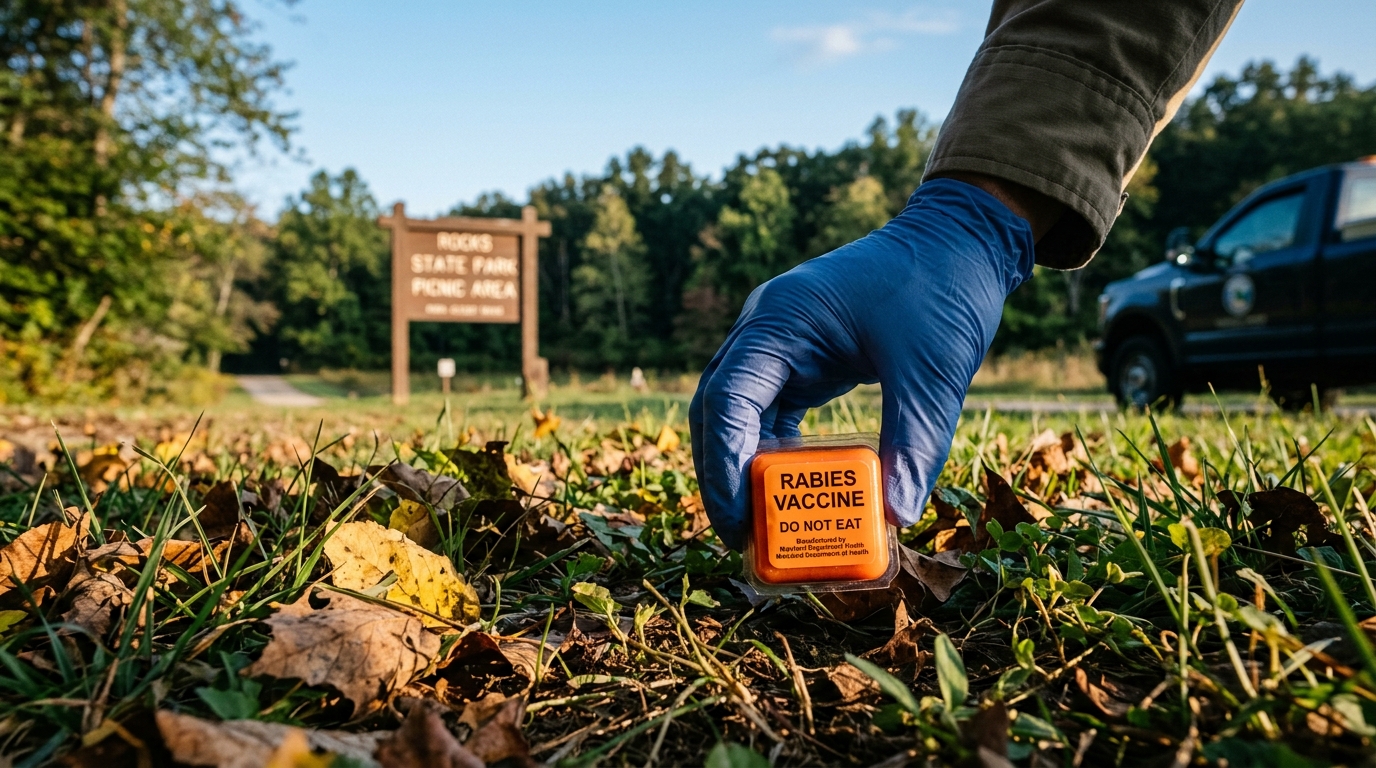
The concept behind oral rabies vaccine (ORV) programs is ingeniously simple yet highly effective. Small packets of vaccine are encased in baits designed to be attractive to wild animals. These baits are typically made from fishmeal or another palatable substance, making them appealing to raccoons, foxes, and other target species. When an animal consumes the bait, it ingests the vaccine, which then triggers an immune response, protecting the animal from rabies. These programs aren't new to the region; they've been employed successfully in various parts of the United States and Canada for decades. The targeted distribution ensures the baits reach the animals most likely to carry and transmit the virus. This approach is far more practical and humane than attempting to trap and individually vaccinate vast numbers of wild animals. By immunizing a significant portion of the wild population, public health officials aim to establish what's known as "herd immunity" within these animal communities, effectively breaking the chain of transmission.What This Means for Harford County Residents
For Harford County residents, the upcoming vaccine bait distribution in September 2026 represents a significant step towards a safer community. While the baits are designed for wildlife, they are generally considered safe for pets if accidentally consumed. However, residents are always advised to avoid handling the baits if they encounter them and to ensure their own pets are up-to-date on their rabies vaccinations. This initiative underscores the ongoing commitment to public health and animal welfare in Maryland. It's a reminder that our health is often intertwined with the health of the natural world around us. Keeping wild animals healthy from rabies indirectly protects our families and our beloved pets. The distribution effort will likely involve teams strategically placing these baits in wooded areas, rural properties, and suburban green spaces where wild animals are known to roam. Public awareness campaigns typically accompany such programs, informing residents about the initiative, what the baits look like, and what to do if they find one. Details on specific distribution zones and public information sessions are expected to be released closer to the September 2026 date.Staying Informed and Safe
While these vaccine efforts are highly effective, residents should always remain vigilant. It's crucial to avoid contact with wild animals, especially those acting unusually or appearing sick. If you see a wild animal behaving strangely, contact your local animal control immediately. Additionally, ensuring all your cats and dogs are current on their rabies vaccinations is the best defense for your household pets. The Maryland Department of Health provides comprehensive information on rabies prevention and what steps to take in case of an animal bite. The upcoming vaccine baiting program in Harford County is a testament to ongoing efforts to protect the community from preventable diseases. By working to immunize wild animal populations, local health officials are taking a proactive stance against rabies, making Harford County a safer place for all its inhabitants, both human and animal. Keep an eye out for further announcements from county health and animal control officials as September 2026 approaches for more specific instructions and information.📍 Local Resources
Information on rabies prevention, animal bite protocols, and public health guidance.
For reporting strange-acting or potentially rabid animals, and general animal welfare concerns.
For general information on wildlife and reporting injured or nuisance wildlife.
Explore more on this topic
Related Stories
Virginia Parking Lot Transforms for Police Motorcycle Rodeo Showcase
Police officers recently showcased and honed their advanced motorcycle skills in a precise rodeo event held in a Virginia parking lot. Using Harley-Davidson and BMW motorcycles, officers navigated orange cone-lined courses designed to mimic challenging real-world scenarios, reinforcing critical skills for public safety across the DMV.

Fairfax County Parent Raises Alarm Over Teacher's Status Weeks Into School Year
A Fairfax County parent has expressed alarm over her son's teacher not being a full-time employee, raising questions about potential hiring freezes or enrollment issues within Fairfax County Public Schools weeks into the academic year.

Northern Virginia Kids' Club Spreads Kindness with "Blessing for the Animals" in Fairfax
A Northern Virginia kids' club, The Pawtectors, is celebrating World Animal Day by delivering "blessings" to shelter animals, including