Ozone Smog Persists at Unhealthy Levels Across DC Region, American Lung Association Reports
Share this article
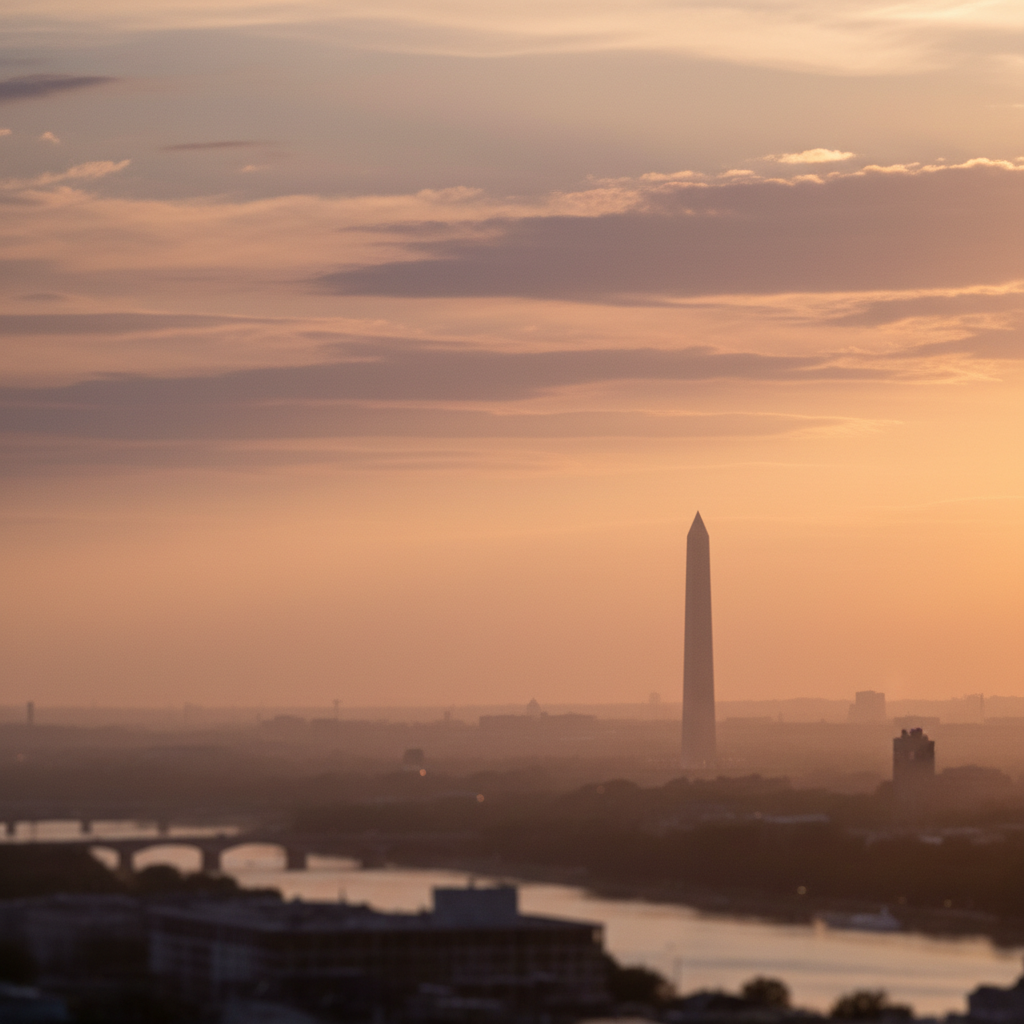
A perennial concern for residents seeking the warmth of summer, the air quality across the Washington, D.C. metropolitan area continues to grapple with persistent ozone smog, despite some overall improvements in atmospheric conditions. The American Lung Association (ALA) recently highlighted that while strides have been made in certain aspects of air quality, the region still experiences unhealthy levels of ground-level ozone, posing significant health risks to the community.
The gentle haze that sometimes softens the edges of the cityscape, from the monuments of downtown D.C. to the suburban expanses of Northern Virginia and Maryland, often belies a more insidious presence in the air we breathe. This ground-level ozone, distinct from the protective stratospheric ozone layer, forms when pollutants from vehicles, industrial emissions, and chemical solvents react in the presence of sunlight and heat. The DMV's unique blend of urban density, heavy traffic, and summer's intense sun creates an unfortunate incubator for this atmospheric irritant.
The Persistent Haze Over Our Communities
For years, the American Lung Association has been a vigilant observer of the nation's air quality, issuing annual "State of the Air" reports that provide a crucial snapshot of our breathable environment. Their latest findings underscore a challenging reality for the DC region: even as some pollutants show signs of decline, ozone pollution remains a stubborn foe. This invisible threat is particularly prevalent during the warmer months, when sunny, still days create ideal conditions for its formation and accumulation. The region's geography, nestled within a bowl-like topography, can also trap pollutants, exacerbating the issue.
The implications of prolonged exposure to unhealthy ozone levels are far-reaching, affecting daily life from the bustling streets of Capitol Hill to the quiet parks of Montgomery County. Ground-level ozone can irritate the respiratory system, causing coughing, throat irritation, and chest tightness. For individuals with existing respiratory conditions, such as asthma or chronic bronchitis, the effects can be far more severe, leading to emergency room visits and hospitalizations. Children, the elderly, and outdoor workers are particularly vulnerable, experiencing heightened sensitivity to the pollutant.
Understanding Ozone's Reach and Local Efforts
The fight against ozone pollution is a complex one, requiring coordinated efforts across state lines and federal agencies. While the region has seen improvements in particulate matter pollution over recent decades, the nature of ozone formation means it can drift across vast areas, making local control efforts challenging. The U.S. Environmental Protection Agency (EPA) sets national air quality standards for ozone, and local jurisdictions like the District Department of Energy & Environment (DOEE) and the Maryland Department of the Environment (MDE) actively monitor air quality and issue alerts when levels are predicted to be unhealthy.
Residents are encouraged to stay informed about daily air quality forecasts, often reported as the Air Quality Index (AQI). On "Code Orange" or "Code Red" days, when ozone levels are elevated, health officials recommend limiting strenuous outdoor activities, especially during the afternoon and early evening hours when ozone concentrations are typically at their peak. Choosing to walk or bike during cooler parts of the day or opting for public transportation can not only reduce individual exposure but also contribute to fewer emissions that form ozone.
Navigating Smoggy Days in the DMV
The call from the American Lung Association serves as a crucial reminder that environmental vigilance remains paramount for the health and well-being of the DMV's diverse population. As summer progresses and temperatures climb, the regional air will continue to be a delicate balance of natural beauty and atmospheric challenge. Staying informed and making conscious choices about outdoor activities and transportation can help mitigate personal risk and contribute to the broader effort for cleaner air in our shared environment. The ongoing dialogue around air quality underscores the interwoven nature of climate, health, and community in the nation's capital region.
📍 Local Resources
Provides real-time Air Quality Index (AQI) data for the entire DMV region, including forecasts and health recommendations.
Offers resources and information on lung health, air quality advocacy, and support for individuals with respiratory conditions.
Monitors air quality in Washington, D.C., provides local data, and implements air pollution control programs.
Provides air quality forecasts and information for Virginia, including the Northern Virginia region.
Explore more on this topic
Related Stories
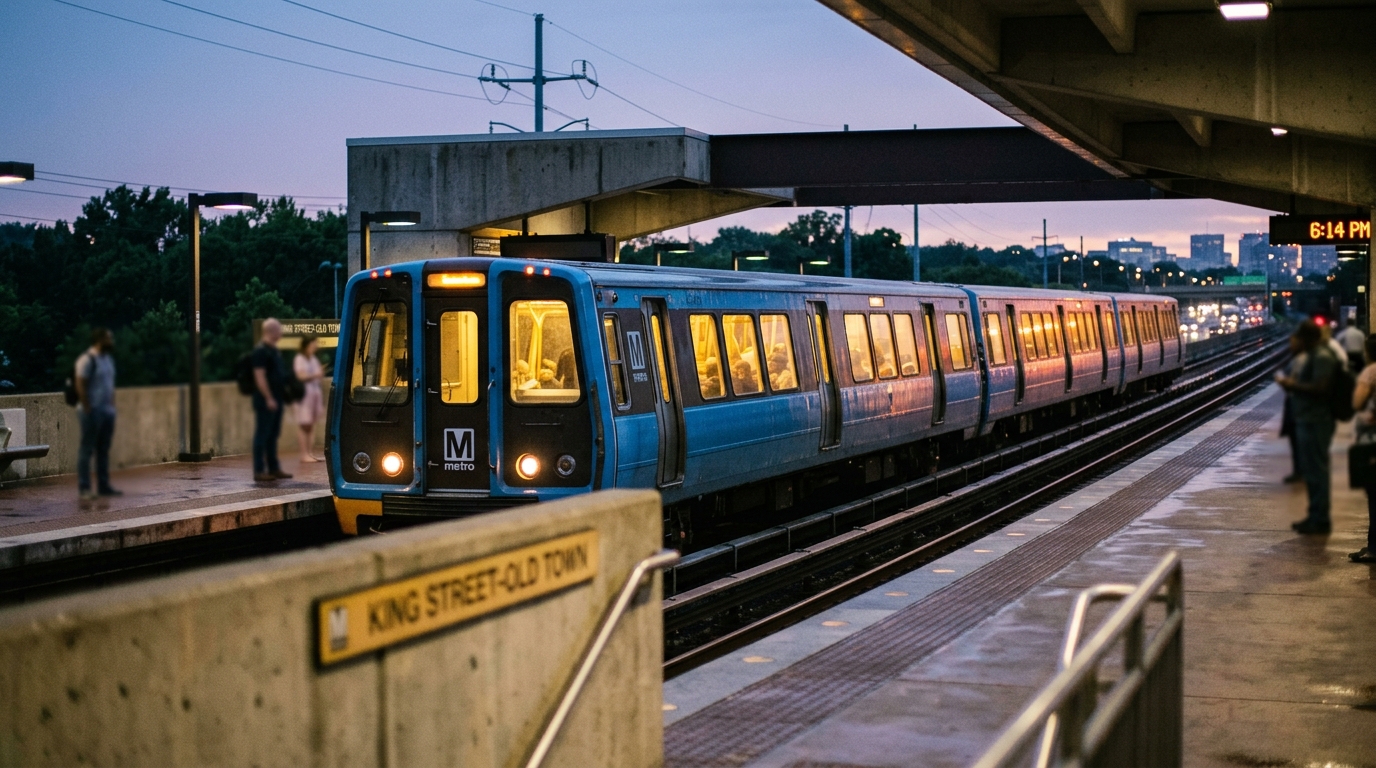
Multiday Amtrak and VRE Service Pause Between DC and Virginia Set for Friday
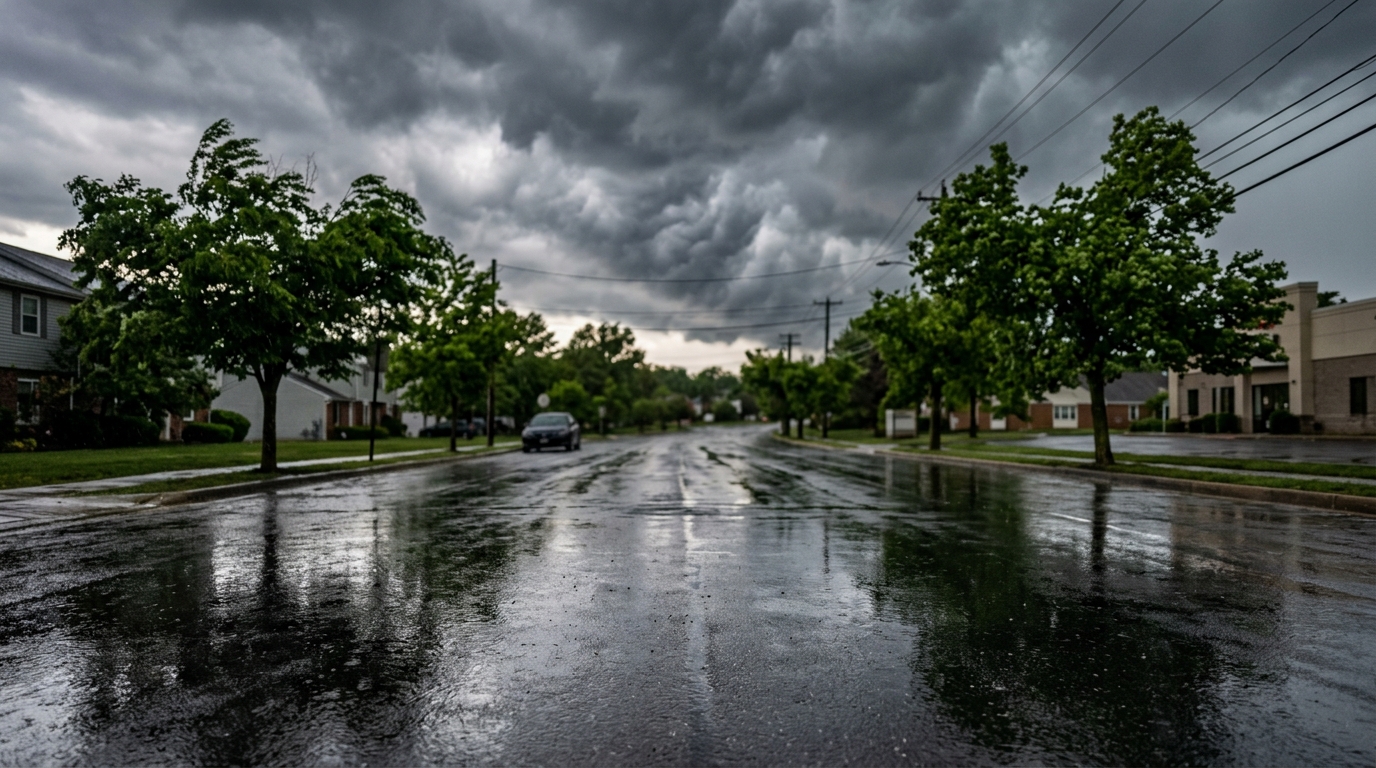
Maryland Braces for Wild Weather Swings: From 85 Degrees to Tornado Threats and a Cold Snap
Maryland is gearing up for a weather rollercoaster this weekend, with temperatures potentially hitting 85 degrees before threats of damaging winds, possible tornadoes, and a sharp cold front sweep through the region. DMV residents in Maryland should prepare for rapid shifts and severe weather.
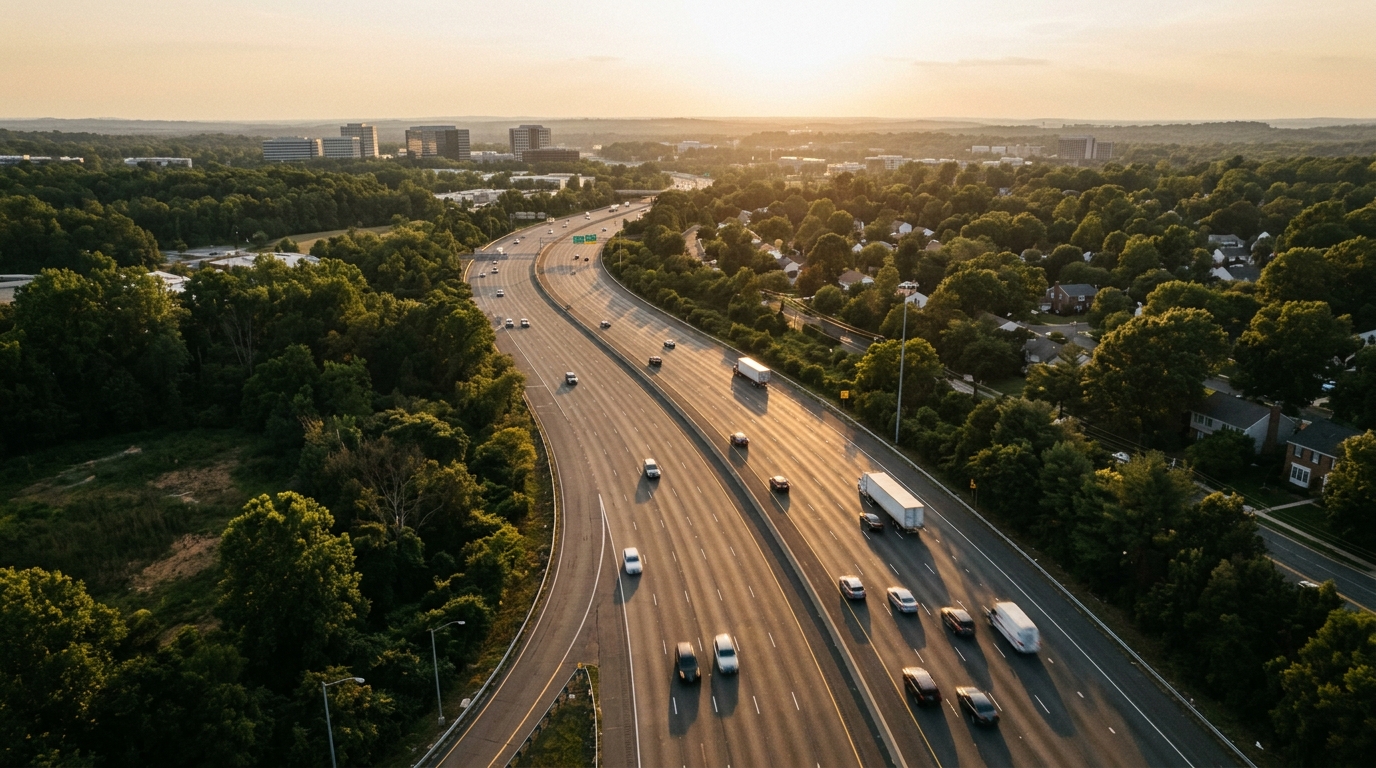
Fairfax County to Cut Speed Limits to 20 MPH on Ten Local Roads
Fairfax County is set to lower speed limits to 20 miles per hour on ten local roads, a move designed to boost safety for pedestrians and residents in neighborhood areas. This initiative reflects the county's commitment to traffic calming and reducing accident severity.