Minor Charged in Unlawful Filming Investigation at Freedom High School, Raising Privacy Concerns in Loudoun County
Share this article
Understanding Unlawful Filming Under Virginia Law
In Virginia, laws against unlawful filming are designed to protect individuals' privacy, particularly in places where there is a reasonable expectation of privacy. While the exact circumstances of the Freedom High School case have not been publicly detailed, charges related to unlawful filming typically fall under statutes that prohibit recording or photographing individuals without their consent in private settings. Virginia Code § 18.2-386.1, for instance, addresses "unlawful filming, videotaping, or photographing of another." This statute generally targets situations where someone is filmed or photographed nude or partially nude, or engaged in sexual acts, without their consent, in a place where they have a reasonable expectation of privacy, such as a restroom, locker room, or private residence. Violations can range from misdemeanors to felonies, depending on the specifics of the act, the intent, and whether the images were distributed. The legal framework aims to deter actions that exploit or invade personal privacy, recognizing the profound harm such violations can inflict. For minors, the application of these laws also takes into account the juvenile justice system's focus on rehabilitation and age-appropriate consequences.The Impact on School Environments and Student Trust
A school should be a sanctuary, a place where students feel safe, respected, and free to learn. An incident involving unlawful filming can deeply erode that sense of security. For students at Freedom High School, this news might prompt anxieties about their own privacy, especially in common areas or during extracurricular activities. It can foster an environment of distrust, making students wary of their peers and even their surroundings. School administrators in Loudoun County are often tasked with balancing students' rights to privacy with the need to maintain a safe and orderly learning environment. This includes educating students about appropriate digital conduct, the consequences of misusing technology, and the importance of respecting others' boundaries. When such an incident occurs, it often triggers a review of existing policies and procedures, ensuring they are robust enough to address evolving digital threats. The Loudoun County Public Schools (LCPS) Student Conduct Policy outlines expectations for student behavior, including those related to technology use and privacy, and these policies become critically important in guiding the school's response.Navigating the Juvenile Justice System
When a minor is charged with an offense like unlawful filming, the case enters the juvenile justice system, which operates differently from adult courts. The primary goals of the juvenile system often include rehabilitation, protection of the minor's privacy, and ensuring that interventions are in the best interest of the child and the community. In Virginia, juvenile cases are typically heard in the Juvenile and Domestic Relations District Court. While the specifics of the charges are not publicly disclosed due to the minor's age, potential outcomes could range from probation and counseling to more severe dispositions, depending on the gravity of the offense and the minor's prior record. The focus is often on understanding the root causes of the behavior and implementing measures that can guide the minor toward more responsible conduct, rather than solely punitive action. Parents and guardians also play a significant role in this process, often required to participate in court proceedings and support any mandated interventions. More information on juvenile justice in the Commonwealth can be found via the Virginia Judicial System website.The Digital Age and Student Privacy
The incident at Freedom High School serves as a stark reminder of how rapidly technology is changing the landscape of privacy, especially for young people. Smartphones with high-quality cameras are ubiquitous, making it easier than ever to capture images and videos, often without a second thought about consent or consequences. This creates a challenging environment for schools, which must navigate these technological advancements while upholding privacy rights and maintaining a safe learning space. Educating students about digital citizenship – including the legal and ethical implications of online behavior, consent, and the permanence of digital content – is more critical than ever. Schools are increasingly incorporating lessons on cyberbullying, online safety, and responsible use of social media into their curricula. Parents also have a vital role in these conversations, helping their children understand the boundaries of privacy, both their own and others', and the potential long-term repercussions of their digital actions. Organizations like the National Center for Missing and Exploited Children (NCMEC) offer resources for parents and educators on internet safety.Community Concerns and Proactive Measures
For residents of South Riding and the broader Loudoun County area, this incident naturally raises questions about school safety protocols and how the school district plans to address such issues moving forward. Parents might wonder what steps are being taken to prevent similar occurrences and how the school communicates with families about sensitive matters. Transparency, clear communication, and proactive educational initiatives are key to rebuilding and maintaining trust within the school community. This includes reinforcing student codes of conduct, providing avenues for students to report concerns anonymously, and offering support services for anyone affected by such incidents. It also means fostering a culture where students understand the importance of respecting each other's privacy and the severe consequences of violating it. The Loudoun County Public Schools website is a primary resource for official communications and policy updates. The charge against a minor at Freedom High School is a serious matter that impacts not only those directly involved but also the wider school community. It compels a renewed focus on digital ethics, student privacy, and the ongoing efforts to ensure that schools remain safe and nurturing environments for all students. As the legal process unfolds, the community will undoubtedly be watching for further details and for the steps taken by school officials and law enforcement to address these critical issues.📍 Local Resources
Provides mental health and support services for students and families in LCPS, including guidance on school safety and student well-being.
Offers crisis intervention, advocacy, and support for victims of sexual assault and domestic violence, which can include privacy violations.
Provides legal assistance and advocacy for low-income youth in Virginia, including those involved in the juvenile justice system.
Explore more on this topic
Related Stories

Lights, Camera, Dupont Circle: Filming Spotted on Swann Street, Speculation Mounts
Film crews have been spotted bustling on Swann Street, NW in Dupont Circle, sparking local curiosity and speculation about a potential Spiro Agnew biopic possibly directed by Ben Stiller.

Wendy Osefo's On-Camera Fraud Case Discussion While Filming 'Real Housewives of Potomac' in Baltimore
Wendy Osefo of "The Real Housewives of Potomac" reportedly discussed a personal fraud case during filming in Baltimore, bringing a sensitive legal matter to the forefront of the popular Bravo series.
A Glimpse Back: Clint Eastwood Film Unearths 1993 Adams Morgan on 18th Street NW
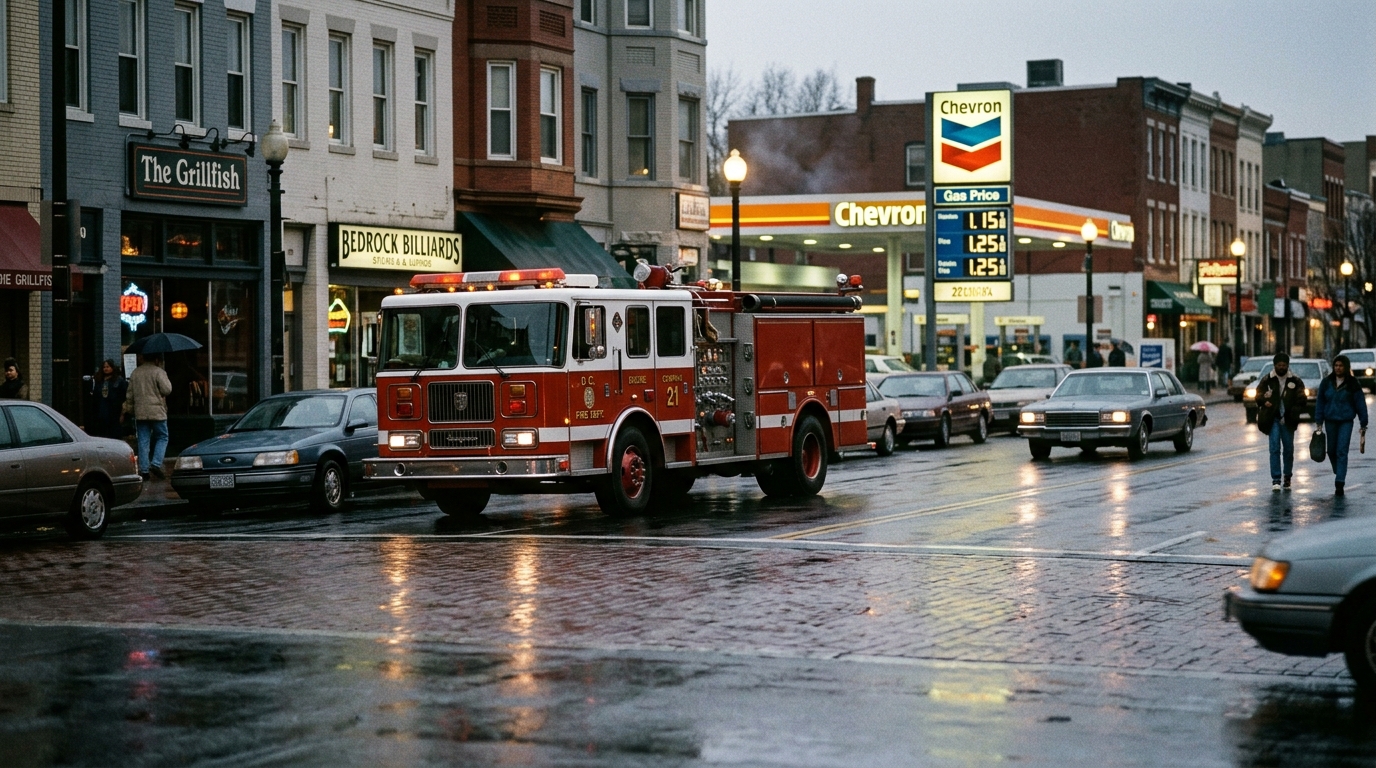
A film still from Clint Eastwood's 1993 thriller "In the Line of Fire" offers a rare look at Adams Morgan's 18th Street NW, revealing a forgotten Chevron gas station and sparking nostalgia for a rapidly changing neighborhood.