Movies
A Glimpse Back: Clint Eastwood Film Unearths 1993 Adams Morgan on 18th Street NW
Share this article
Advertisement
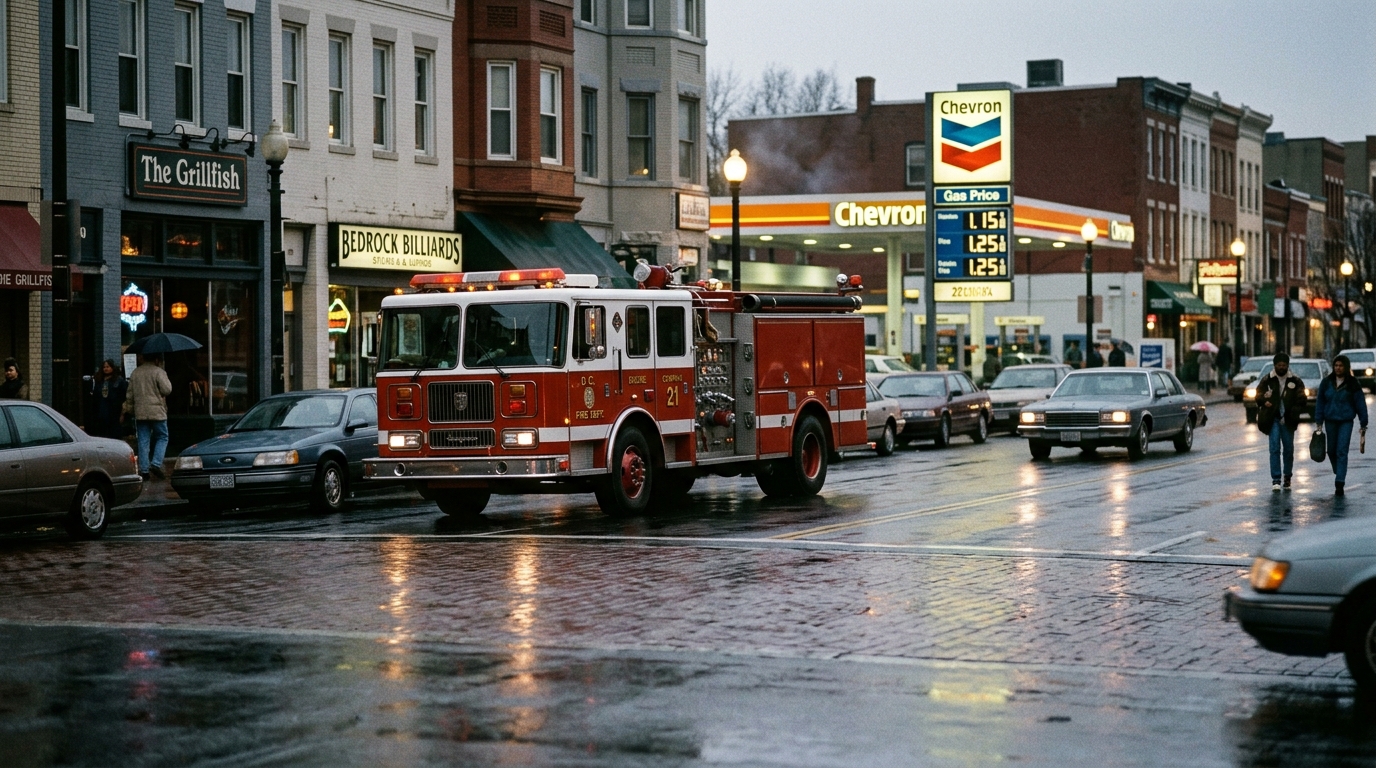
The vibrant, ever-evolving streetscape of Adams Morgan is a familiar sight to most Washingtonians, but a recent dive into cinematic history has offered a fascinating window into its past. An unearthed film still from the 1993 Clint Eastwood thriller, "In the Line of Fire," captures a moment in time on 18th Street NW, revealing a neighborhood both recognizable and remarkably different from its present-day iteration. It's a powerful reminder of how quickly the District changes, yet how certain elements remain etched in its character. The image, shared by Popville, presents a bustling street scene, instantly transportive for anyone familiar with Adams Morgan. While the specific angle and exact block aren't explicitly detailed in the original post, the presence of a Chevron gas station prominently in the background helps place the setting and sparks a wave of nostalgia for long-time residents. This visual artifact isn't just a movie still; it's a piece of local history, offering a concrete look at the neighborhood before the turn of the millennium.
Adams Morgan: Then and Now on 18th Street NW
Looking at Adams Morgan today, particularly along the bustling corridor of 18th Street NW, it’s hard to imagine a gas station as a prominent fixture. The area is now synonymous with eclectic restaurants, lively bars, and boutique shops, drawing crowds for its nightlife and diverse culinary scene. But in 1993, as captured in the film, the landscape was subtly distinct. The Chevron station, for instance, represents a more utilitarian past, a time when such services were integrated more directly into urban neighborhoods before the push for denser, pedestrian-focused commercial development. The early 90s saw Adams Morgan in a transitional phase. It was already known for its diverse community and bohemian spirit, a hub for artists, musicians, and international residents. However, many of the establishments that define its modern identity had yet to arrive. Rent was generally more affordable, allowing for a wider array of independent businesses and a less polished, more gritty charm. While still a destination, its profile was different, less geared towards the high-volume weekend crowds it attracts today. The film still serves as a visual anchor to this particular era, showcasing the architectural styles and street-level businesses that characterized the time.The 1993 film still from "In the Line of Fire" offers a rare look at Adams Morgan, highlighting a bygone Chevron gas station on 18th Street NW.
The enduring appeal of these historical snapshots lies in their ability to evoke personal memories and spark conversations about urban evolution. For those who lived or frequented Adams Morgan in the early 90s, this image might conjure specific memories of local haunts, daily commutes, or the general ambiance of the neighborhood. It highlights the dynamic nature of city life, where storefronts and landmarks change, reflecting broader economic, social, and cultural shifts. Hollywood's Lens on Washington, D.C.
"In the Line of Fire" itself is a classic political thriller, starring Clint Eastwood as Secret Service agent Frank Horrigan, haunted by his failure to protect John F. Kennedy. The film, which also features John Malkovich as a chilling antagonist, extensively uses Washington, D.C., as its backdrop, lending an air of authenticity to its high-stakes narrative. While many Hollywood productions set in the nation's capital often rely on stock footage or sound stages, "In the Line of Fire" made a notable effort to film on location, capturing genuine street scenes like this one in Adams Morgan. Washington, D.C., has always held a unique allure for filmmakers, often serving as a symbol of power, intrigue, and American democracy. From political dramas to spy thrillers, the city's iconic monuments and federal buildings frequently grace the silver screen. However, it's less common for films to delve into the everyday street life of its diverse neighborhoods. This Adams Morgan still is particularly valuable because it offers a glimpse beyond the monumental core, into the fabric of a residential and commercial area that defines much of the city's character. The decision to film in Adams Morgan for a scene suggests an attempt by the filmmakers to portray a more grounded, lived-in version of the capital, beyond the marble facades. For more on D.C.'s cinematic history, the DC Film Office provides resources on productions filmed in the area.The Evolution of a Neighborhood and the Power of Memory
The transformation of Adams Morgan from 1993 to today reflects broader trends in urban development across the DMV. Areas once characterized by local services and independent businesses have often given way to larger commercial enterprises, upscale dining, and residential developments. This evolution is driven by changing demographics, economic investment, and shifting preferences for urban living. The closure of local gas stations, for example, is a common narrative in many gentrifying neighborhoods, replaced by retail or housing that maximizes property value. For residents, these changes can be a mixed bag. While new development often brings amenities, jobs, and increased vibrancy, it can also lead to higher costs of living, displacement of long-standing businesses, and a perceived loss of neighborhood character. The digital sharing of historical images, like this film still, becomes a vital way for communities to collectively remember and reflect on their past. Platforms like Popville, which regularly feature "doses of DC history," play a crucial role in curating this collective memory and fostering a sense of continuity amidst rapid change. The DC History Center offers extensive archives for those interested in exploring the city's past further. The conversation surrounding such images often highlights the unique architectural heritage of neighborhoods like Adams Morgan. Many of its buildings date back to the early 20th century, with distinct rowhouses and commercial structures that have been adapted over time. While the businesses within them change, the bones of the neighborhood often remain, providing a canvas for its ongoing evolution. Understanding this historical context helps residents appreciate the layers of change that have shaped their environment.What This Means for Adams Morgan Residents
This cinematic snapshot serves as a poignant reminder of Adams Morgan's journey. For current residents, it’s a chance to connect with the neighborhood's deeper history, understanding the layers of development that have shaped its current character. For those who remember Adams Morgan in the 90s, it’s a moment of shared nostalgia, prompting recollections of a different era. As Adams Morgan continues to grow and adapt, these historical touchstones become increasingly important. They encourage us to consider not just where we are, but how we got here, and what elements of our past we wish to preserve. Keep an eye on local community pages and historical societies; they’re often the best places to discover these unexpected glimpses into the District's rich and ever-changing story. The future of Adams Morgan will undoubtedly continue its dynamic evolution, but its past, thanks to moments like these, will never be entirely forgotten.Advertisement
Explore more on this topic
Related Stories
Movies
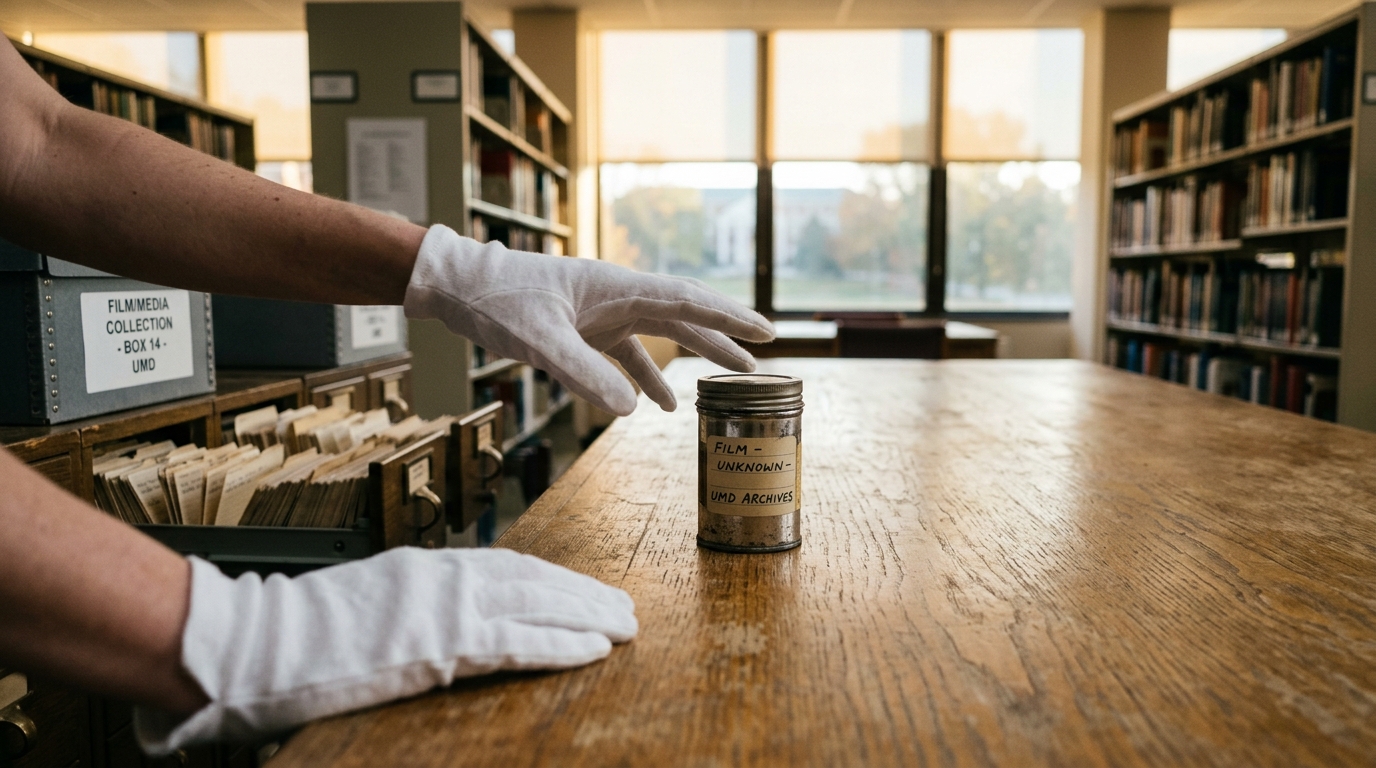
Long-Lost Film Discovery at University of Maryland Library Ignites Local Excitement
Movies
7 days ago4 min read
Movies
Arlington's 2700 Art Space to Host Free Outdoor Movie Nights for Hispanic Heritage Month
Arlington County·Movies
Arlington Arts is set to host a series of free outdoor movie nights at the 2700 Art Space this fall, celebrating National Hispanic Heritage Month with films that highlight diverse cultures and storytelling.
14 days ago4 min read
Movies
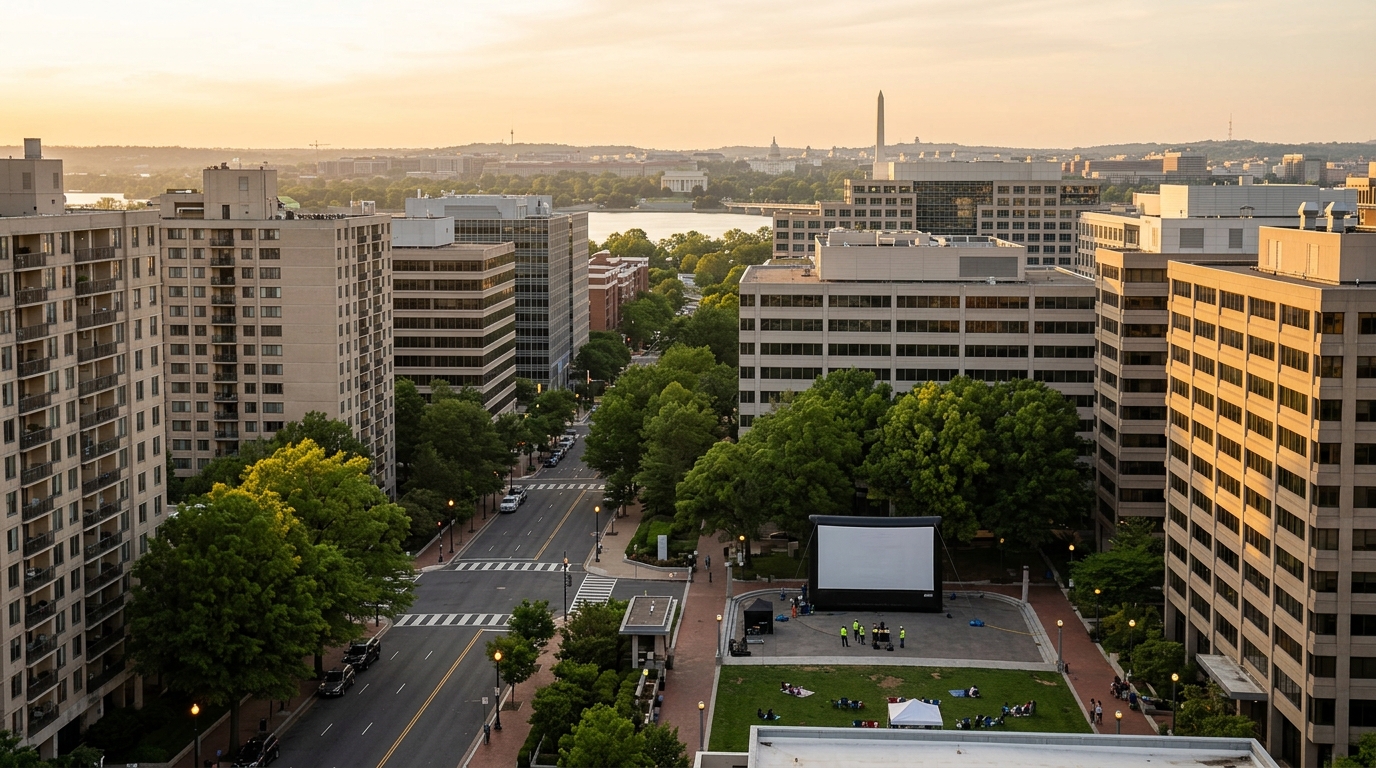
Crystal City to Host Outdoor Screening of Beloved Classic "The Princess Bride"
Arlington County·Movies
Crystal City is set to host an outdoor screening of the beloved fantasy-comedy "The Princess Bride," offering Arlington residents a free, family-friendly evening under the stars. This event underscores Crystal City's commitment to vibrant community programming and leveraging its urban spaces for engaging public experiences.
3 months ago5 min read