Metro Board Greenlights Red Line Automation, Platform Screen Doors
Share this article
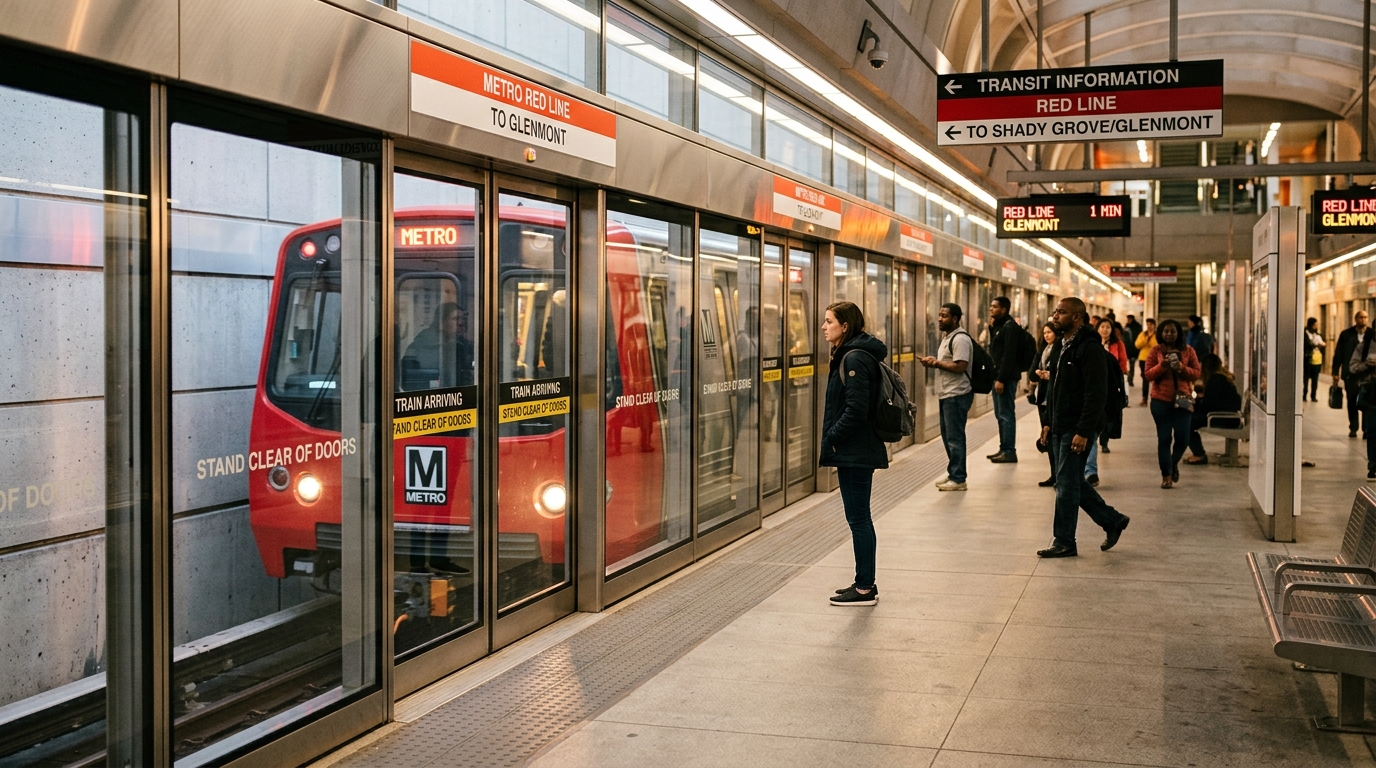
Boosting Safety with Platform Screen Doors
One of the most visible changes coming to the Red Line will be the implementation of platform screen doors. These barriers, common in many modern subway systems worldwide, are designed to separate passengers from the tracks, opening only when a train is properly docked at the station. This simple yet effective addition significantly reduces the risk of accidental falls onto the tracks, preventing suicides, and deterring unauthorized access to the railbed. It's a crucial upgrade that addresses long-standing safety concerns for riders on crowded platforms. Think about the busiest Red Line stations like Metro Center, Farragut North, or Gallery Place during rush hour. The added layer of protection provided by these doors will offer a greater sense of security for everyone waiting for a train. This initiative aligns with WMATA's ongoing commitment to making the system safer and more reliable for the thousands of DMV residents who use it every day. You can find more details on WMATA's safety initiatives on their official website.The Future of Red Line Operations: Automation
Beyond physical barriers, the Metro board's approval also paves the way for automating the Red Line. Full automation means that trains will operate with advanced technology guiding their movement, potentially leading to more consistent service, reduced human error, and improved operational efficiency. While human operators will still be present, the system will handle much of the day-to-day driving, allowing for more precise train spacing and smoother acceleration and braking. This isn't just about speed; it's about reliability. A more automated system can react quicker to changes in traffic patterns, maintain tighter schedules, and potentially recover faster from minor disruptions. For Red Line riders, this could mean fewer unexpected delays and a more predictable commute. Modern transit systems globally, like those in London and Paris, have successfully integrated automation to boost service quality. The move could also free up human operators to focus more on customer service and emergency response, further enhancing the rider experience. Learn more about automated transit systems from the American Public Transportation Association.What This Means for DMV Commuters
The Red Line is a critical artery for the DMV region, connecting residential areas in Maryland with major employment hubs in D.C. and Virginia. These planned upgrades represent a significant investment in the future of our public transportation infrastructure. While the implementation of such large-scale projects will undoubtedly take time, and commuters should anticipate periods of construction and potential service adjustments, the long-term benefits are clear: a safer, more efficient, and more reliable transit experience. This decision by the WMATA Board of Directors underscores a commitment to modernizing the Metro system to meet the demands of a growing region. Residents should stay tuned to WMATA's official channels for updates on timelines and specific impacts on their commutes. For general information on D.C.'s transportation plans, visit DDOT's official site.📍 Local Resources
For general inquiries, service alerts, and feedback regarding Metro bus and rail services.
Real-time information on Metro rail and bus service disruptions, delays, and planned work.
Information on local transportation initiatives, road closures, and alternative commuting options within Washington, D.C.
Explore more on this topic
Related Stories
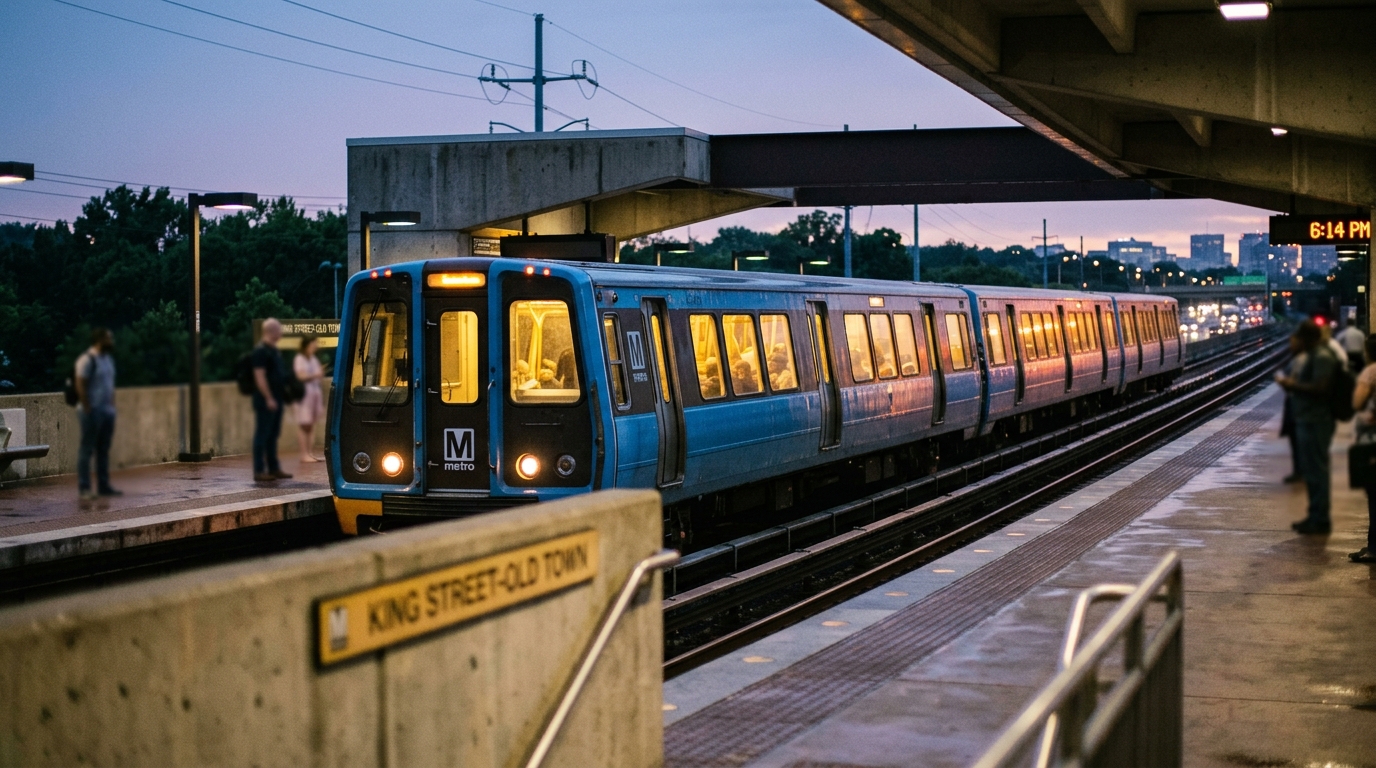
Multiday Amtrak and VRE Service Pause Between DC and Virginia Set for Friday
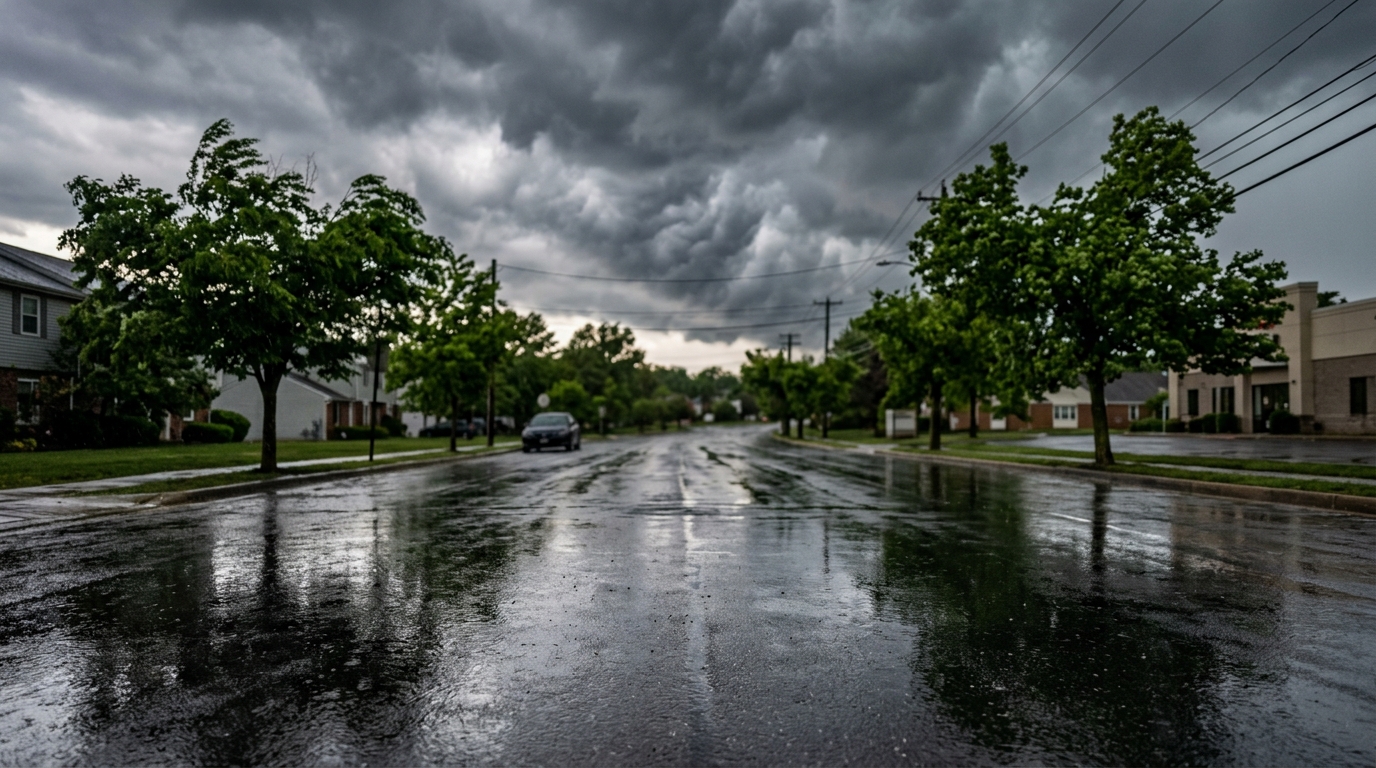
Maryland Braces for Wild Weather Swings: From 85 Degrees to Tornado Threats and a Cold Snap
Maryland is gearing up for a weather rollercoaster this weekend, with temperatures potentially hitting 85 degrees before threats of damaging winds, possible tornadoes, and a sharp cold front sweep through the region. DMV residents in Maryland should prepare for rapid shifts and severe weather.
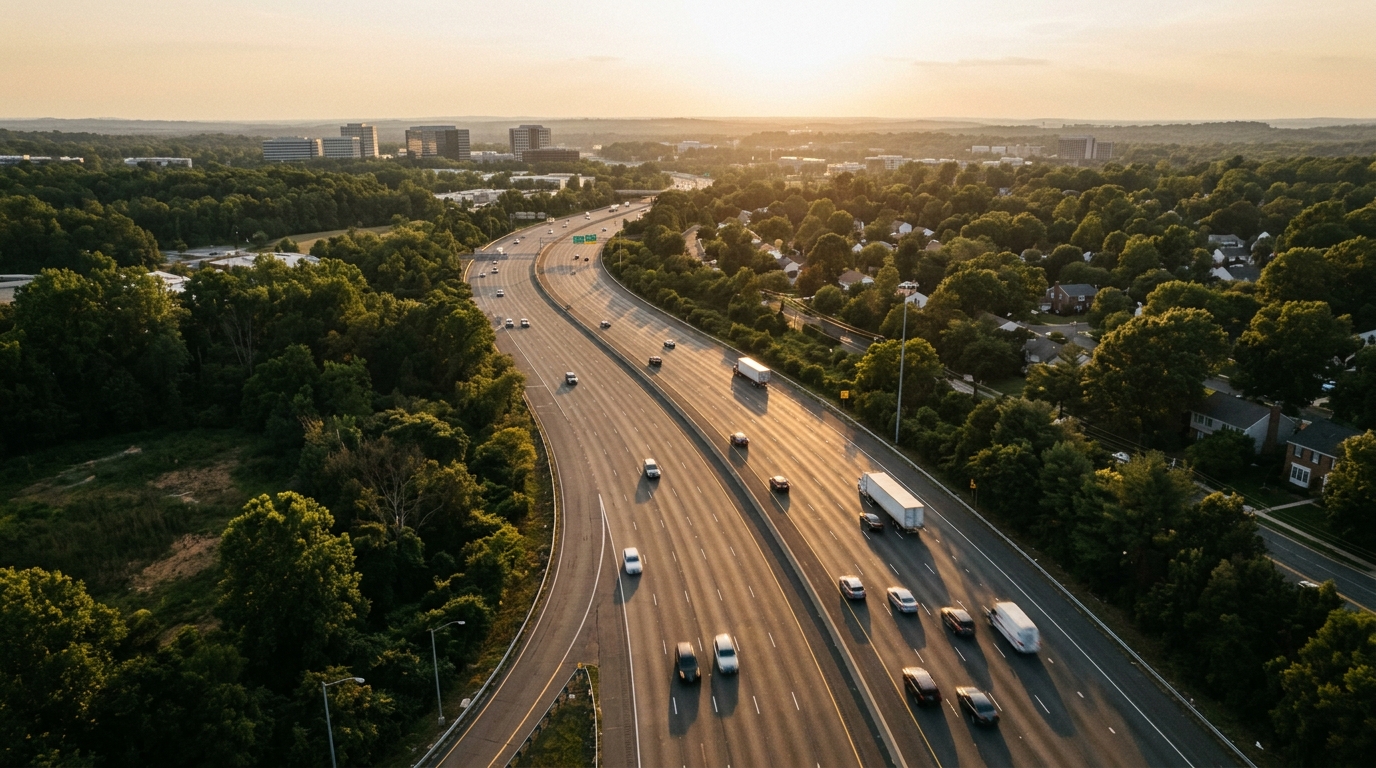
Fairfax County to Cut Speed Limits to 20 MPH on Ten Local Roads
Fairfax County is set to lower speed limits to 20 miles per hour on ten local roads, a move designed to boost safety for pedestrians and residents in neighborhood areas. This initiative reflects the county's commitment to traffic calming and reducing accident severity.