Metro CEO Calls Out Northern Virginia Leaders Over Inconsistent Bus Fare Policies
Share this article
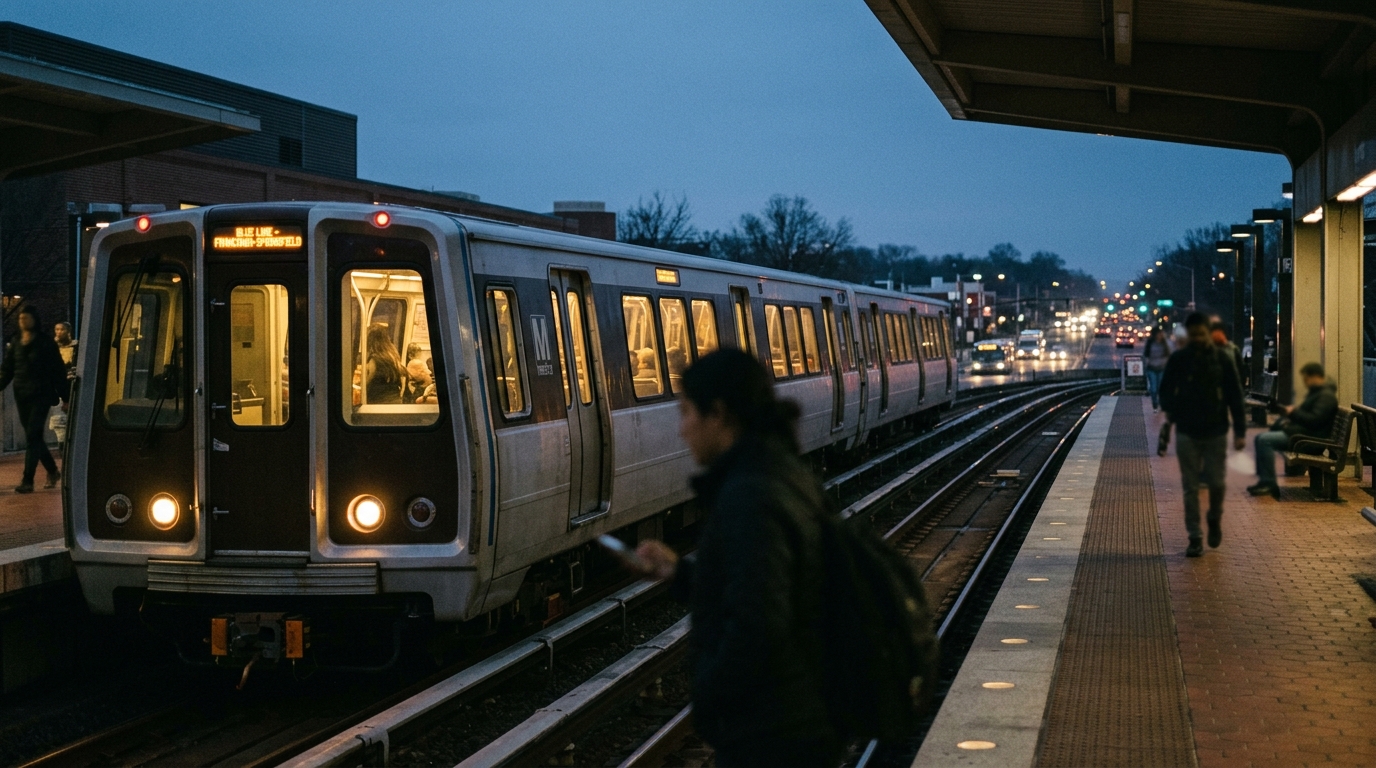
Arlington, VA – Washington Metropolitan Area Transit Authority (WMATA) CEO Randy Clarke is sounding the alarm over what he describes as a confusing patchwork of bus fare policies and enforcement practices across Northern Virginia, creating a frustrating experience for riders and hindering the transit agency's efforts to operate efficiently.
Clarke, speaking at a recent forum, highlighted the lack of uniformity among different transit providers and jurisdictions in the region as a significant hurdle. This inconsistency, he argues, leads to rider confusion and can deter people from using public transportation.
A Patchwork of Fares and Enforcement
The core of the issue, as outlined by Clarke, lies in the differing approaches to fare collection and the subsequent enforcement of those fares. While WMATA operates its own bus services, it also coordinates with local transit agencies in Northern Virginia, including Fairfax County’s Fairfax Connector and Arlington County’s ART (Arlington Transit). Each of these systems, along with others in the region, can have its own fare structure, payment methods, and penalties for non-compliance.
"We've got a situation where you can ride a bus in one county and pay a certain fare, and then cross into another county, and the rules change," Clarke stated, according to ARLnow. This lack of standardization creates a ripple effect, making it difficult for regular commuters who may travel across multiple jurisdictions to understand what is expected of them.
The WMATA CEO pointed to specific examples where enforcement strategies differ. For instance, the penalties for not paying a fare or for using an invalid pass can vary significantly. This inconsistency can lead to riders being caught off guard, facing fines or other repercussions that might not apply just a few miles down the road.
Clarke’s remarks underscore a long-standing challenge for regional transit coordination. While WMATA aims for a cohesive system across the District of Columbia, Maryland, and Virginia, the autonomous nature of local and county-level transit authorities means that policies can diverge. This is particularly true for bus services, which often have more localized routes and fare structures compared to the Metrorail system.
Impact on Riders and Transit Operations
The practical implications for Northern Virginia residents are significant. A commuter traveling from Fairfax County into Arlington, for example, might need to navigate different fare payment systems and be aware of distinct rules for fare evasion. This can be particularly burdensome for infrequent riders or tourists who are less familiar with the local transit landscape.
Beyond rider frustration, these inconsistencies can also impact revenue collection and operational efficiency for transit agencies. When fare policies are not uniform, it can create opportunities for fare evasion that are harder to police across jurisdictional lines. Furthermore, managing different fare media and enforcement protocols adds complexity to the overall transit system's administration.
Clarke emphasized that WMATA is committed to working with local leaders to find common ground. The goal, he explained, is to create a more seamless and user-friendly experience for everyone who relies on public transportation in the region. This includes exploring opportunities for greater fare integration and more consistent enforcement strategies.
Sources within WMATA have indicated that discussions are ongoing with officials from Fairfax County and Arlington County, among others, to address these disparities. The aim is to streamline fare policies and enforcement to foster greater rider confidence and encourage increased transit usage. The success of these efforts will depend on the willingness of various local governments and transit authorities to align their strategies with WMATA’s vision for a more unified regional transit network.
The call for consistency from WMATA’s top official serves as a reminder of the complex governance structure of regional transit and the ongoing need for collaboration to ensure effective and equitable public transportation for all residents of Northern Virginia.
📍 Local Resources
For general inquiries about Metro services, including bus fares and schedules across the region.
For specific information on Fairfax County bus routes, fares, and service alerts.
For information regarding Arlington County's ART bus services, including routes and fare policies.
Explore more on this topic
Related Stories

Fairfax County School Rockets Towards New STEM Program
A Fairfax County school is set to launch a new rocket building program, promising to boost STEM education and ignite student passion for science and engineering. While details are scarce, the initiative aligns with the region's focus on innovative learning and preparing students for future tech careers.
Luxury Living in Chesterbrook Estates: A Grand McLean Home Hits the Market
A spacious 6-bedroom, 7.5-bathroom home in McLean's Chesterbrook Estates is set for an open house this Sunday, offering a prime example of luxury living in Northern Virginia.
Arlington Schools Closed, Metro on Weekend Schedule for Indigenous Peoples' Day Monday
Arlington residents can expect changes to their Monday routine as Arlington Public Schools close and Metro shifts to a weekend schedule for the upcoming Indigenous Peoples' Day holiday.