The quiet streets of Northeast D.C. have been on edge recently, as police announced the arrest of two boys, aged 13 and 14, in connection with what authorities describe as an escalating series of home break-ins. The arrests bring a measure of relief, but also raise serious questions about juvenile crime and community safety in the area. Detectives with the Metropolitan Police Department (MPD) have been investigating multiple incidents where homes were forcibly entered, leaving residents feeling vulnerable. The alleged spree, which unfolded over recent weeks, saw the young suspects targeting residences in Northeast neighborhoods, leading to a significant police response and community concern [1].
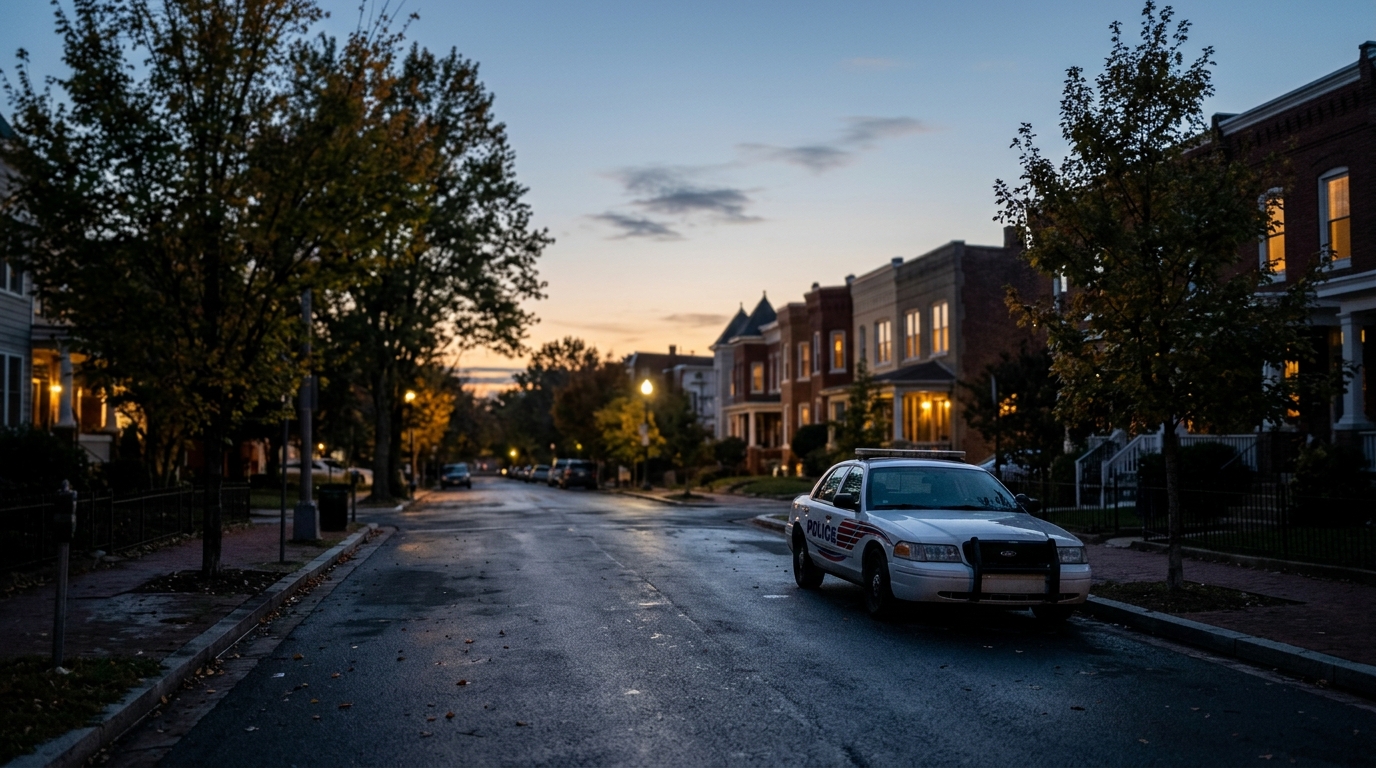
Two boys, aged 13 and 14, have been accused in an escalating series of home break-ins across Northeast D.C.
### Escalating Pattern of Incidents The pattern of alleged break-ins suggested a growing boldness in the suspects' actions. What began as isolated incidents reportedly escalated into a more frequent occurrence, prompting residents to report suspicious activity and increasing calls for police intervention. The MPD has not released specific details on the number of homes affected or the exact timeline of the incidents, but the description points to a concerning trend impacting local homeowners [1]. Northeast D.C. encompasses a diverse range of neighborhoods, from the historic charm of Capitol Hill to the vibrant communities around H Street NE and beyond. News of these arrests has resonated deeply within these areas, where residents often pride themselves on strong community ties and a sense of shared safety. The involvement of such young individuals in these alleged crimes adds a complex layer to the ongoing discussions about crime prevention and youth support in the city. ### Community Impact and Police Response For residents in Northeast D.C., the news of these arrests is a mixed bag of relief and continued apprehension. While the immediate threat from these specific incidents might be mitigated, the underlying issues of property crime and juvenile delinquency remain pressing concerns. Many homeowners are now reviewing their security measures, from reinforcing doors and windows to investing in surveillance systems, underlining the tangible impact these events have on daily life. The Metropolitan Police Department has been actively working to address property crimes across the city. Their efforts involve not just responding to incidents, but also engaging with communities to foster trust and encourage reporting. Residents can find information on crime prevention tips and report suspicious activity directly through MPD's official website. These types of incidents highlight the ongoing challenge facing law enforcement in balancing proactive policing with community-based solutions to crime. ### Understanding Juvenile Justice in D.C. The involvement of individuals as young as 13 and 14 in serious alleged crimes like home break-ins brings the District's juvenile justice system into focus. Unlike adult courts, the juvenile system in D.C. aims to balance accountability with rehabilitation, focusing on the best interests of the child while also ensuring public safety. Cases involving minors are typically handled by the Family Court division of the D.C. Superior Court. When juveniles are accused of crimes, the legal process often involves an assessment of their background, family situation, and educational needs. The goal is to steer young offenders away from a life of crime through interventions, counseling, and educational programs, rather than solely through punitive measures. Information regarding the District's approach to youth services and justice can be found on DC's public safety resources pages, which outline various programs aimed at supporting at-risk youth. ### What This Means for D.C. Residents For residents across Washington, D.C., particularly those in the Northeast, these arrests underscore the importance of community vigilance and collaboration with law enforcement. It's a reminder that while police work to apprehend suspects, active participation from the community, such as reporting suspicious behavior and securing homes, plays a crucial role in maintaining neighborhood safety. Discussions around youth engagement and preventative programs are likely to continue as the city grapples with juvenile crime. Moving forward, residents should stay informed through official channels like the MPD and local advisory neighborhood commissions. The legal process for the accused boys will unfold in the juvenile justice system, which is typically confidential. Community leaders and law enforcement will be watching closely for any trends or patterns that emerge from this case, determining what further steps might be needed to safeguard homes and support the youth of D.C.
📍 Local Resources
Metropolitan Police Department (MPD)
For non-emergency police services, reporting suspicious activity, or general inquiries.