Metro Center Collision Signals Broader WMATA Disruption Challenges
Share this article
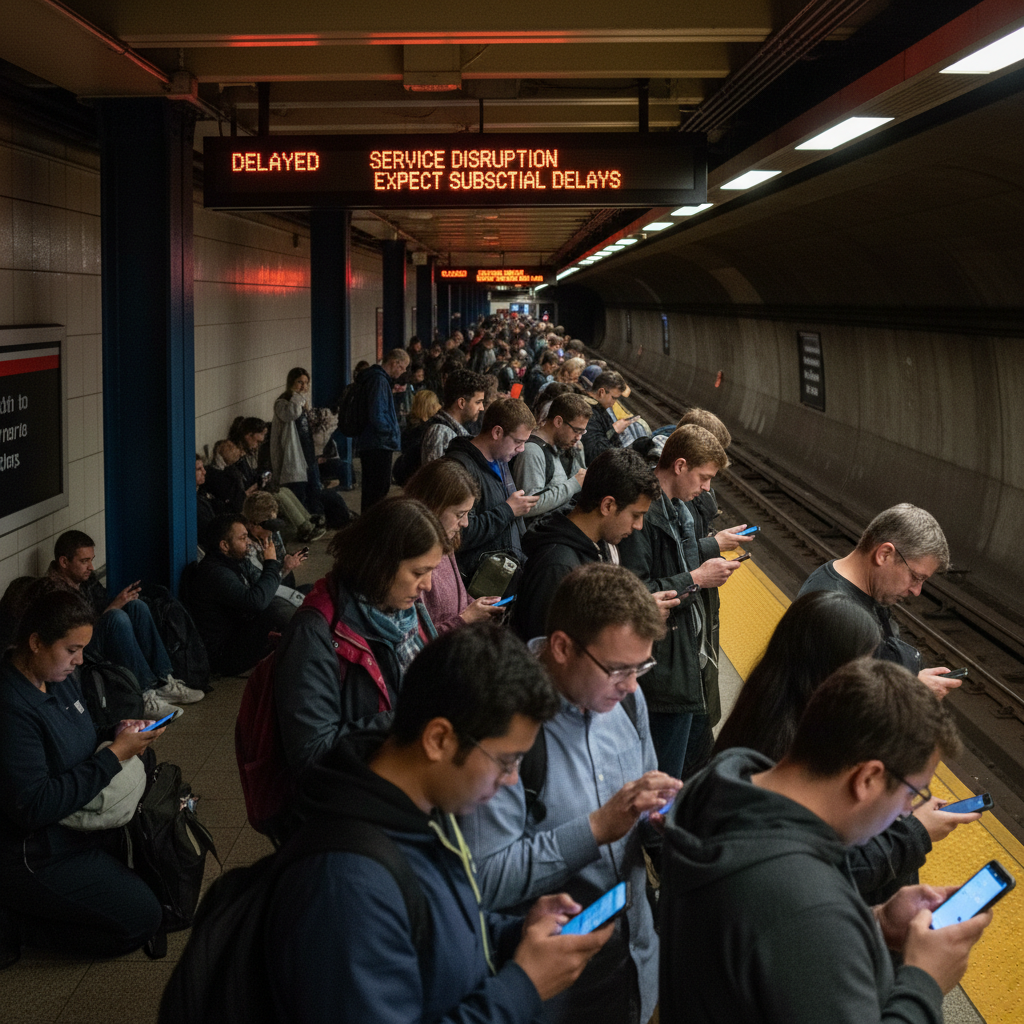
A recent collision at the Metro Center station on a Wednesday has brought into sharp focus the ongoing challenges faced by the Washington Metropolitan Area Transit Authority (WMATA) and the profound impact such incidents have on daily life across the DMV region. While specific details of the collision itself were not provided in the reporting, the resulting disruption served as a potent reminder of the fragility of the transit system and the critical need for operational resilience.
Metro Center, a vital hub in the heart of downtown Washington, D.C., serves as a major transfer point for the Red, Orange, Blue, and Silver lines. Any significant incident at this station inevitably creates ripple effects that extend far beyond its immediate vicinity, snarling commutes for tens of thousands of residents traveling between Maryland, Virginia, and the District.
The Domino Effect of Transit Disruptions
When a major incident occurs, such as a collision, the immediate consequence is often service suspension or severe delays. This forces commuters to seek alternative transportation, overwhelming roads, ride-sharing services, and bus lines. The Wednesday disruption highlighted how quickly a localized event can escalate into a regional transportation crisis, impacting everything from work schedules to medical appointments and school pickups. The reliance of the DMV on its public transit infrastructure means that even a single point of failure can have cascading effects on the entire metropolitan area's functionality.
WMATA's Ongoing Operational Focus
WMATA has been working to enhance safety protocols and improve service reliability across its extensive network. Incidents like the one at Metro Center serve as crucial indicators for the transit authority, prompting reviews of existing procedures and infrastructure. The focus remains on ensuring the safety of passengers and staff, while also minimizing the duration and impact of any service interruptions. Understanding the WMATA strategic plan provides context for these ongoing efforts.
Commuter Resilience and Preparedness
For residents, these disruptions underscore the importance of staying informed and having contingency plans. WMATA provides various tools, including real-time service alerts and social media updates, to help commuters navigate unforeseen events. Checking these resources before heading out can save significant time and frustration. The WMATA service status page is a primary source for up-to-the-minute information.
Local government agencies also play a role in coordinating responses to major transit disruptions. The District Department of Transportation (DDOT), for example, works to manage traffic flow and facilitate alternative transportation options when Metro service is affected. These coordinated efforts are essential in mitigating the broader impact on the region.
Looking Ahead
The Metro Center collision and subsequent disruption on Wednesday offer WMATA and regional stakeholders an opportunity to evaluate current emergency response protocols and communication strategies. While the immediate focus is on restoring full service and investigating the cause of the incident, the long-term goal remains to enhance the overall resilience and safety of the transit system. Continuous investment in infrastructure, technology, and staff training is paramount to ensuring that the DMV's transportation network can withstand and recover from unexpected challenges.
Commuters are encouraged to remain vigilant and utilize available resources to plan their journeys, especially during periods of potential service variability. The transit authority's commitment to transparency and ongoing improvements will be key to maintaining public trust and ensuring the continued functionality of the region's vital Metro system.
📍 Local Resources
For general inquiries, lost and found, or to report an issue with Metro service.
Real-time updates on Metro train and bus service, delays, and disruptions.
Information on alternative transportation options, including buses, cycling, and traffic management within Washington, D.C.
Explore more on this topic
Related Stories
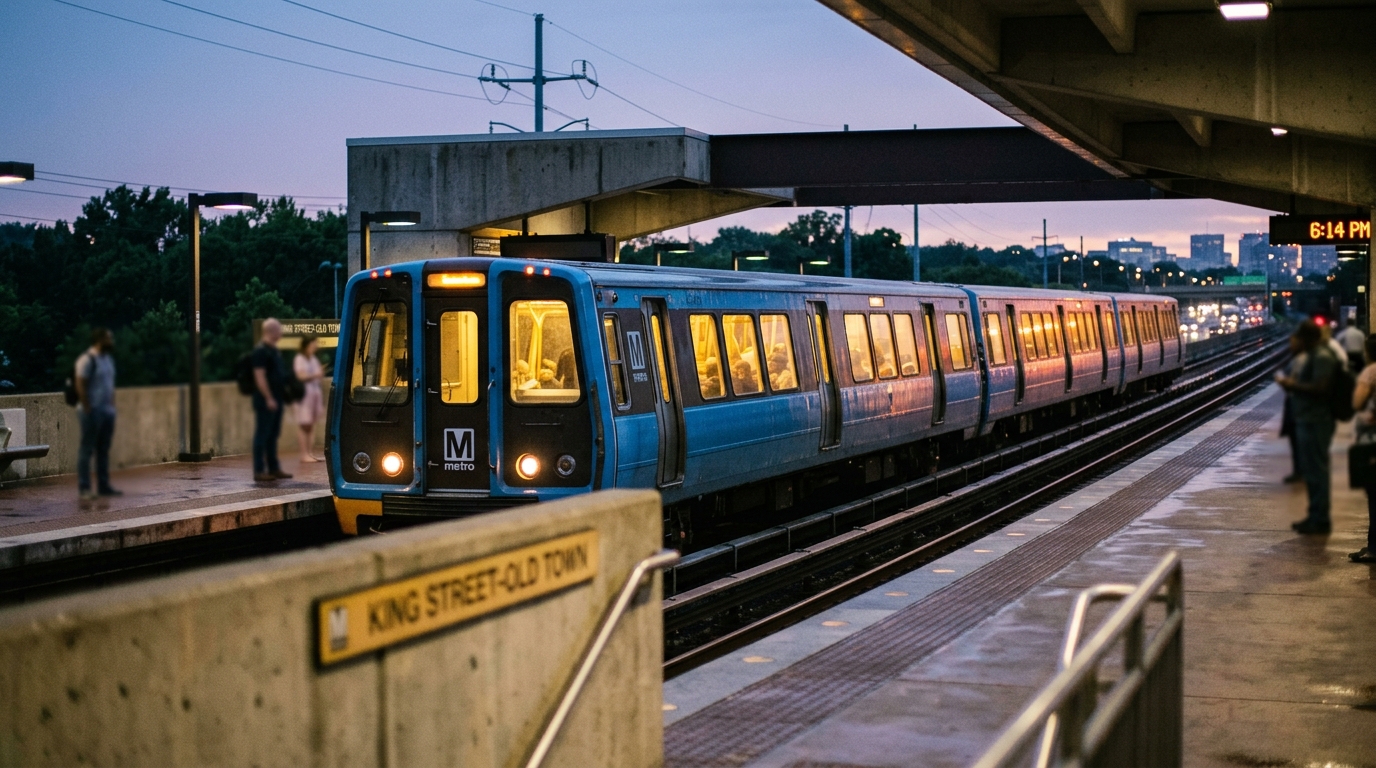
Multiday Amtrak and VRE Service Pause Between DC and Virginia Set for Friday
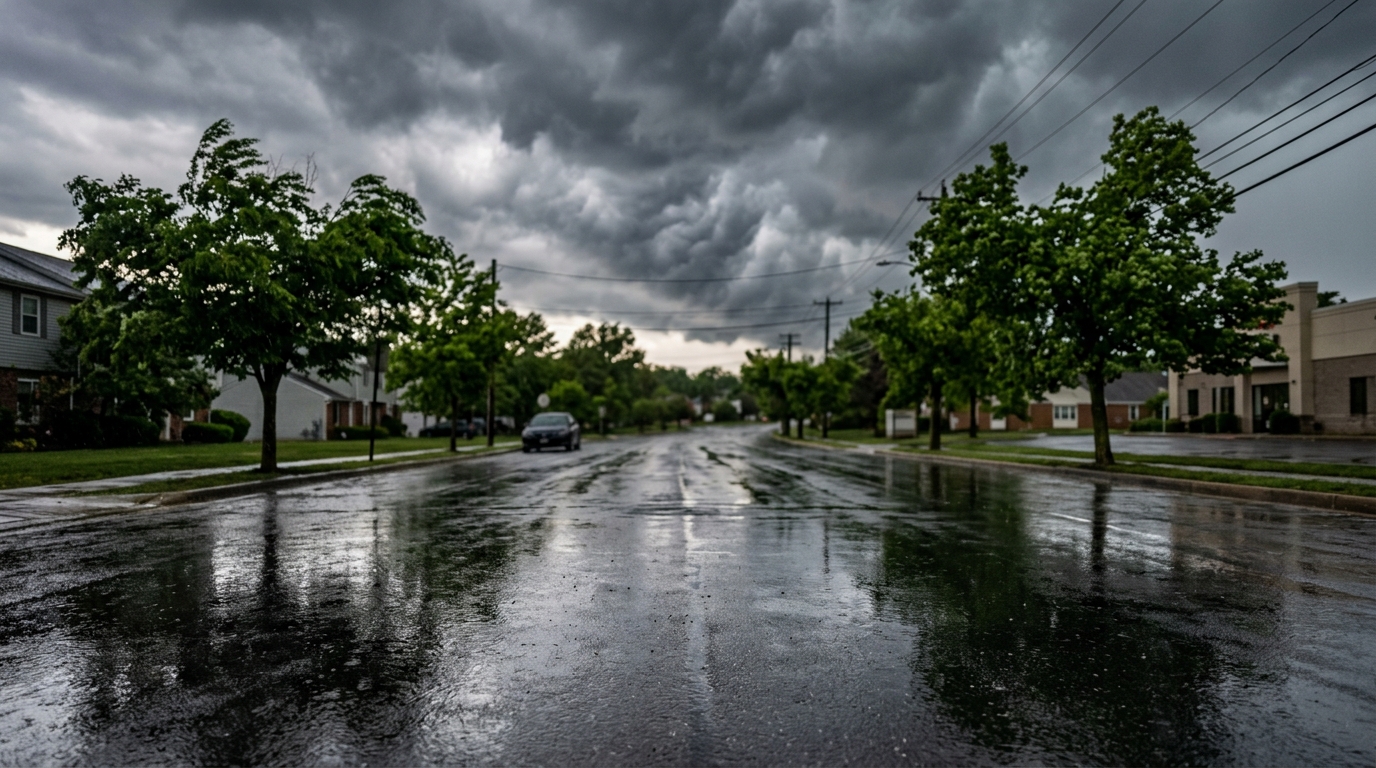
Maryland Braces for Wild Weather Swings: From 85 Degrees to Tornado Threats and a Cold Snap
Maryland is gearing up for a weather rollercoaster this weekend, with temperatures potentially hitting 85 degrees before threats of damaging winds, possible tornadoes, and a sharp cold front sweep through the region. DMV residents in Maryland should prepare for rapid shifts and severe weather.
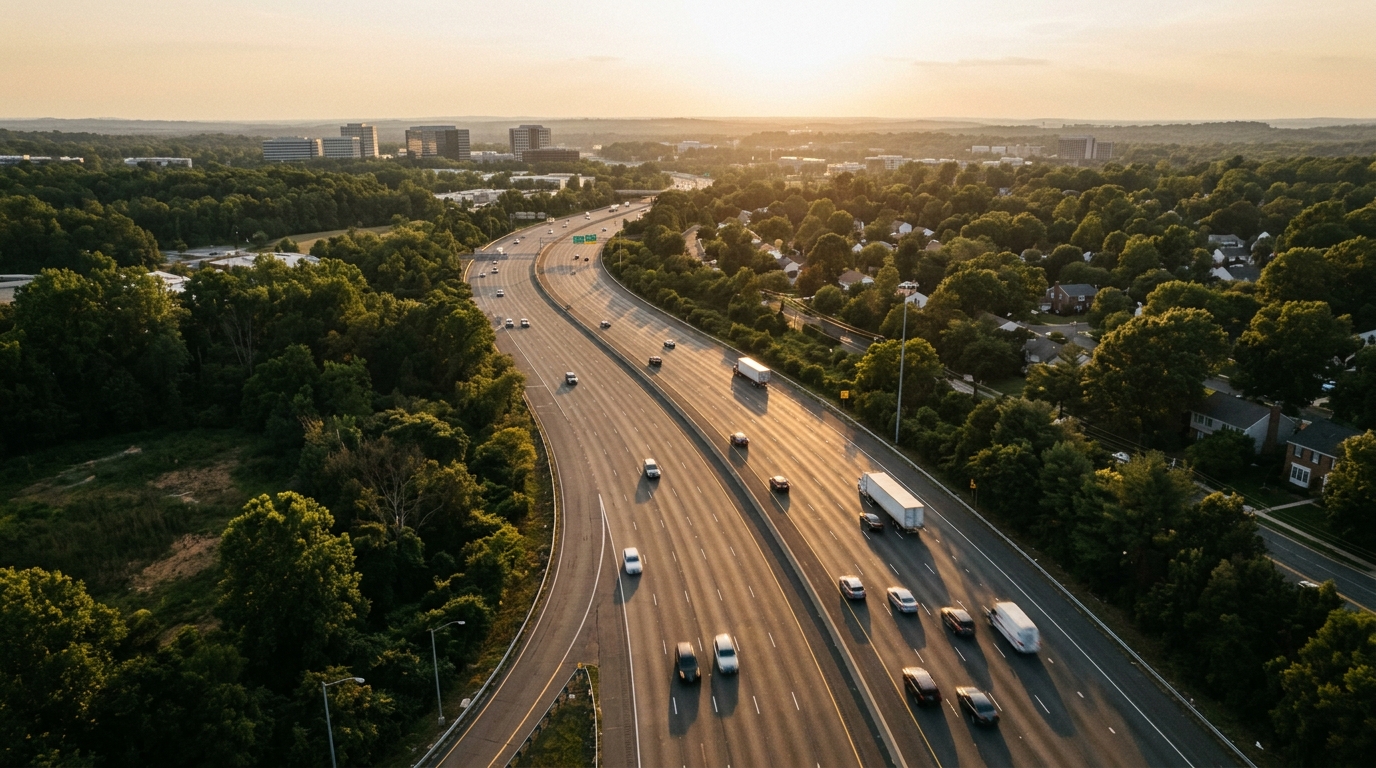
Fairfax County to Cut Speed Limits to 20 MPH on Ten Local Roads
Fairfax County is set to lower speed limits to 20 miles per hour on ten local roads, a move designed to boost safety for pedestrians and residents in neighborhood areas. This initiative reflects the county's commitment to traffic calming and reducing accident severity.