Metro Bus Fire Sends Smoke Through Washington DC Tunnel, Disrupting Commutes
Share this article
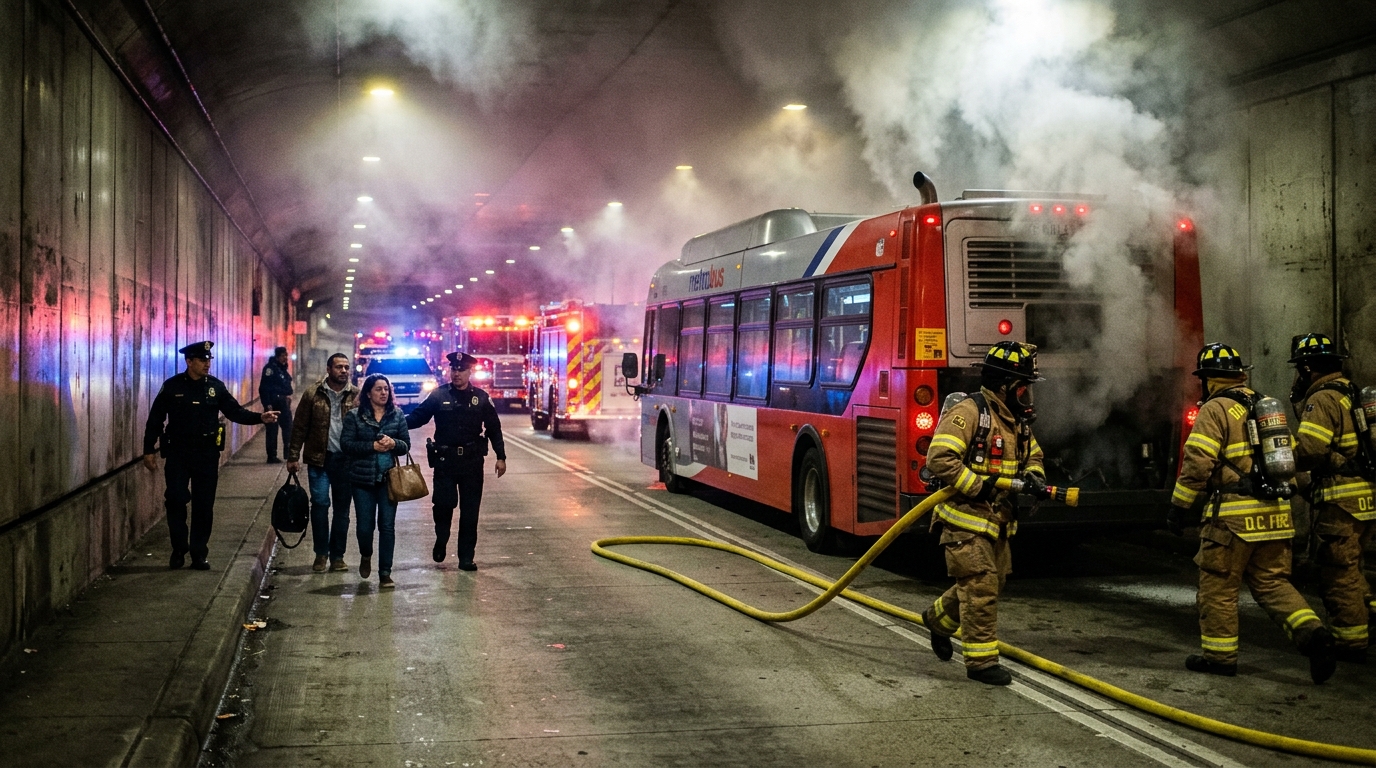
Commuters in Washington D.C. faced disruptions after a Metro bus caught fire within a city tunnel, filling the subterranean passage with smoke. The incident, reported by asatunews.co.id[1], underscores the significant challenges such events pose for the region’s dense transportation network and emergency services.
While specific details about the tunnel's location or the extent of the fire remain limited from initial reports, any incident involving a Metrobus within D.C.'s extensive tunnel system triggers a swift and coordinated emergency response. These tunnels are vital arteries for both public transit and vehicular traffic, making safety paramount.
Immediate Impact on DC Commutes
A bus fire in a confined space like a tunnel can quickly create a hazardous environment. Smoke can spread rapidly, reducing visibility and posing serious health risks to anyone trapped nearby. This type of incident inevitably leads to significant delays and diversions for Metrobus routes and potentially other traffic in the vicinity.
For thousands of Washingtonians who rely on public transportation daily, such an event isn't just an inconvenience; it can mean missed appointments, late arrivals to work or school, and heightened stress. Metro officials typically issue immediate alerts through their service status updates, advising riders on alternative routes and expected delays.
Emergency Response Protocols
When a fire breaks out in a D.C. tunnel, the response involves multiple agencies. DC Fire and EMS would be the primary responders, tasked with extinguishing the blaze, ensuring the safety of passengers and personnel, and ventilating the tunnel. Their specialized units are trained for confined space operations and hazardous material incidents, which are often a concern in vehicle fires.
The Washington Metropolitan Area Transit Authority (WMATA) also plays a critical role, coordinating with emergency services to manage bus and rail operations, reroute services, and communicate with the public. They would also initiate an investigation into the cause of the fire, which could range from mechanical failure to other unforeseen circumstances.
Tunnel Safety and Infrastructure
D.C.'s infrastructure includes numerous tunnels for both its Metrorail system and major roadways like I-395. These tunnels are equipped with fire suppression systems, ventilation fans, and emergency exits designed to mitigate risks in case of an incident. Regular maintenance and safety drills are crucial to ensure these systems function correctly when needed.
While bus fires are relatively rare, they serve as a stark reminder of the complexities of managing a large urban transit system. Authorities continuously review and update safety protocols based on such events to protect commuters and emergency responders alike. The priority following such an incident is not only to clear the scene but also to conduct a thorough investigation to prevent future occurrences.
Residents should always stay informed during transportation emergencies. Keeping an eye on local news, traffic alerts, and official agency updates can help navigate disruptions safely and efficiently. The full extent of the impact from this particular bus fire, and any subsequent investigations, will be crucial for understanding what happened and how to prepare for similar events.
📍 Local Resources
For real-time Metrobus and Metrorail service alerts, trip planning assistance, and customer feedback.
For general inquiries regarding fire safety or public education, not for reporting emergencies.
Provides guidance and resources for preparing for and responding to various emergencies in D.C.
Explore more on this topic
Related Stories
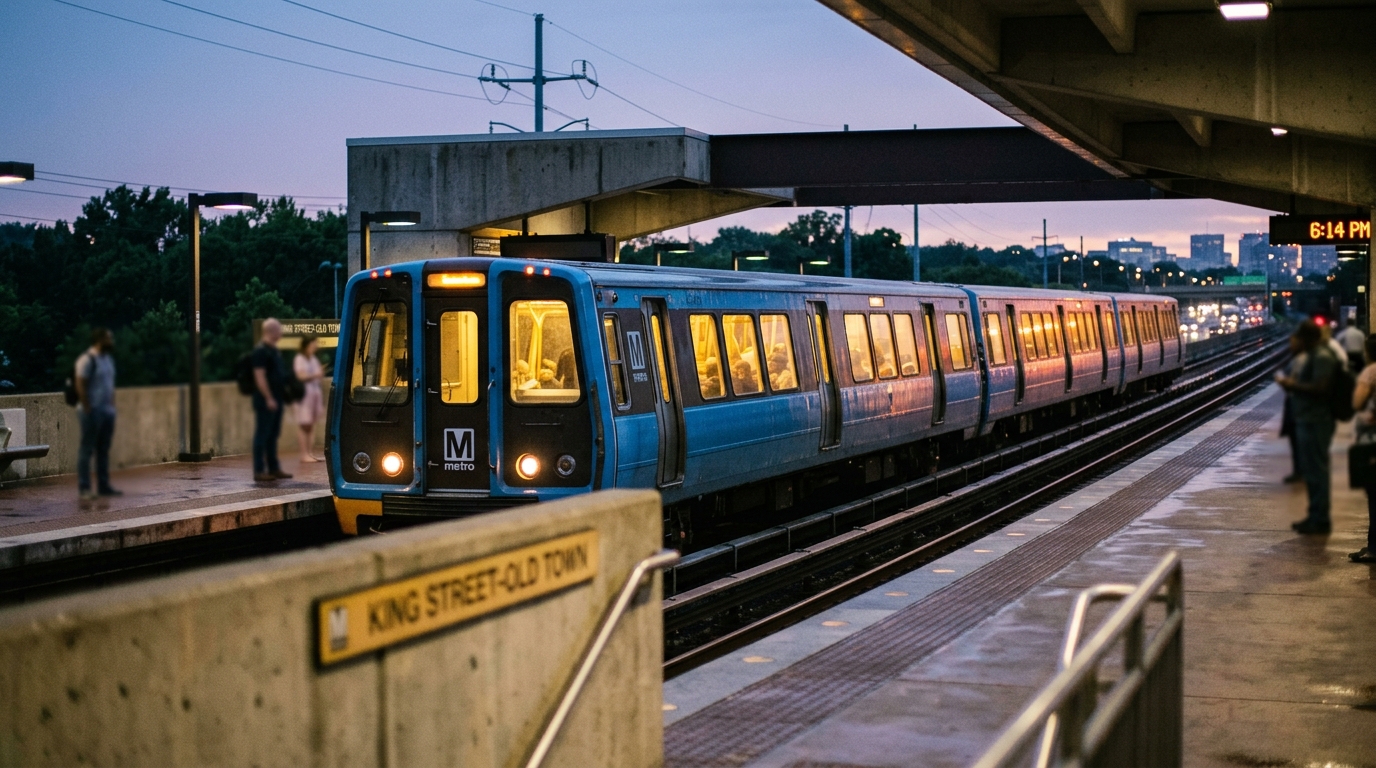
Multiday Amtrak and VRE Service Pause Between DC and Virginia Set for Friday
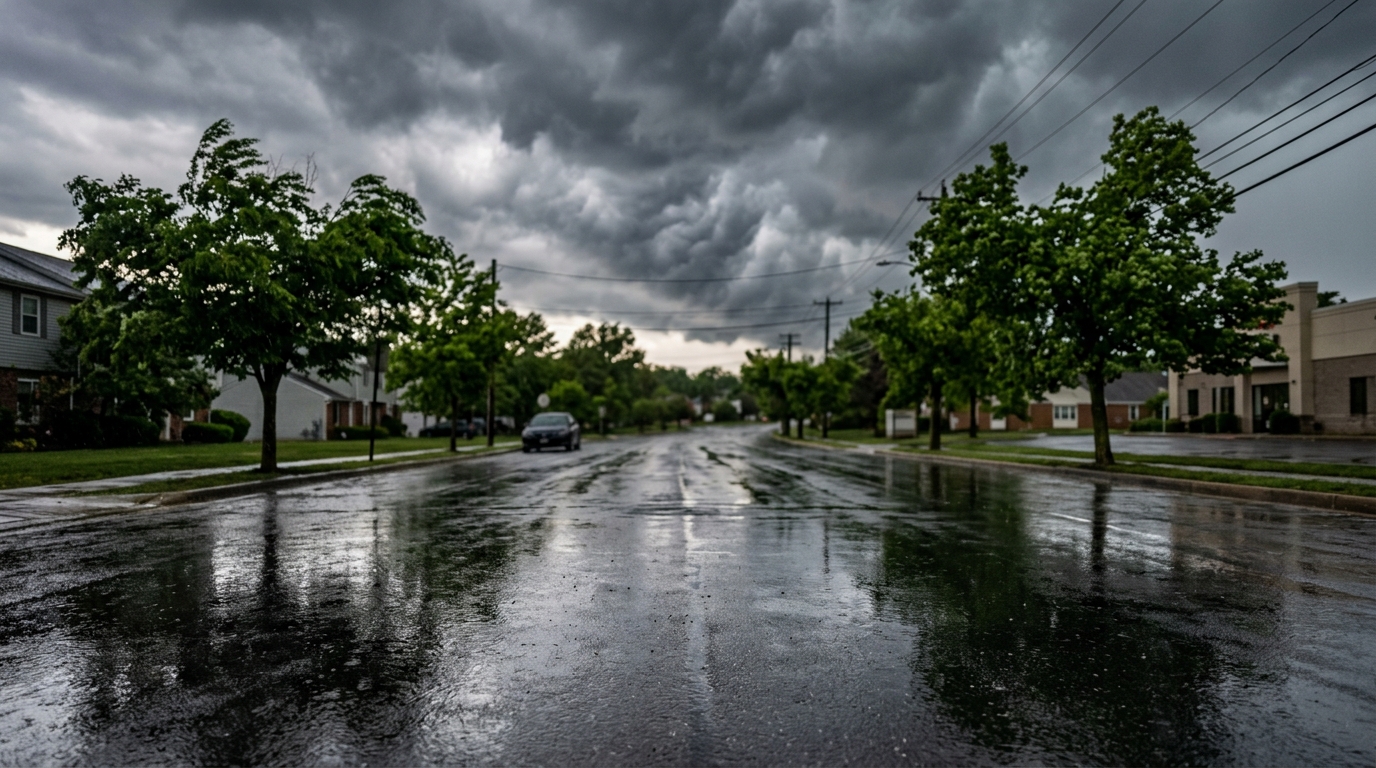
Maryland Braces for Wild Weather Swings: From 85 Degrees to Tornado Threats and a Cold Snap
Maryland is gearing up for a weather rollercoaster this weekend, with temperatures potentially hitting 85 degrees before threats of damaging winds, possible tornadoes, and a sharp cold front sweep through the region. DMV residents in Maryland should prepare for rapid shifts and severe weather.
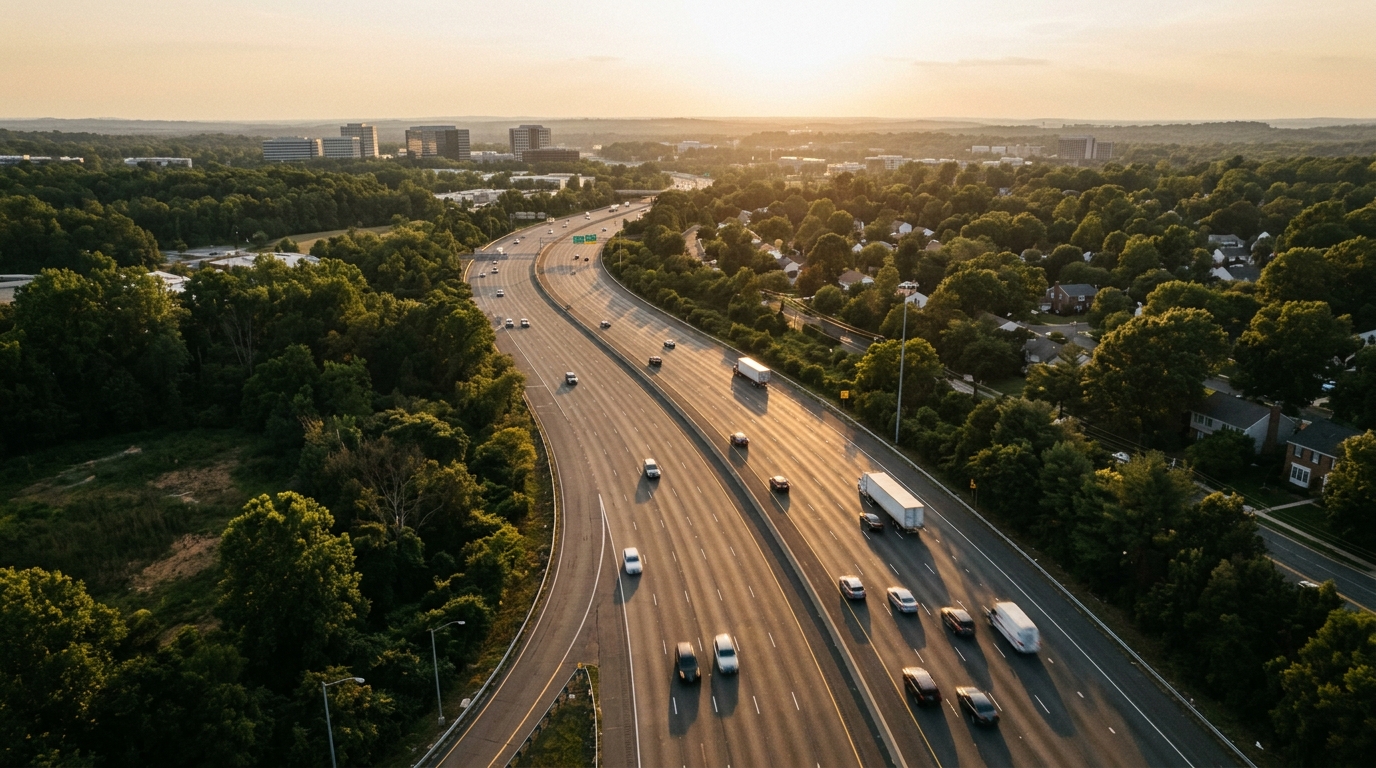
Fairfax County to Cut Speed Limits to 20 MPH on Ten Local Roads
Fairfax County is set to lower speed limits to 20 miles per hour on ten local roads, a move designed to boost safety for pedestrians and residents in neighborhood areas. This initiative reflects the county's commitment to traffic calming and reducing accident severity.