Judge Rules Fired Prosecutor Maurene Comey's Lawsuit Moves Forward in D.C. Federal Court
Share this article
Understanding Federal Jurisdiction
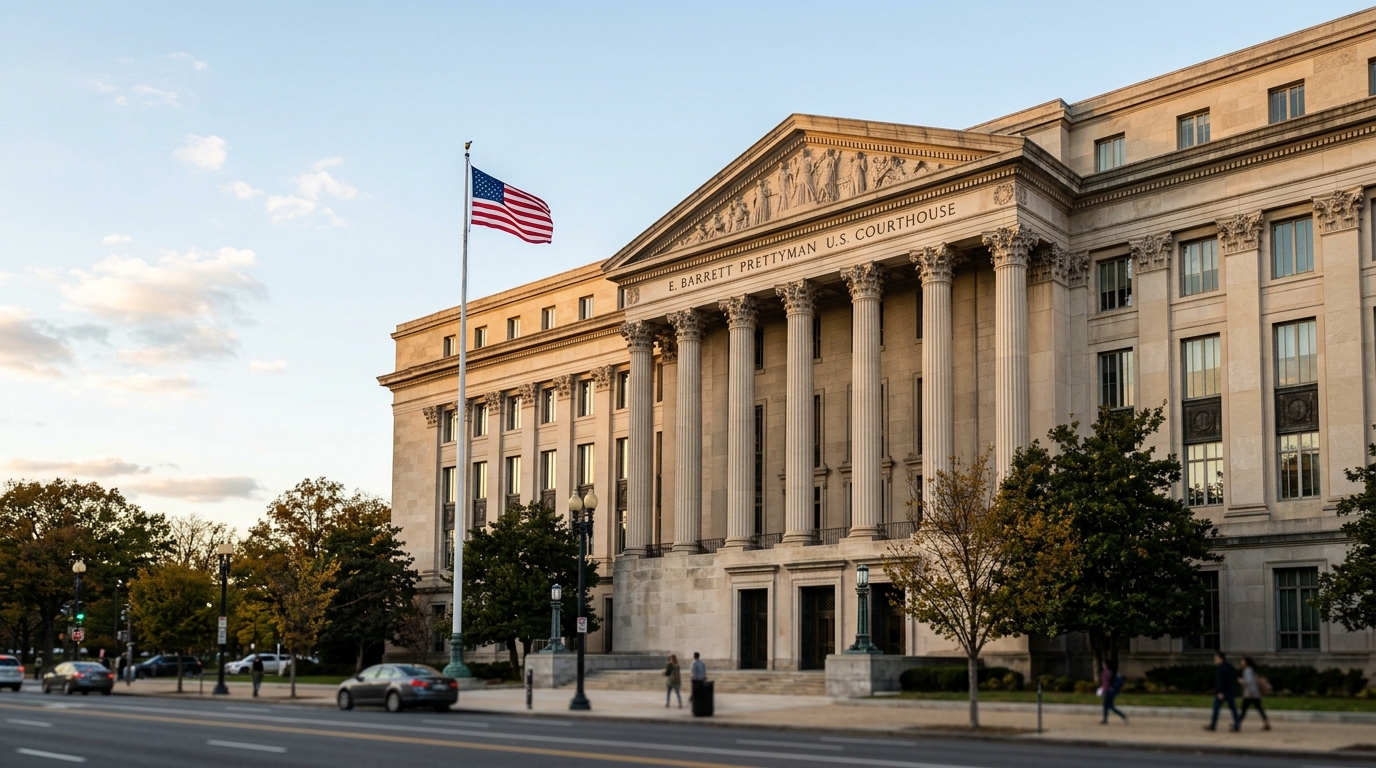
The core of this recent ruling revolves around the concept of federal jurisdiction. Simply put, not all legal disputes can be heard in federal court; they must involve specific types of cases outlined by the U.S. Constitution and federal statutes. These often include cases involving federal law, the U.S. government, or disputes between citizens of different states. In Comey's situation, as a former federal prosecutor, her employment dispute likely touches on federal statutes and regulations concerning federal employees, thus falling under the purview of the federal judiciary.What This Means for the Case
With the case firmly rooted in federal court, the legal process will now follow federal rules of civil procedure. This typically involves discovery, where both sides exchange information and evidence, followed by potential motions to dismiss or for summary judgment. If the case is not resolved through these preliminary stages, it could eventually proceed to a trial before a federal judge or jury. For Maurene Comey, this ruling provides clarity and a defined legal arena to present her arguments regarding her termination. Employment lawsuits, particularly those involving federal employees, can be intricate, often delving into specific regulations and policies that govern government service. The decision to keep the case in federal court suggests that the judge found sufficient federal questions or parties involved to warrant its continuation there. The legal system, particularly at the federal level, plays a critical role in upholding the rights of individuals and ensuring accountability within government institutions. The United States federal courts handle a vast array of cases, from criminal matters to civil disputes, like Comey's, which can have significant implications for the individuals involved and the broader legal landscape.Looking Ahead for DMV Residents
This development is more than just a procedural detail; it's a step forward in a case that could shed light on the inner workings of federal employment and disciplinary actions. Residents across the DMV, many of whom are federal employees or work closely with federal agencies, will likely watch closely as this lawsuit progresses through the U.S. District Court for the District of Columbia. The outcome could set precedents or at least offer insights into how similar employment disputes are handled within the federal government. What happens next in Maurene Comey's lawsuit will largely depend on the legal strategies of both parties. We'll be keeping an eye on the court filings and any further developments from the D.C. federal court as this case unfolds.Explore more on this topic
Related Stories

Fairfax County Public Schools' Federal Funding Lawsuit Revived by Appeals Court
An appeals court has revived Fairfax County Public Schools' lawsuit against the U.S. Department of Education, challenging the withholding of federal funds over the district's policies supporting transgender students. This decision sends the case back to a lower court, marking a critical step for FCPS in its fight to restore millions in federal aid.
Federal Judge Rejects Maryland Attorney General's Bid for ICE Records on Baltimore Facility
A federal judge has rejected the Maryland Attorney General's bid to obtain records from an ICE detention facility in Baltimore, marking a setback for state-level transparency efforts into federal immigration operations within Maryland.
D.C. Council Member Trayon White Seeks Acquittal in Federal Bribery Case After Mistrial
A federal judge will decide whether to acquit D.C. Council member Trayon White in his bribery case after a mistrial, or allow prosecutors to pursue a retrial. The Ward 8 representative's legal team argues for dismissal, while prosecutors point to recorded evidence.