Maryland's Top Court to Weigh Legality of Subpoena in Baltimore Lawyer's Discipline Case
Share this article

What's Happening in Annapolis
The Maryland Supreme Court, which serves as the final arbiter of state law, will soon convene to hear detailed arguments regarding the subpoena [1]. Baltimore lawyer J. Wyndal Gordon has challenged the legitimacy of a subpoena issued by the Attorney Grievance Commission, the body tasked with investigating and prosecuting attorney misconduct in Maryland. Gordon's legal team aims to have the subpoena invalidated, raising questions about its proper application within a lawyer discipline case. The court's decision here won't just impact Gordon; it's poised to influence countless future interactions between the commission and attorneys across the state.The Role of Attorney Discipline
The Attorney Grievance Commission plays a vital role in maintaining the integrity of Maryland's legal profession. It's the mechanism through which complaints against attorneys are investigated, and if warranted, disciplinary actions are pursued. Their power to issue subpoenas is a fundamental tool for gathering evidence, interviewing witnesses, and obtaining documents necessary to determine if a lawyer has violated the Maryland Rules of Professional Conduct. Without effective investigative powers, the commission's ability to ensure ethical practice would be severely hampered.Why This Challenge Matters
Gordon's attempt to quash the subpoena isn't just a procedural hurdle; it represents a direct challenge to the commission's authority and, potentially, the due process rights afforded to attorneys under investigation. When a lawyer seeks to quash a subpoena, they are essentially arguing that it is legally invalid for reasons such as being overly broad, unduly burdensome, or lacking proper legal grounds. The Supreme Court's review means they will be scrutinizing the legal basis for the subpoena and the commission's power to issue it in this specific context [1]. This case could establish important precedents, defining the scope of the commission's investigative reach and setting new standards for how attorneys can challenge such demands. A ruling in Gordon's favor could lead to stricter requirements for future subpoenas, while a decision upholding the subpoena could reinforce the commission's existing powers. This delicate balance between robust oversight and protecting individual rights is precisely what Maryland's highest court will be carefully considering.Implications for Maryland's Legal Landscape
The outcome of these oral arguments, and the subsequent ruling by the Maryland Supreme Court, will resonate throughout the state's legal community. It could influence how the Attorney Grievance Commission conducts its investigations, potentially altering its approach to evidence gathering and case building. For attorneys, understanding the parameters set by this case will be crucial for navigating their professional responsibilities and any potential disciplinary proceedings. The ruling will undoubtedly be closely watched by legal ethics scholars, bar associations, and individual practitioners alike. Looking ahead, DMV residents, especially those who work in or interact with the legal system in Maryland, should keep an eye on developments from the Maryland Supreme Court. The court's decision could have lasting effects on the transparency and fairness of attorney discipline, shaping public trust in the legal profession for years to come. Updates on the oral arguments and the final ruling will be made available through the Maryland Judiciary's official channels.Explore more on this topic
Related Stories

Fairfax County Public Schools' Federal Funding Lawsuit Revived by Appeals Court
An appeals court has revived Fairfax County Public Schools' lawsuit against the U.S. Department of Education, challenging the withholding of federal funds over the district's policies supporting transgender students. This decision sends the case back to a lower court, marking a critical step for FCPS in its fight to restore millions in federal aid.
Federal Judge Rejects Maryland Attorney General's Bid for ICE Records on Baltimore Facility
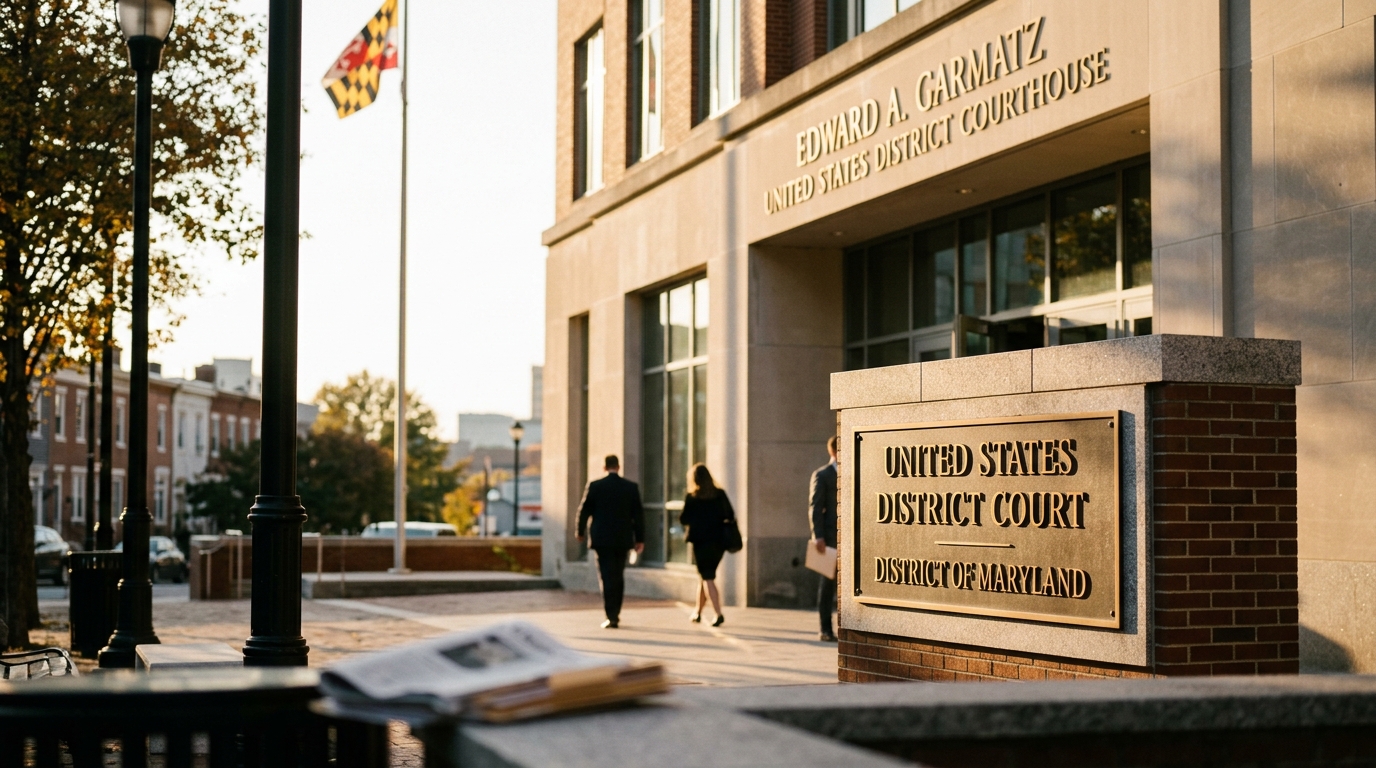
A federal judge has rejected the Maryland Attorney General's bid to obtain records from an ICE detention facility in Baltimore, marking a setback for state-level transparency efforts into federal immigration operations within Maryland.
D.C. Council Member Trayon White Seeks Acquittal in Federal Bribery Case After Mistrial
A federal judge will decide whether to acquit D.C. Council member Trayon White in his bribery case after a mistrial, or allow prosecutors to pursue a retrial. The Ward 8 representative's legal team argues for dismissal, while prosecutors point to recorded evidence.