Maryland's Top Court Limits State's Power to Publicize Unindicted Clergy in Child Sex Abuse Cases
Share this article

What the Ruling Means for Maryland Residents
This ruling establishes a critical legal precedent in Maryland. It means that while investigations into child sex abuse allegations can and will continue, the state's ability to publicly name individuals identified in those investigations is now restricted to those who have been formally indicted by a grand jury. The court's decision underscores the principle of the presumption of innocence, a cornerstone of the American legal system. Without an indictment, an individual has not been formally charged with a crime, and therefore, their name cannot be publicly disclosed by the state in connection with such allegations.Impact on Investigations and Transparency Efforts
The ruling will undoubtedly influence how the Maryland Attorney General's office conducts and communicates about its investigations. While the Attorney General's office has been at the forefront of investigating child sex abuse within religious organizations across the state, this decision places new boundaries on how findings can be shared with the public. It may necessitate a re-evaluation of previous transparency initiatives or reports that included names of unindicted individuals. The court's stance reflects a careful weighing of competing interests: the public's right to know and the state's interest in protecting its most vulnerable citizens, against the individual's right to privacy and the presumption of innocence until proven guilty. This legal battle highlights the complex challenges inherent in addressing historical and ongoing allegations of abuse while adhering to constitutional protections. For more information on the Maryland judiciary and its decisions, residents can visit the Maryland Courts website. This decision could also spark further legislative debate within the Maryland General Assembly regarding how the state can best balance these competing interests moving forward. Lawmakers might explore alternative avenues for transparency that align with the Supreme Court's ruling while still providing information to the public and supporting victims.Looking Ahead for Maryland Communities
For communities across Maryland, from Annapolis to Frederick and down to the Eastern Shore, this ruling means a shift in how information about clergy abuse cases will be disseminated by state authorities. It doesn't halt investigations, nor does it prevent private organizations or media outlets from reporting on allegations, but it specifically limits the state's capacity to publicize names without an indictment. Victims and their families will need to be aware of these legal parameters as they seek justice and accountability. While the state's role in publicizing certain details has been curtailed, other avenues for support, legal recourse, and reporting abuse remain available. The Maryland Attorney General's Office continues to investigate and provide resources for victims of child abuse. This ruling reinforces the critical importance of formal legal processes in identifying and prosecuting those responsible for such heinous crimes, while also protecting the rights of individuals throughout those processes.📍 Local Resources
Report suspected child abuse or neglect in Maryland.
Provides support, advocacy, and resources for survivors of sexual assault across Maryland.
Offers free civil legal services to low-income individuals in Maryland, including potential representation for victims of abuse seeking civil remedies.
Explore more on this topic
Related Stories

Fairfax County Public Schools' Federal Funding Lawsuit Revived by Appeals Court
An appeals court has revived Fairfax County Public Schools' lawsuit against the U.S. Department of Education, challenging the withholding of federal funds over the district's policies supporting transgender students. This decision sends the case back to a lower court, marking a critical step for FCPS in its fight to restore millions in federal aid.
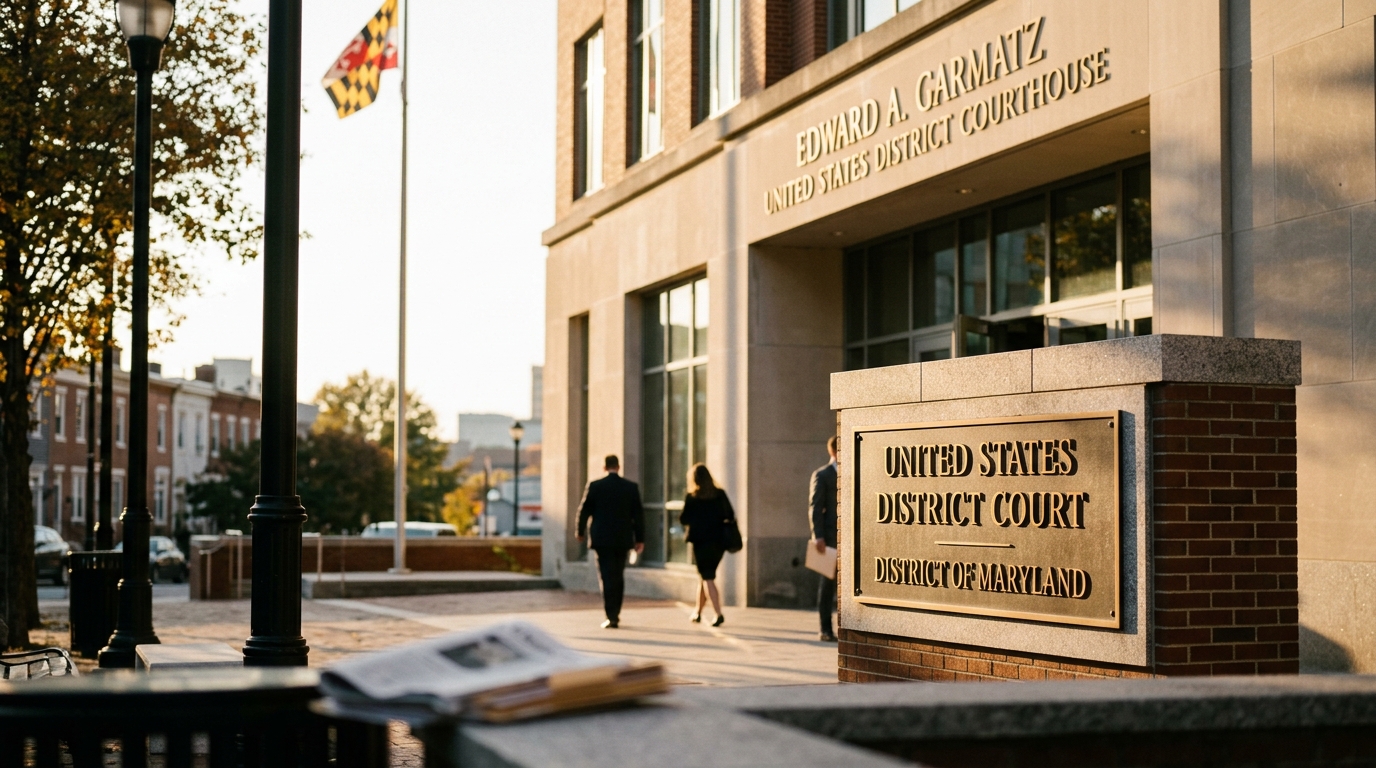
Federal Judge Rejects Maryland Attorney General's Bid for ICE Records on Baltimore Facility
A federal judge has rejected the Maryland Attorney General's bid to obtain records from an ICE detention facility in Baltimore, marking a setback for state-level transparency efforts into federal immigration operations within Maryland.
D.C. Council Member Trayon White Seeks Acquittal in Federal Bribery Case After Mistrial
A federal judge will decide whether to acquit D.C. Council member Trayon White in his bribery case after a mistrial, or allow prosecutors to pursue a retrial. The Ward 8 representative's legal team argues for dismissal, while prosecutors point to recorded evidence.